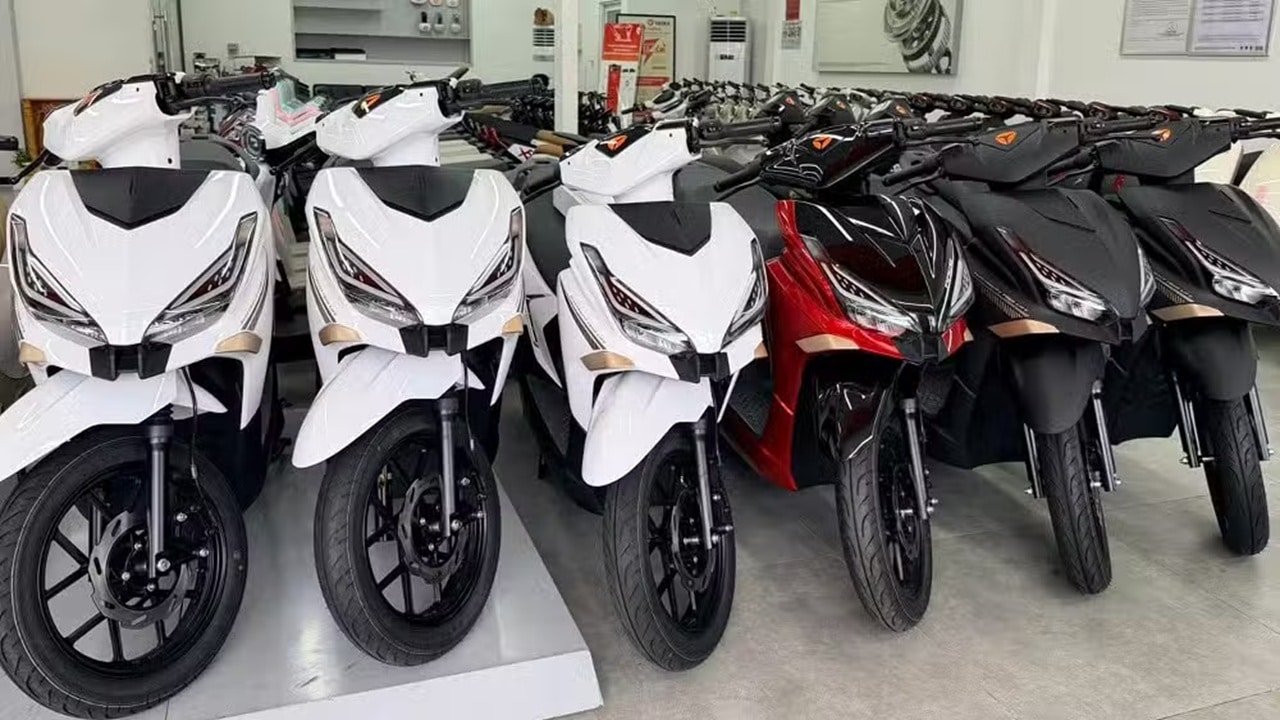
The Punjab government is initiating a structural shift in urban mobility by launching a precision-calibrated e-bike rental service. This strategic project targets Lahore as its primary deployment zone, aiming to integrate sustainable technology into the daily commute of thousands. Consequently, the provincial capital will see a significant reduction in its carbon footprint as the system reaches full operational capacity.
Structural Architecture of the E-Bike Rental Service
During the initial phase, authorities will deploy 10,000 electric bikes across the city. To ensure system efficiency, the government is establishing 300 specialized docking and charging stations. These hubs are strategically positioned to bridge the gap between residential sectors and major public transport arteries. Furthermore, the Punjab Housing Authority is allocating dedicated land to ensure these stations provide maximum geographic coverage.
- Phase One Deployment: 10,000 high-efficiency electric units.
- Infrastructure: 300 docking and charging stations integrated into the city grid.
- Collaborative Oversight: Managed by LePark, the Transport Department, and the Safe City Authority.
Digital Integration and Environmental Impact
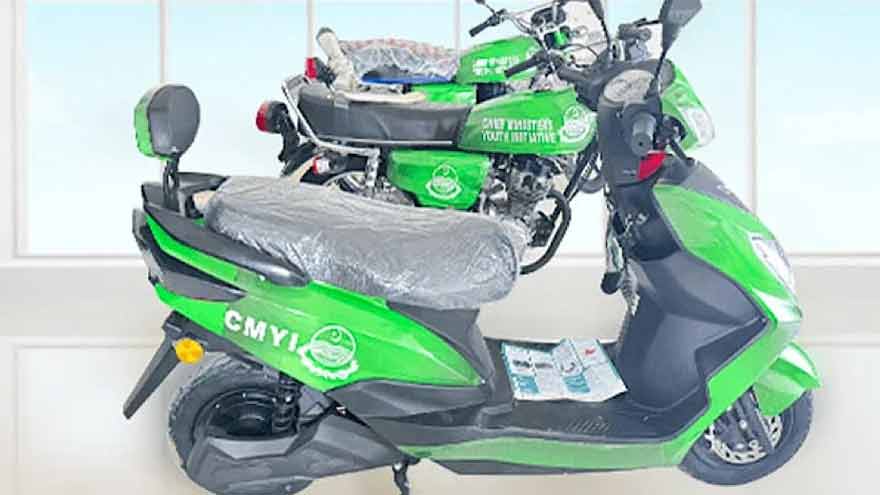
The project utilizes a modern mobile application to facilitate user access, allowing citizens to rent units with digital precision. Punjab Housing Secretary Noorul Amin Mengal emphasized that this initiative will drastically lower fuel dependency and mitigate the seasonal smog crisis. By replacing combustion-engine commutes with electric alternatives, the city expects to eliminate thousands of tonnes of annual carbon emissions.
The Situation Room Analysis
The Translation
This initiative represents more than a transit update; it is the decoupling of urban growth from environmental degradation. By transitioning the e-bike rental service from a concept to a distributed utility, the government is effectively implementing a “Last-Mile” solution. This ensures that the existing public transport infrastructure becomes more accessible and interconnected for the average user.
The Socio-Economic Impact
For the Pakistani citizen, this development serves as a catalyst for economic relief. Students and office workers face rising fuel costs and inefficient transit times; however, this service provides a low-cost, high-reliability alternative. Improved air quality in Lahore will also lead to long-term public health savings, particularly during the hazardous smog season.
The Forward Path
We categorize this development as a Momentum Shift. The scale of the 10,000-unit deployment suggests a move beyond mere stabilization. It signals a forward-thinking commitment to electrified micro-mobility that could serve as a baseline for every major urban center in Pakistan.