Pakistan’s cooling infrastructure is currently undergoing a severe stress test as room cooler prices surge by nearly 40% across major markets. Escalating inflation and rising seasonal temperatures have calibrated the market toward a significantly higher cost baseline. Consequently, consumers are facing a strategic challenge in maintaining domestic climate control. This price hike affects everything from raw components like khus grass to the precision engineering of solar-powered motors.
The Translation: Decoding the Surge in Room Cooler Prices
The logic behind this 40% uptick stems from a convergence of global supply chain disruptions and local currency devaluation. Traders report that a standard room cooler, which sold for Rs. 8,000 just three years ago, has now been recalibrated to a price point between Rs. 14,000 and Rs. 15,000. Furthermore, the peripheral market—including essential khus grass and high-torque water pumps—has mirrored this volatility, creating a catalyst for increased household expenditure.
Current Market Baseline for Cooling Units
- Small Units: Rs. 14,000 – Rs. 15,000 (Previously Rs. 8,000)
- Medium Units: Rs. 18,000 (Previously Rs. 11,000)
- Large/Lahori Units: Rs. 23,000 (Previously Rs. 15,000)
- Premium Branded Models: Rs. 35,000 – Rs. 40,000
The Socio-Economic Impact: Pressure on the Pakistani Household
For the average citizen, this development represents a structural financial hurdle rather than a simple seasonal expense. High room cooler prices mean that basic climate comfort is transitioning from a low-cost utility to a major capital investment. Middle-income families are now forced to utilize installment plans, which often add a Rs. 5,000 premium to the total cost. Moreover, the surge in AC maintenance fees—with gas refilling now costing up to Rs. 10,000—is pushing urban professionals toward these expensive evaporative solutions as the only viable alternative.
The Forward Path: A Momentum Shift in System Efficiency
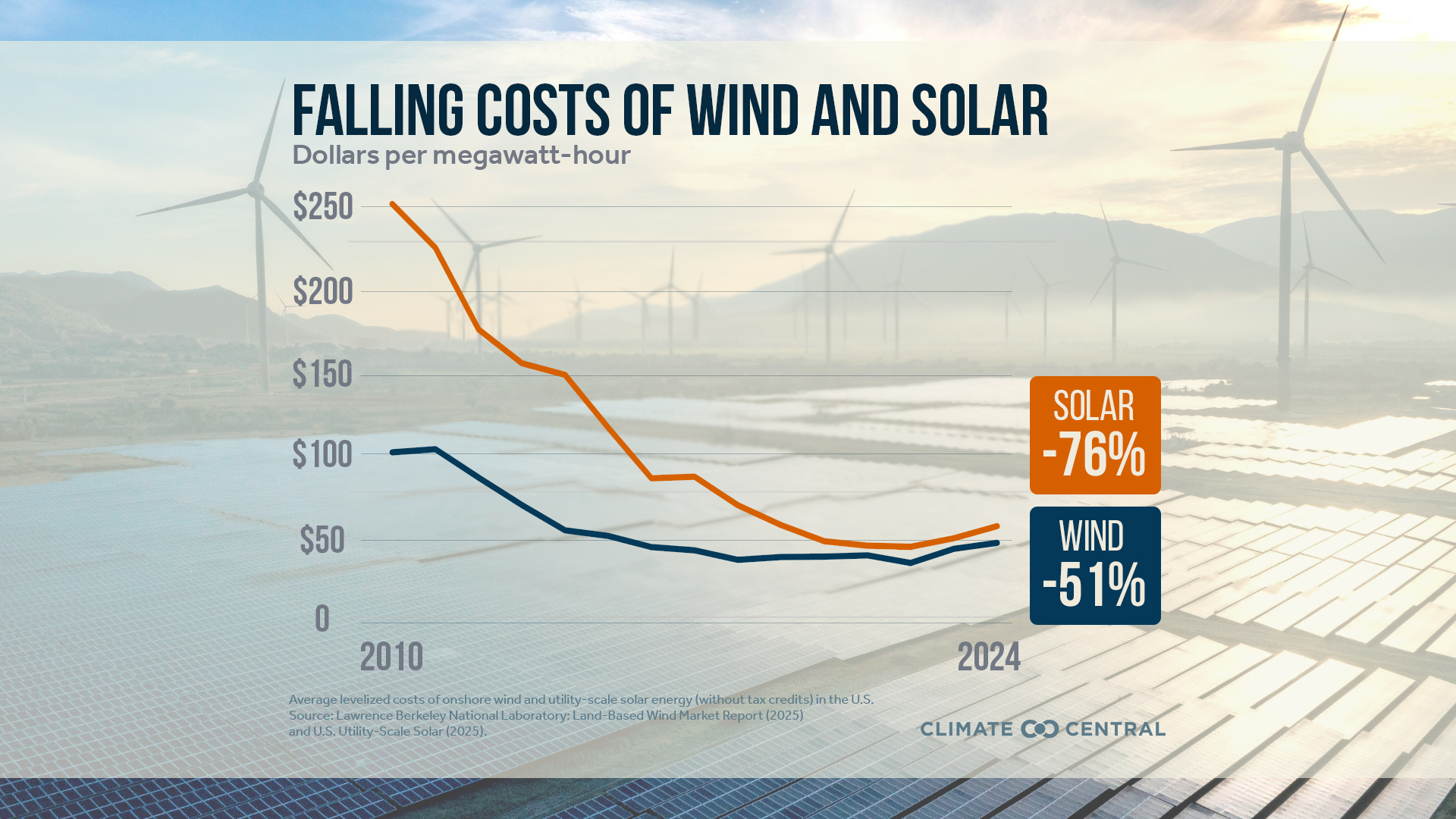
In our structural analysis, this trend signifies a Momentum Shift toward energy-conscious consumerism. While the initial cost burden is substantial, the rising demand for solar-compatible motors (priced at approximately Rs. 2,000) suggests a strategic transition toward renewable energy integration. To stabilize the market, Pakistan must localize the manufacturing of high-performance components. Decoupling local cooling costs from global inflationary cycles is the only way to ensure long-term domestic comfort and system efficiency.