The global energy landscape requires a fundamental recalibration of mineral processing to achieve sustainable scale. MIT researchers recently engineered a transformative lithium extraction method that calibrates chemical reactions to reduce energy waste significantly. This precision-driven approach utilize ammonium fluoride at lower temperatures, potentially dropping the cost of hard rock lithium from $9,000 to $5,000 per tonne. Consequently, this innovation establishes a new baseline for battery affordability and industrial efficiency.
Structural Efficiency in Lithium Sourcing
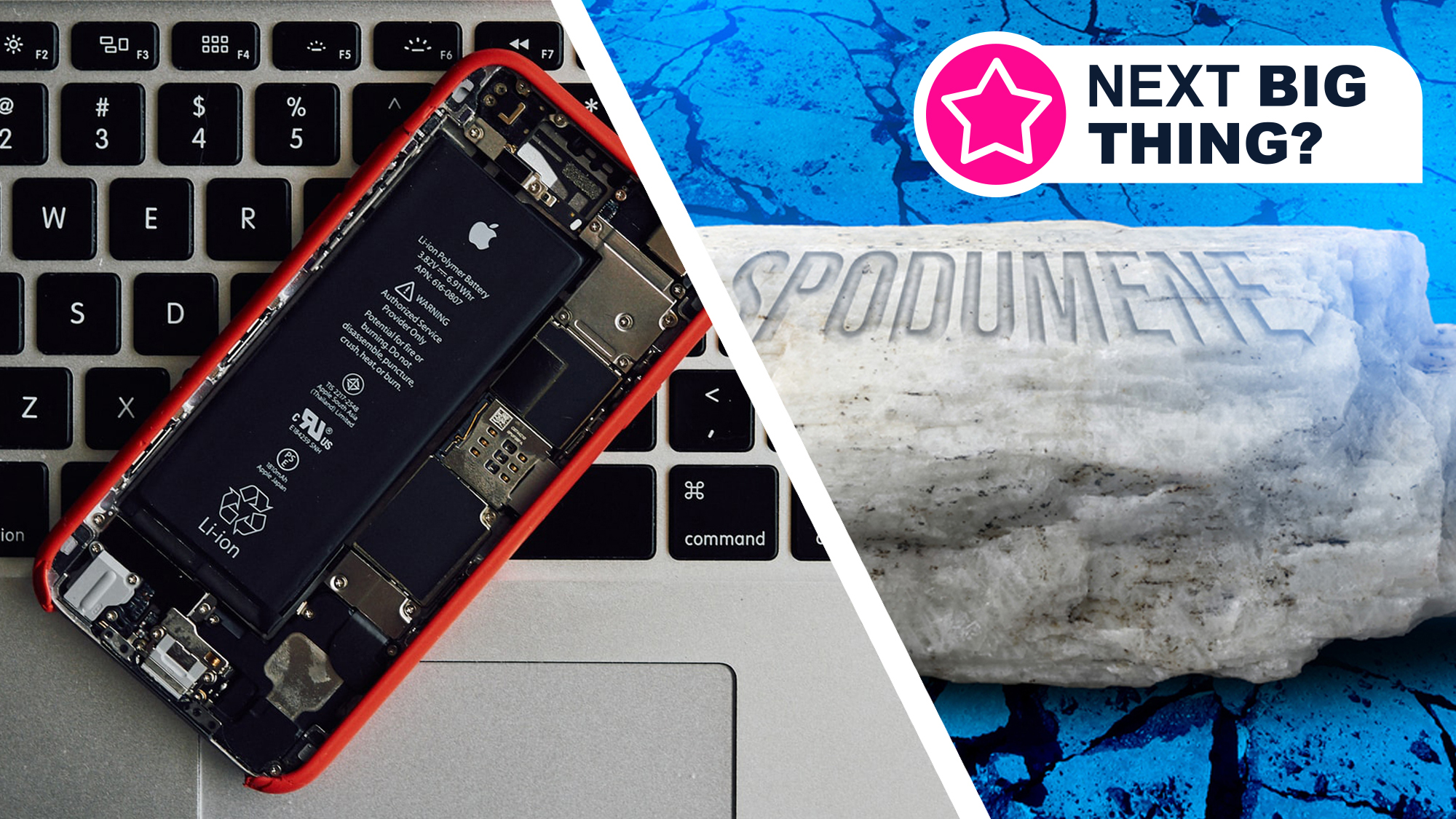
Current lithium-ion batteries dominate the global market due to mature supply chains and massive production scales. However, these systems rely heavily on affordable lithium sourced from brine deposits. While lithium is abundant, low-cost and accessible deposits remain limited. Consequently, the industry remains focused on spodumene, a common lithium-rich hard rock mineral. Traditional processing for this ore is notoriously expensive and environmentally taxing.

Standard extraction requires heating ore to 1,000°C and applying sulfuric acid. This method consumes vast amounts of energy and generates significant sulfur waste. In contrast, the MIT team proposed a low-temperature alternative using an ammonium fluoride solution. By heating the solution to just 70°C, they broke down the spodumene structure effectively. This reaction separates the ore into three distinct strategic streams: lithium, silicon, and aluminum.

The Translation: Engineering Beyond Sulfuric Acid
To understand the logic behind this breakthrough, we must look at the chemical precision involved. Conventional methods use “brute force” heat to crack the rock, whereas this lithium extraction method uses a targeted chemical catalyst. The lithium remains as lithium fluoride, a direct precursor for battery electrolytes. This eliminates several intermediate processing steps, further reducing the industrial footprint. Furthermore, the silicon byproduct converts into silicon dioxide. This material serves as a valuable additive for the construction industry, specifically in concrete production.
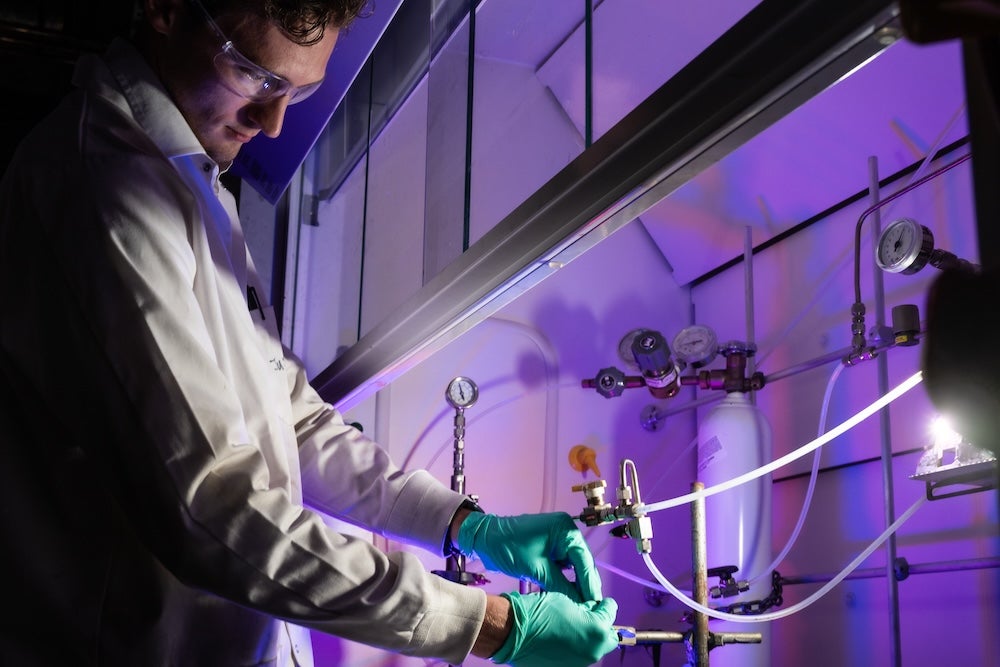
Aluminum processing remains the most energy-intensive phase, requiring stages up to 700°C. However, this method delays high-energy steps until the end of the cycle, optimizing the overall thermal profile. Additionally, the system incorporates chemical recycling. The process captures and reuses ammonia and hydrogen fluoride to recreate the initial ammonium fluoride solution. This closed-loop design minimizes material loss and environmental contamination.
The Socio-Economic Impact: Precision Benefits for Pakistan
How does this development change the daily life of a Pakistani citizen? As a country facing high energy costs and a growing need for storage solutions, the impact is structural. Lower lithium costs translate directly into cheaper solar batteries and more affordable electric motorcycles. For urban households in Karachi or Lahore, this represents a catalyst for energy independence. Furthermore, the use of silicon byproducts in concrete could lower construction costs for national infrastructure projects. This method provides a precision roadmap for sustainable development in emerging economies.
The Forward Path: A Momentum Shift for Energy
In our expert view, this development represents a Momentum Shift. We are moving away from geographic dependency on specific brine lakes and toward a tech-driven mineral strategy. While the final costs depend on ore quality and infrastructure scaling, the shift toward a low-temperature, low-waste lithium extraction method is undeniable. Pakistan must position itself to adopt these precision technologies. By focusing on how minerals are extracted rather than just where they are found, we can accelerate our transition to a high-efficiency digital frontier.