Recent satellite-based analysis reveals a calibrated shift in regional warfare, as Iran reportedly damaged at least 20 US military sites across the Middle East. These findings suggest the scale of destruction significantly exceeds previous public acknowledgments. The precision of these strikes, targeting strategic assets from Saudi Arabia to Iraq, represents a structural challenge to existing defense frameworks and regional stability.
The Translation: Analyzing Precision Warfare
Analyzing the data through a lens of system efficiency, we observe a tactical transition. Tehran has moved from “barrage” methods—using overwhelming numbers to saturate defenses—to “precision” strikes. By focusing on high-value nodes like THAAD batteries and refueling hubs, the adversary maximizes structural damage while minimizing wasted munitions. This shift demonstrates a strategic evolution in ballistic accuracy and intelligence gathering.

The Socio-Economic Impact: Regional Volatility
The implications for Pakistan and the broader region are profound. Escalating costs in regional defense—estimated at $29 billion—often act as a catalyst for global energy price fluctuations and rising shipping insurance rates. For the Pakistani professional or household, this translates to heightened volatility in the domestic economy. Furthermore, the vulnerability of regional fuel infrastructure threatens the baseline stability required for cross-border trade.

Strategic Vulnerabilities in US Military Sites
The analysis identified critical damage to US military sites across eight nations, including the UAE, Jordan, Saudi Arabia, and Iraq. Notable losses include:
- Three THAAD anti-ballistic missile batteries, which are major strategic assets.
- Surveillance and refueling aircraft at Prince Sultan Airbase.
- Satellite communications hardware and fuel bunkers in Kuwait.
- Radars and communications equipment across Oman and Bahrain.
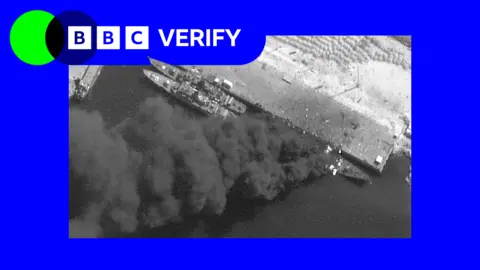
Analysts suggest that this change in tactics has increased the effectiveness of the attacks against difficult-to-replace equipment. At least 42 aircraft, including fighter jets and drones, have reportedly been damaged since February.
The Forward Path: A Momentum Shift
This development represents a clear Momentum Shift in regional power dynamics. The precision evidenced in these strikes indicates that traditional air superiority and static defense batteries are no longer absolute deterrents. For strategic planners, the lesson is clear: national security now requires a baseline of adaptive, distributed systems rather than reliance on localized, high-value assets. We must prioritize architectural resilience in critical infrastructure to mitigate future vulnerabilities.