
The Strategic Pivot to US Cotton Imports
Pakistan’s textile ecosystem is currently recalibrating its supply chain as domestic inventories hit critical depletion levels, forcing a significant surge in US cotton imports. For the second consecutive week, Pakistan secured its position as the primary global buyer, procuring 68,030 bales out of the 112,000 total bales sold by the United States. This structural shift occurs despite a sharp decline in domestic pricing, highlighting a growing dependency on global raw materials to maintain industrial output.
While local prices for cotton and phutti fell sharply during the Eid ul-Adha holidays, the textile sector continues to prioritize international procurement. Specifically, mills are also sourcing heavy volumes from Brazil to compensate for the widening gap in the local market. Consequently, the reliance on high-quality foreign lint has become a baseline requirement for maintaining export-grade standards.
Market Volatility and Internal Friction
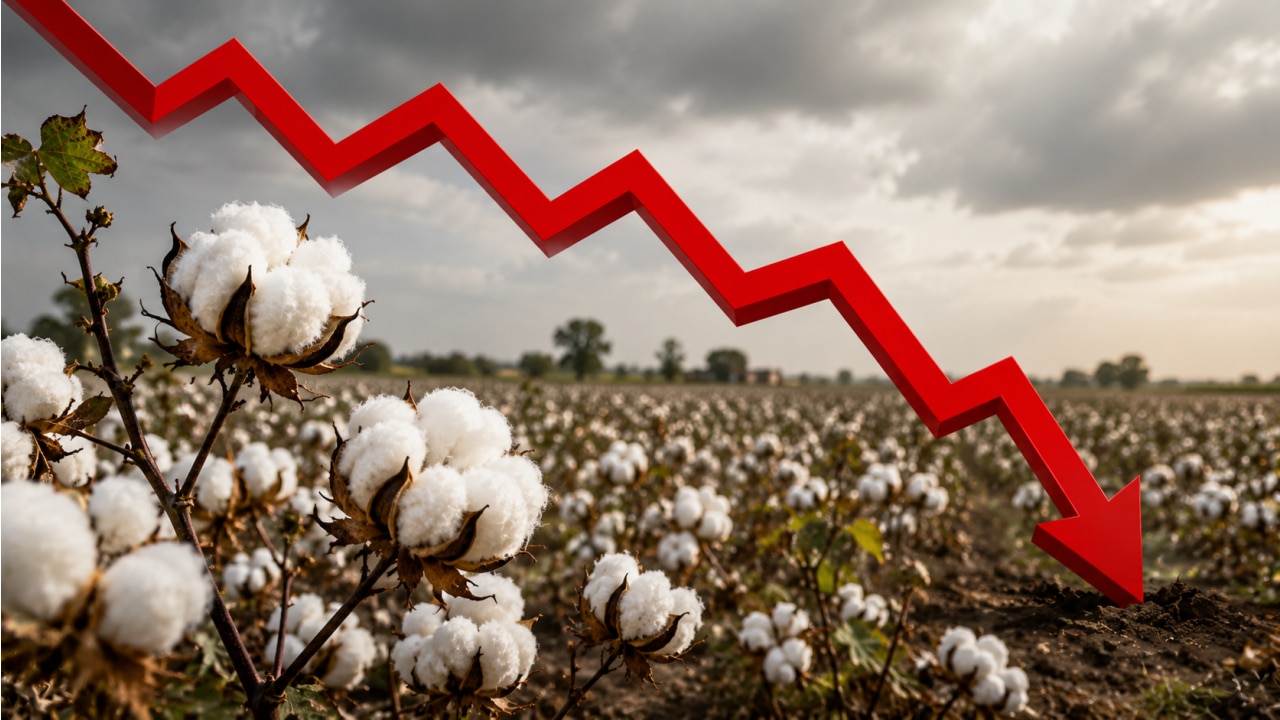
The domestic market currently faces a calibrated downward pressure. In Sindh, prices dropped to Rs. 21,000 per maund, while Punjab maintains a slightly higher baseline at Rs. 22,000. Furthermore, phutti prices experienced a contraction of Rs. 1,500 per maund. Analysts attribute this weakness to a 10-cent drop in international prices, which serves as a catalyst for domestic price corrections.

However, internal policy friction further complicates the landscape. Ihsanul Haq, Chairman of the Cotton Ginners Forum, noted that a new tax on cotton movement between Sindh and Punjab has widened provincial price disparities. This administrative hurdle makes raw materials more expensive for Punjab-based mills, further incentivizing the shift toward US cotton imports as a more predictable alternative.
Regional Benchmarking: The India Factor
In contrast to Pakistan’s regulatory hurdles, India has implemented a strategic removal of all duties and taxes on imported cotton through October. This policy maneuver allows Indian mills to access cheaper raw materials, facilitating a massive surge in yarn exports to China. While Pakistan struggles with high energy tariffs and a super tax, India is leveraging policy precision to capture global market share.

The Situation Room Analysis
The Translation (Clear Context)
The “Next Gen” logic behind this data is simple: Pakistan’s textile industry is in survival mode. The surge in US cotton imports isn’t a sign of luxury, but a necessity because the domestic “crop engine” is failing to provide the precision-grade fiber required for high-end exports. We are seeing a transition from a self-sufficient cotton producer to a value-added processor that relies entirely on global supply chains.
The Socio-Economic Impact
This development directly impacts the stability of millions of households. Currently, over 500 ginning factories and 150 textile mills have ceased operations or are running at a fraction of their capacity. For the average Pakistani professional or worker, this means reduced job security and higher costs of living as the industry passes down the “Super Tax” and high energy costs to the finished goods and the broader economy.

The “Forward Path” (Opinion)
This is a Stabilization Move rather than a Momentum Shift. While securing US cotton ensures that the mills don’t go dark tomorrow, it does not solve the structural decay of our agricultural sector. To achieve a true momentum shift, Pakistan must mirror India’s policy responsiveness—slashing taxes on movement and reducing energy costs to ensure our textile value chain remains a global catalyst for growth.








