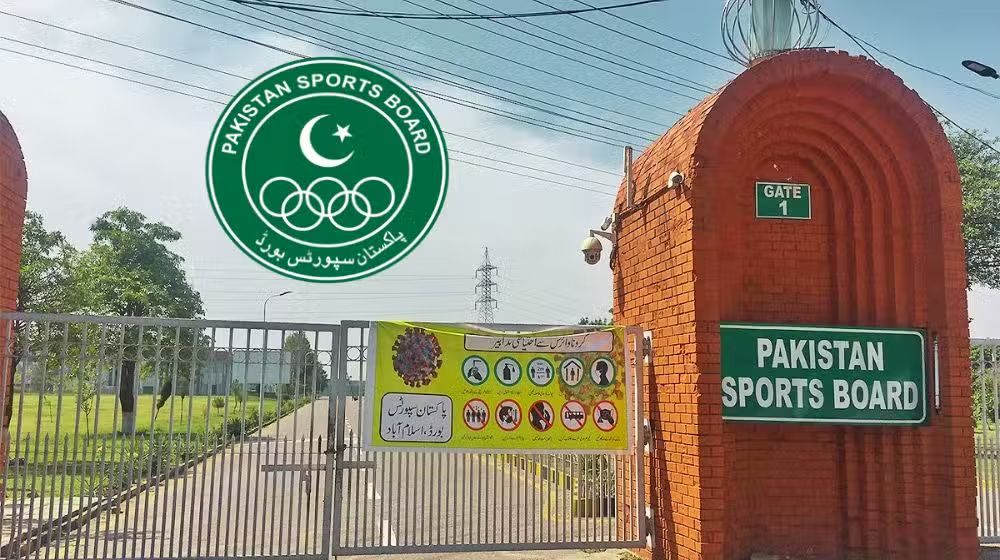
Pakistan is launching the National Sports Policy 2026 to overhaul a sports ecosystem that has remained stagnant for nearly two decades. This strategic framework seeks to decouple athletic governance from excessive bureaucratic control, creating a professional environment focused on performance-based accountability. By empowering national sports federations and the Pakistan Olympic Association, the government is establishing a calibrated baseline for international excellence.
Rebuilding the Arena: The National Sports Policy 2026
The new draft grants federations the independence to manage their own technical rules, national teams, and championships. Consequently, these bodies must now align with international federation standards to maintain their standing. The government acts as a catalyst for reform rather than a bottleneck, ensuring that autonomy is balanced with strict governance oversight and quarterly performance audits.

The Translation: Decoding Governance Autonomy
In technical terms, the policy shifts power from a centralized federal model to a provincial and federation-driven structure. Following the 18th Amendment, the state is formally recognizing sports as a provincial subject. The proposed National Sports Coordination Council will act as the structural bridge, resolving disputes and synchronizing efforts between regional and federal stakeholders to prevent systemic friction.

The Socio-Economic Impact: Empowering the Citizen
This development transforms the daily lives of Pakistanis by treating sports as a viable career path rather than a hobby. Specifically, the policy mandates:
- Grassroots Integration: Mandatory sports competitions in schools and colleges to foster a competitive culture.
- Financial Security: The introduction of contracts, medical insurance, and pension schemes for professional athletes.
- Infrastructure Funding: Provinces will allocate at least 2% of their development budgets to a dedicated Sports Development Fund.
- Talent Analytics: A centralized athletes’ database and talent hunt system to identify and track promising youth across urban and rural sectors.

The Forward Path: A Strategic Momentum Shift
The National Sports Policy 2026 represents a definitive Momentum Shift for Pakistan. By encouraging private investment in professional leagues and broadcasting, the government is inviting the private sector to fuel a self-sustaining sports economy. Furthermore, establishing dedicated institutions for sports sciences and data analysis ensures that our athletes are calibrated to meet modern, precision-driven athletic standards. If implemented with discipline, this policy will move Pakistan from stabilization to global competitiveness.