

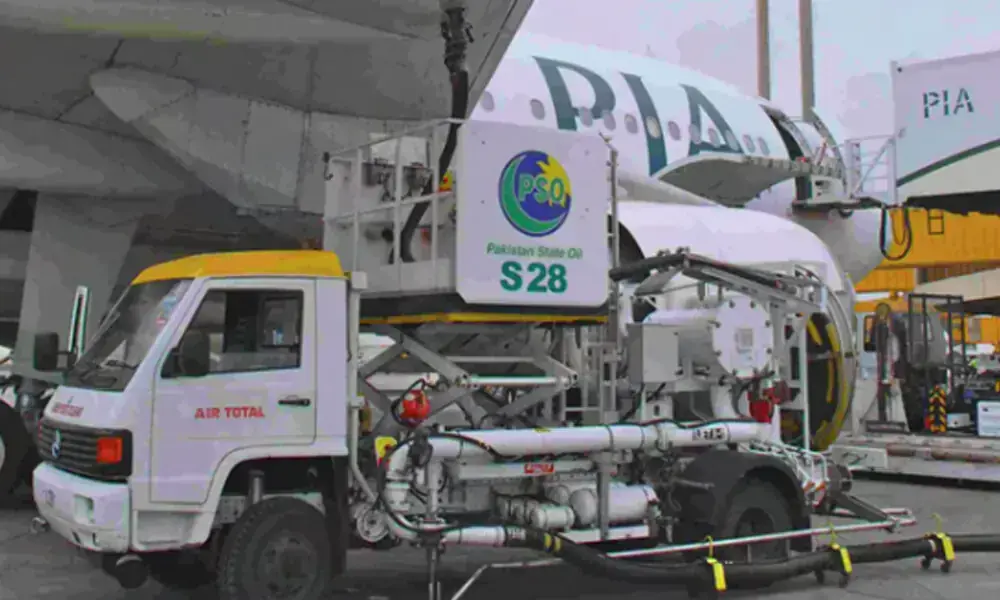
Pakistan’s aviation sector received a major strategic boost as the government finalized a significant jet fuel price cut of Rs. 48.80 per liter. This calibrated adjustment by Pakistan State Oil (PSO) brings the new baseline rate to Rs. 283.52 per liter, signaling a potential reduction in domestic airline fares. Consequently, this structural relief aims to stabilize the national transportation network after months of volatile energy pricing and geopolitical disruptions.
Calibrating the National Energy Grid
This decision follows a broader stabilization effort where the government slashed petrol and high-speed diesel prices by Rs. 22 per liter. Specifically, the revised price for high-speed diesel now stands at Rs. 380.78, while motor spirit transitioned to Rs. 381.78 per liter. These precision cuts reflect a systemic cooling of energy costs following a period of extreme global market fluctuations that previously constrained the national economy.
Historical Volatility and the Jet Fuel Price Cut
The recent jet fuel price cut marks a cumulative reduction of Rs. 283 per liter from its historical peak during international conflicts. Previously, geopolitical tensions in the Middle East drove prices to a staggering record high of Rs. 517 per liter. Furthermore, the volatility in March saw five price hikes within a single month, primarily catalyzed by the energy crisis involving the United States, Israel, and Iran. Before these disruptions, the baseline price stood at a modest Rs. 188 per liter in early 2024.
The Situation Room: Strategic Analysis
The Translation (Clear Context)
The technical reality behind this adjustment involves a realignment of the national energy grid with stabilizing international crude benchmarks. Effectively, the government is shifting from defensive market positioning to a proactive economic stimulus. By lowering the input costs for Pakistan State Oil (PSO), the state is incentivizing airlines to resume full-scale operations and optimize their flight schedules.
The Socio-Economic Impact
For the average Pakistani citizen, these adjustments translate to improved mobility and reduced inflationary pressure. Lower operational costs for airlines typically trigger competitive fare reductions, making air travel more accessible for professionals and families. Additionally, the simultaneous drop in diesel prices lowers the cost of nationwide logistics, which directly impacts the retail price of essential household goods in both urban and rural centers.
The Forward Path (Opinion)
This development represents a Momentum Shift. While the reduction is substantial, the long-term structural health of the aviation sector depends on sustained energy stability rather than reactive adjustments. The current downward trajectory offers a vital window for domestic airlines to recapitalize and enhance service efficiency. We view this as a necessary catalyst for restoring confidence in Pakistan’s logistics and tourism infrastructure.









