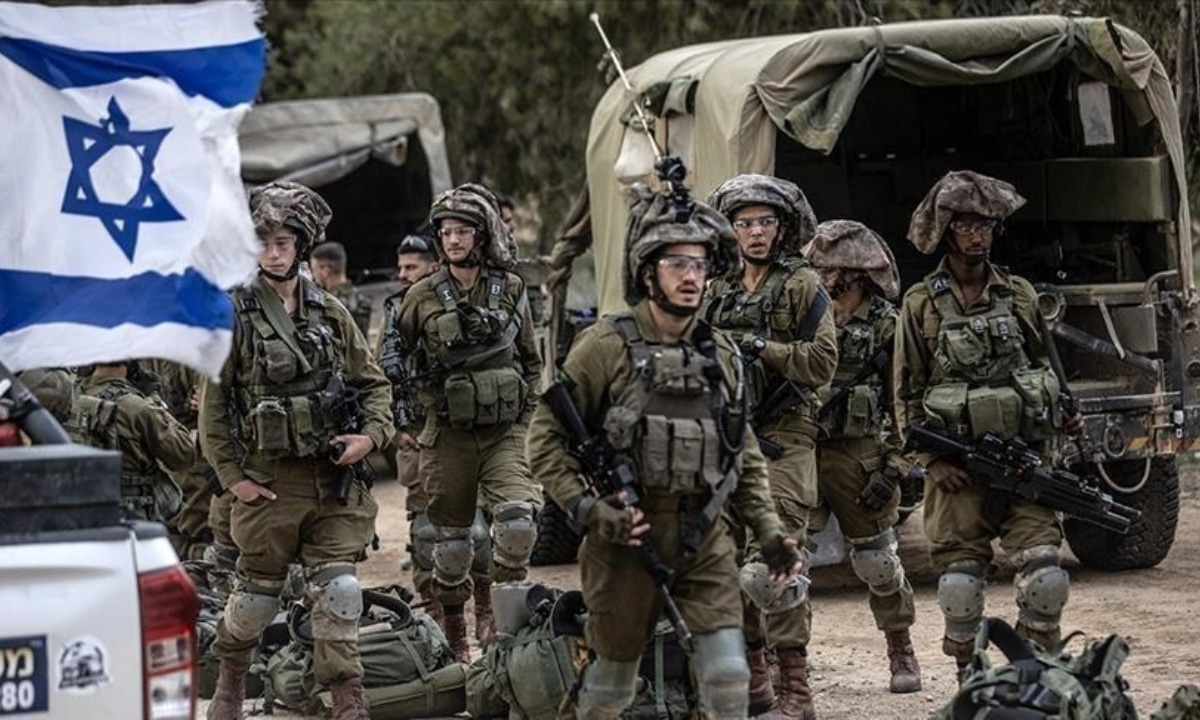
The United Nations recently executed a strategic UN Blacklist Inclusion of Israeli and Russian security forces following rigorous allegations of sexual violence. This structural shift in international oversight signifies a calibrated effort to enforce human rights during armed conflicts. Consequently, both nations now face intensified monitoring from the global community, establishing a new baseline for state accountability.
Strategic Implications of the UN Blacklist Inclusion
The decision primarily addresses serious violations linked to sexual misconduct during active combat zones. By placing state security forces on this list, the UN disrupts traditional diplomatic immunity patterns. UN Secretary-General António Guterres previously signaled this trajectory in August, warning that credible evidence would catalyze formal listing. The current development confirms that the international body has validated these reports through precise investigative channels.

Regional Reactions and Diplomatic Friction
Israeli officials characterized the decision as “shameful,” arguing that the move lacks strategic precision by equating state forces with non-state militant groups. Similarly, the inclusion of Russian forces has intensified existing global tensions. Despite these objections, the UN maintains that systemic violations require structural consequences to prevent future misconduct. These developments indicate a momentum shift toward a more aggressive human rights enforcement framework.
The Translation: Contextualizing the Data
This move is not merely a symbolic gesture; it is a calculated administrative upgrade to international law. When the UN “blacklists” a military, it activates specific monitoring mechanisms and complicates international military cooperation. Essentially, the UN has shifted from passive observation to active documentation of state-sponsored violations, demanding a higher precision of conduct from modern armies.
The Socio-Economic Impact on Pakistan
For the Pakistani citizen, this development highlights the evolving nature of global justice. As Pakistan frequently contributes to UN Peacekeeping missions, these stringent standards directly influence the operational training of our own forces. Furthermore, it reinforces the baseline expectation that no state, regardless of geopolitical influence, remains immune to scrutiny. This shift promotes a more equitable international system for developing nations that rely on the rule of law.
The Forward Path: Strategic Momentum
In our expert assessment, this development represents a Momentum Shift. The UN is moving beyond traditional diplomacy into a phase of structural accountability. While the immediate political friction is high, the long-term impact will likely catalyze more disciplined military protocols worldwide. This is a strategic progression toward a more transparent global security architecture.