
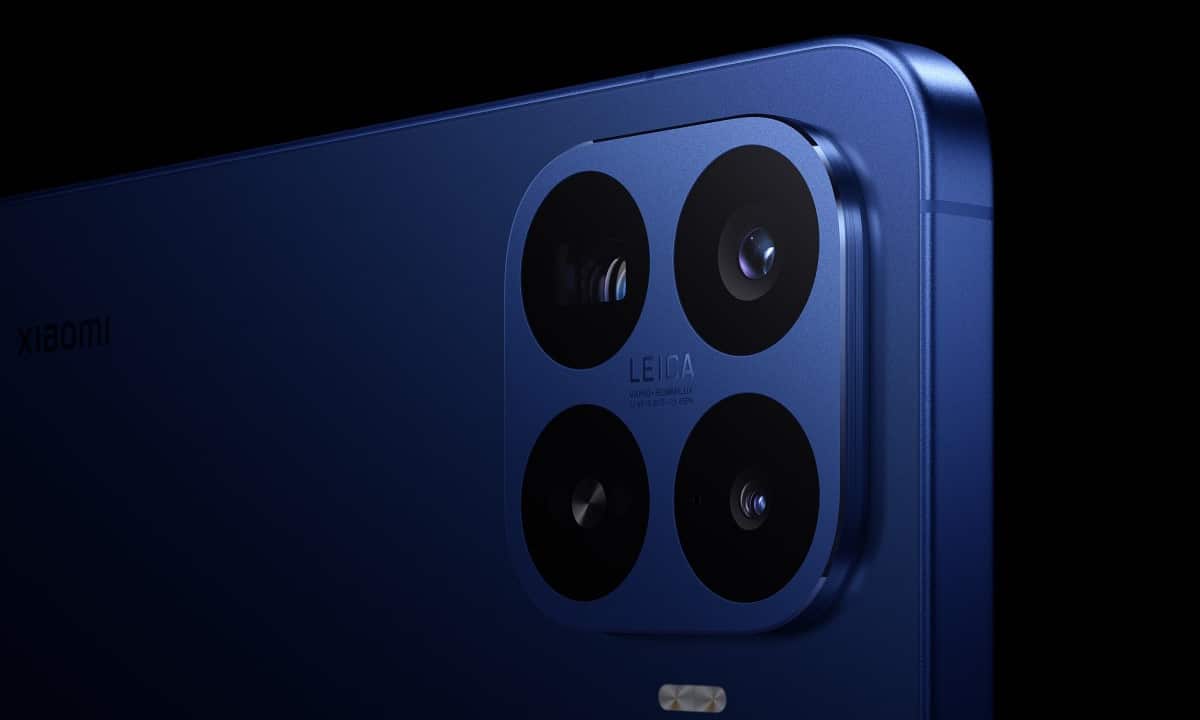
The global launch of the Xiaomi 17T series marks a strategic pivot in hardware calibration, skipping the numerical sequence to align with the company’s flagship trajectory. These devices integrate sophisticated MediaTek chipsets, enhanced Leica optics, and a significant expansion in energy density. Furthermore, Xiaomi has optimized the display architecture to offer peak brightness levels that challenge the current industrial baseline.
Visual Engineering and Display Precision
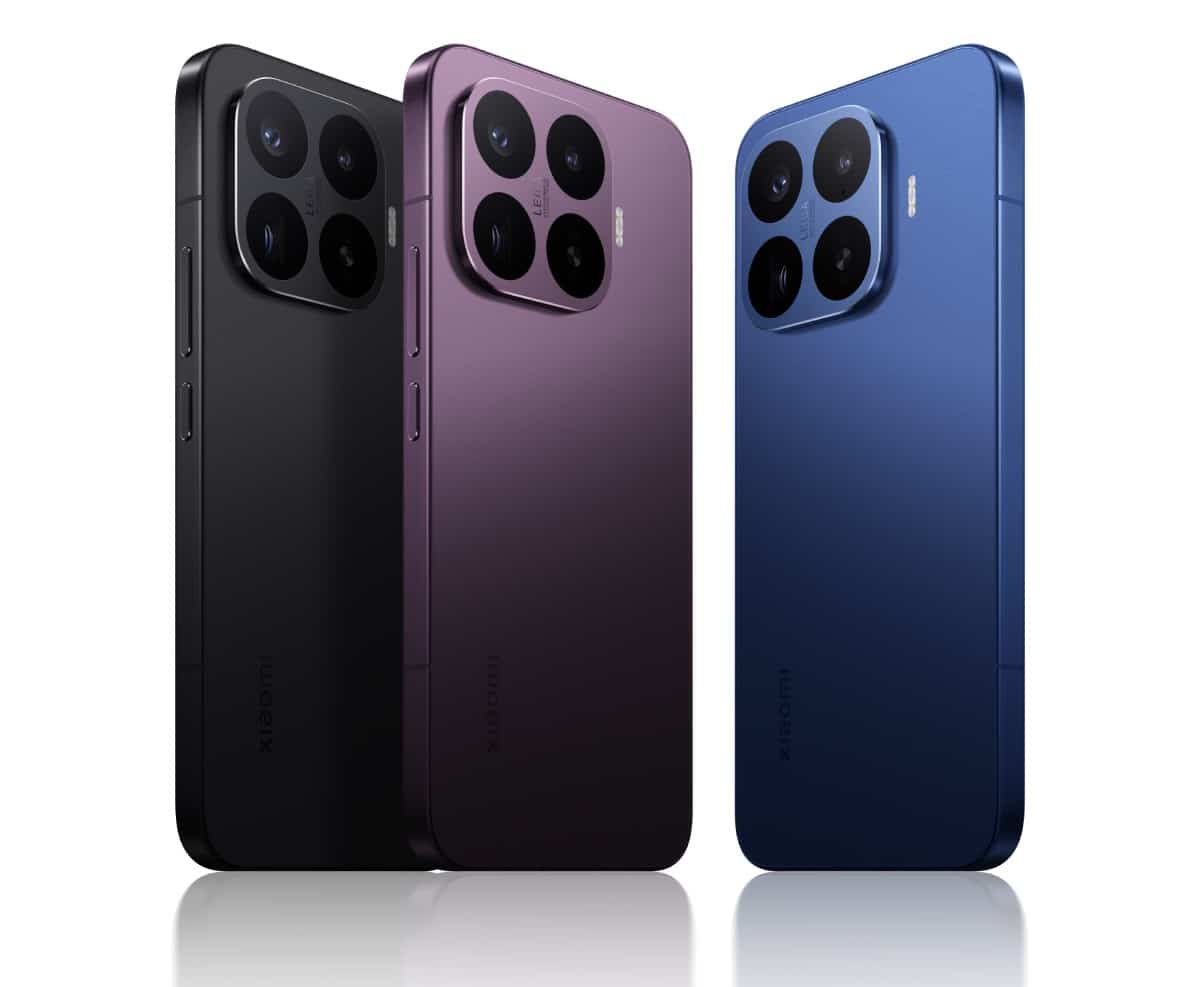
The Xiaomi 17T features a calibrated 6.59-inch OLED panel, while the Pro variant maintains a more expansive 6.83-inch footprint. Both displays utilize 12-bit color depth, delivering a spectrum of 68 billion colors for maximum visual fidelity. Consequently, users experience a peak brightness of 3,500 nits, which ensures legibility even under high-intensity ambient light. The Pro model further distinguishes itself with a 144Hz refresh rate and an ultra-dim mode that reaches a baseline of just 1 nit.
Internal Architecture and Processing Power
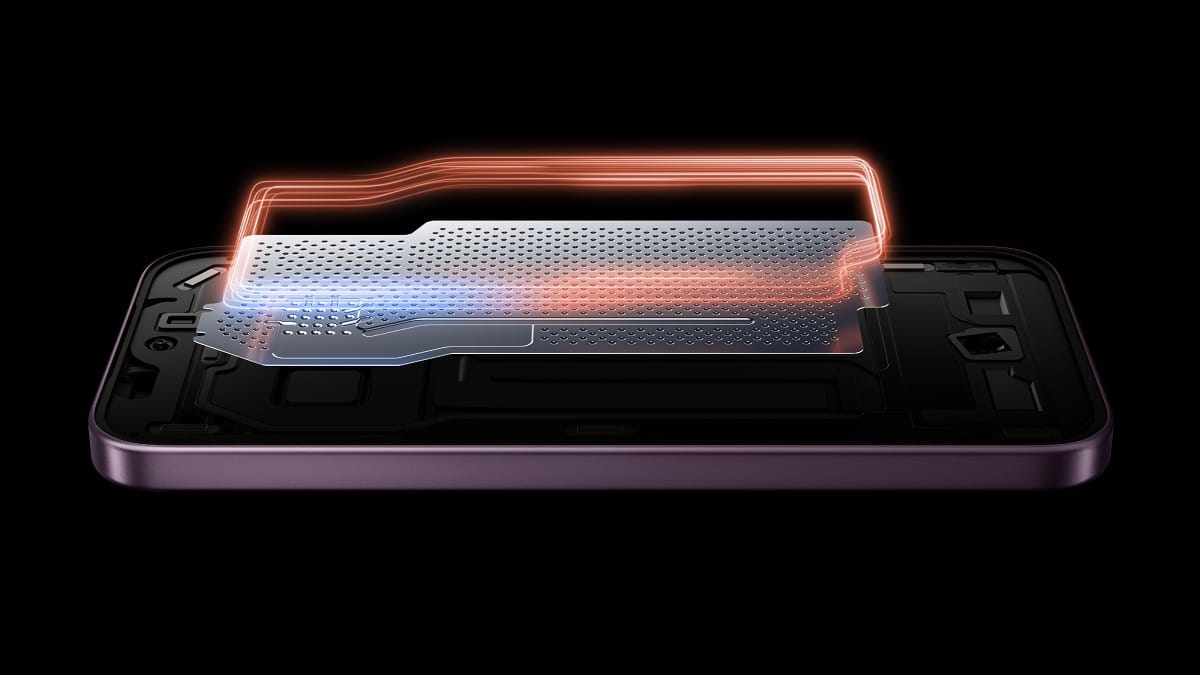
The Xiaomi 17T series utilizes advanced silicon architecture to drive system efficiency. Specifically, the standard model leverages the MediaTek Dimensity 8500, yielding a 25% increase in GPU performance. In contrast, the 17T Pro adopts the 3nm Dimensity 9500 chipset, which provides a 32% boost in single-core CPU tasks. Both models are equipped with the 3D IceLoop cooling system, a structural necessity for maintaining thermal stability during sustained high-load operations.
Optical Evolution: Leica-Driven Periscope Systems
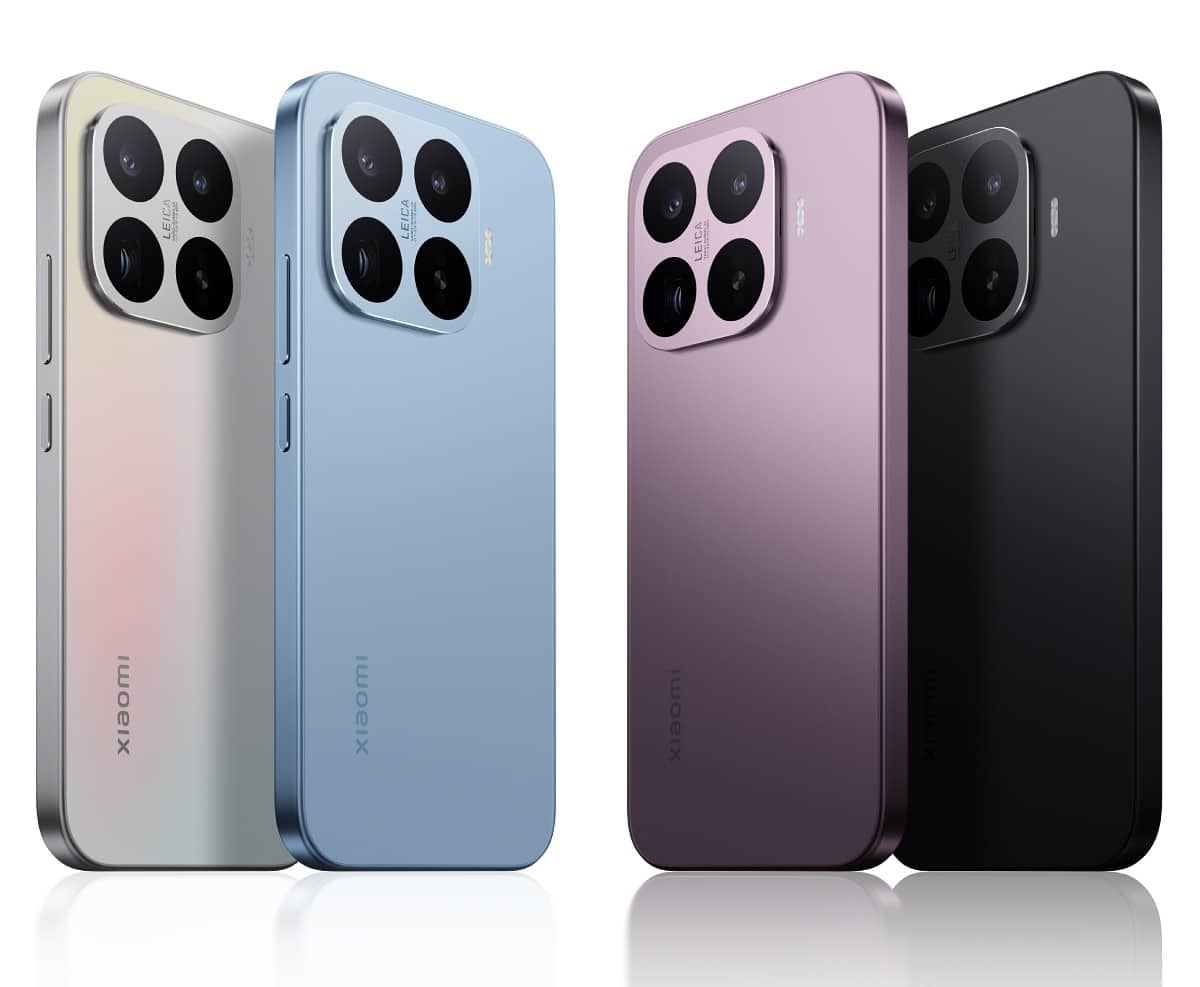
Xiaomi has implemented a major optical upgrade by introducing a 50MP periscope telephoto camera across the lineup. This 115mm focal length system replaces the previous 2x zoom, offering a 5x optical reach and a 10x optical-grade in-sensor zoom. Additionally, the Pro variant utilizes the OmniVision Light Fusion 950 sensor, featuring larger 1.2µm pixels. These calibrated sensors, combined with Leica Summilux lenses, represent a significant catalyst for mobile photography advancement.
Energy Density and Charging Dynamics
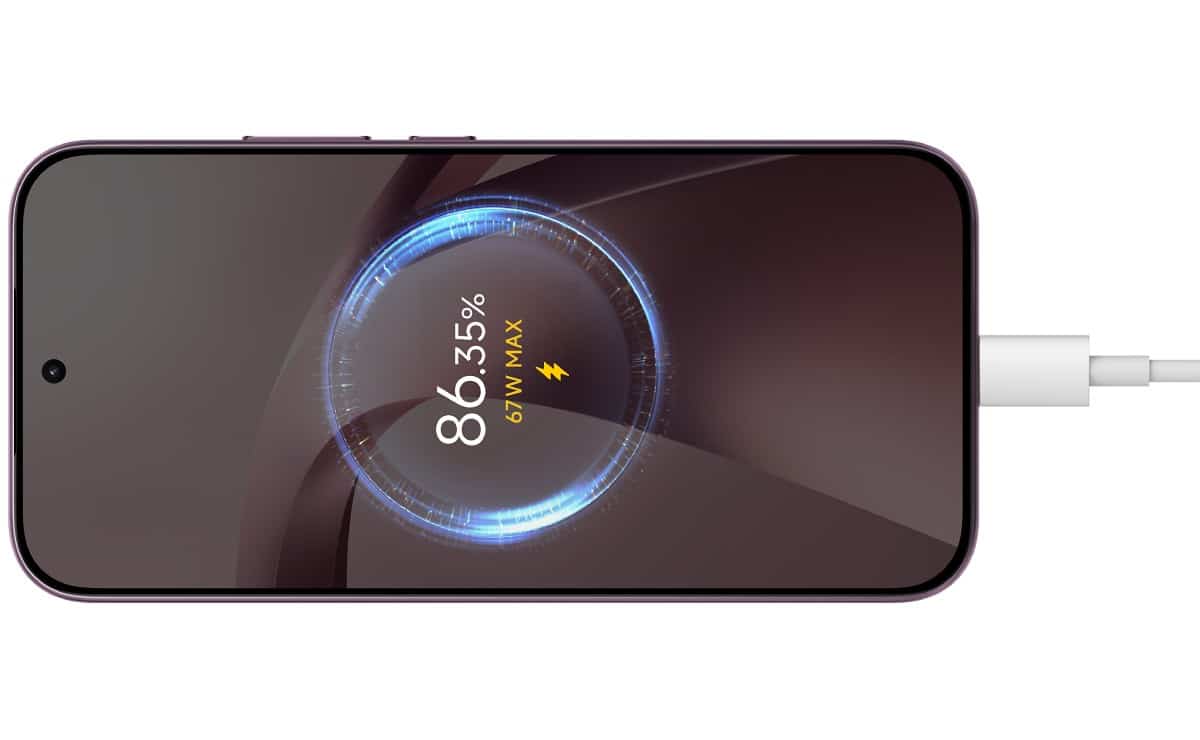
The energy baseline for the Xiaomi 17T series has been drastically elevated. The 17T Pro introduces a 7,000mAh silicon-carbon battery, achieving a 27% capacity increase over its predecessor without a proportional increase in volume. While the standard 17T supports 67W HyperCharge, the Pro variant pushes the boundary with 100W wired and 50W wireless charging capabilities. This structural shift in battery chemistry ensures longer lifecycle stability for heavy users.
The Situation Room: Strategic Analysis
The Translation (Clear Context)
Xiaomi is essentially moving away from “incremental” updates. By skipping the 16-series designation and jumping to the 17T, they are signaling that the hardware leap—particularly the massive jump to 7,000mAh batteries and periscope lenses—is a generation-defining transition rather than a minor tweak. The use of silicon-carbon battery technology is the real “Next Gen” factor here, allowing for more power in a footprint that remains manageable.
The Socio-Economic Impact
For the Pakistani professional or student, the $116 price hike is a significant barrier. However, the socio-economic tradeoff lies in the “device longevity” factor. A 7,000mAh battery potentially extends the usable life of a phone by 1-2 years before battery degradation becomes an issue. In an economy where hardware replacement cycles are lengthening, this increased “energy baseline” provides long-term value that offsets the initial capital expenditure.
The Forward Path (Opinion)
This development represents a Momentum Shift. Xiaomi is no longer competing solely on price; they are competing on engineering precision. The inclusion of a 5x periscope camera and Wi-Fi 7 readiness positions the 17T series as a legitimate alternative to “Ultra” flagships. While the price increase tests consumer loyalty, the technical specifications offer a strategic advantage that stabilizes Xiaomi’s position in the high-end market.
Technical Specifications Comparison
| Feature | Xiaomi 17T | Xiaomi 17T Pro |
|---|---|---|
| Chipset | MediaTek Dimensity 8500 (4nm) | MediaTek Dimensity 9500 (3nm) |
| Display | 6.59″ OLED, 120Hz, 3500 nits | 6.83″ OLED, 144Hz, 3500 nits |
| Main Camera | 50MP (Light Fusion 800) | 50MP (Light Fusion 950) |
| Telephoto | 50MP 5x Periscope | 50MP 5x Periscope |
| Battery | 6,500 mAh (67W) | 7,000 mAh Silicon-Carbon (100W) |
| Entry Price | $872 | $1,047 |








