
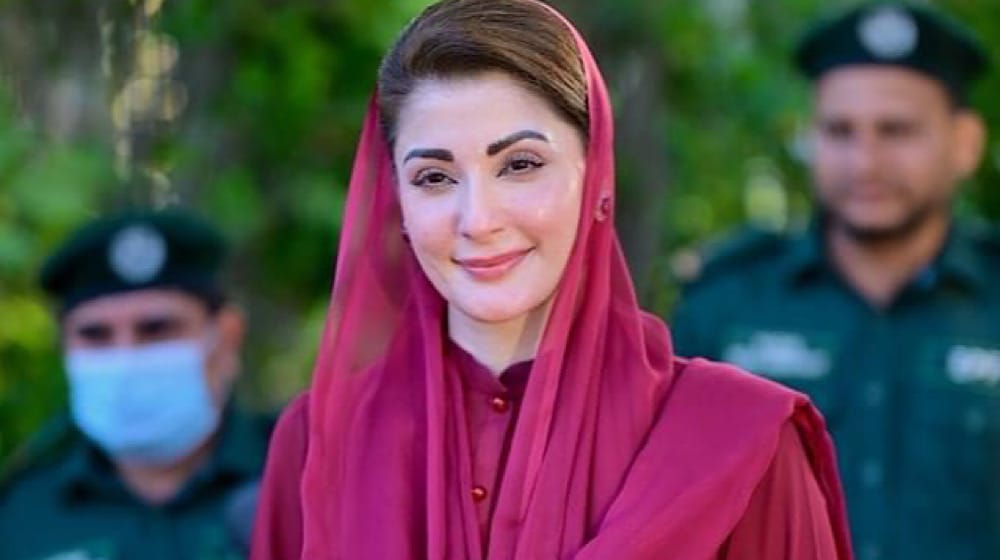
Leadership resilience defines the trajectory of Punjab’s administrative efficiency. Recently, Punjab Chief Minister Maryam Nawaz successfully navigated a major surgery at Sharif Medical City Hospital, ensuring that the gears of the provincial machinery remained in constant motion. Consequently, the Chief Minister was discharged to her residence following the procedure, as confirmed by Senior Minister Marriyum Aurangzeb. This medical event marks a critical juncture for the provincial executive, balancing personal health with high-stakes governance requirements.
Analyzing the Maryam Nawaz Surgery and Executive Continuity
Notably, the Chief Minister’s surgical procedure did not result in an administrative vacuum. During her stay at Sharif Medical City, Maryam Nawaz maintained precision-level oversight of Punjab’s operations. She personally supervised security arrangements and massive cleanliness drives during the Eid holidays. Information Technology Minister Shaza Fatima Khawaja and other cabinet members echoed this commitment to duty, emphasizing that the provincial baseline remained stable throughout the recovery period.
Historical Context and Health Trajectory
This is not the first instance where the Chief Minister has addressed structural health concerns. Previously, in January 2023, she underwent throat surgery in Geneva, Switzerland, involving a three-hour procedure on two glands. Furthermore, the current medical intervention in Lahore signifies a strategic decision to utilize local facilities, reinforcing the capacity of Sharif Medical City Hospital as a catalyst for advanced medical care in Pakistan.
The Translation: Contextualizing Governance
While “major surgery” often implies a total halt in professional activity, the Punjab leadership utilized digital and remote governance tools to maintain executive oversight. This represents a shift towards a hybrid leadership model where physical presence is secondary to systemic control. By managing large-scale provincial operations from a medical facility, the administration demonstrated that the “Next Gen” governance structure is built to function independently of the physical location of the executive head.
The Socio-Economic Impact: What It Means for Citizens
- Service Delivery: The immediate impact was felt through the uninterrupted Eid cleanliness drive, ensuring urban sanitation standards were met.
- Systemic Stability: For Pakistani citizens, this continuity signals that the government is not reliant on a single individual’s physical presence, but rather on a calibrated system of reporting.
- Public Confidence: Direct supervision of security protocols during a high-alert holiday period maintained a sense of safety for households across Punjab.
The Forward Path: Momentum Shift or Stabilization?
This development represents a Momentum Shift. By maintaining a rigorous workload during a recovery phase, Maryam Nawaz has set a high-performance benchmark for the provincial cabinet. It highlights a disciplined approach to national advancement, where professional duty takes precedence over personal recovery. The administration’s ability to execute complex logistics during this period suggests a high level of structural maturity within the Punjab government.








