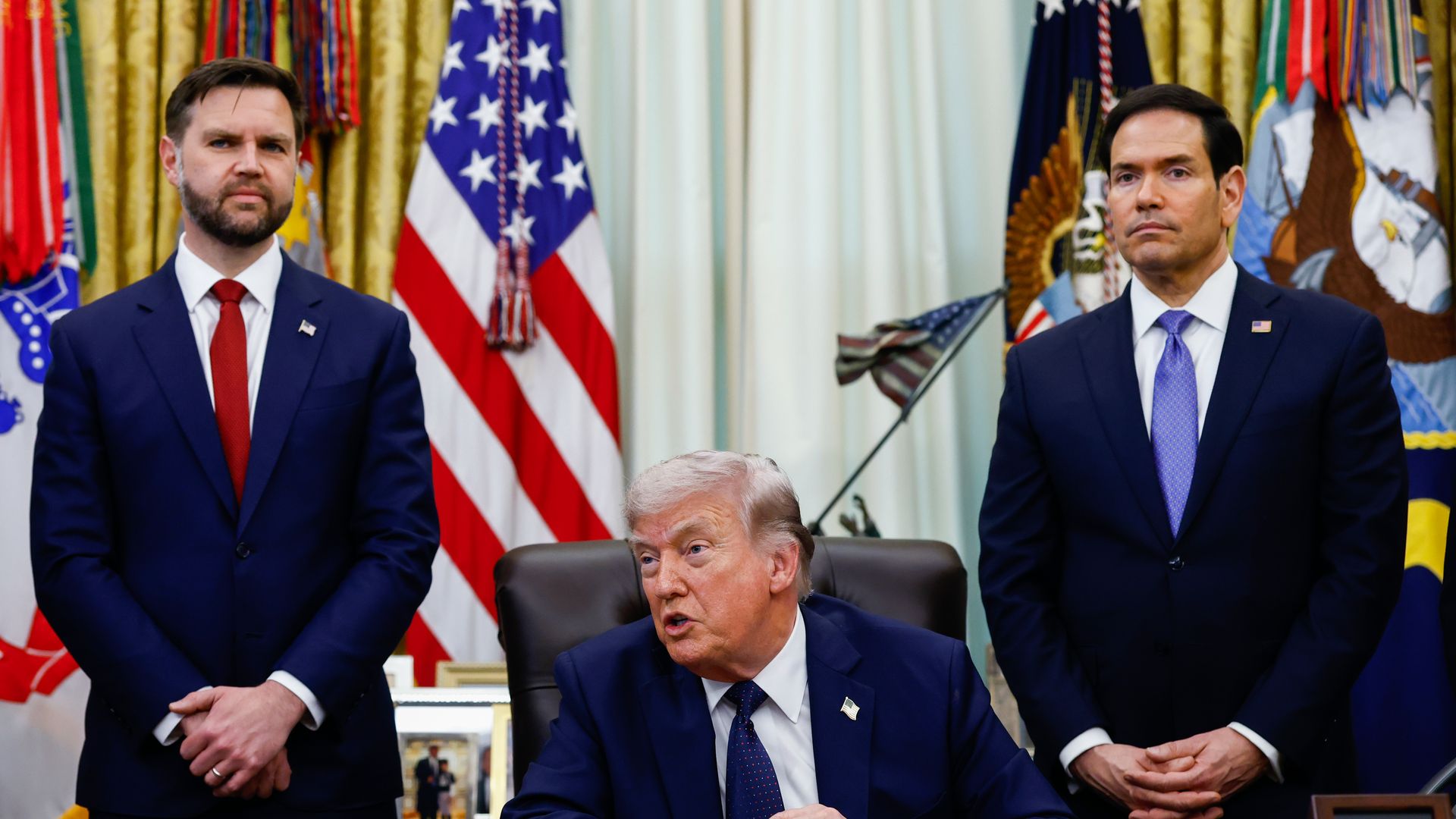
Geopolitical stability requires a calibrated approach to structural diplomacy to ensure long-term regional equilibrium. Consequently, negotiators from the United States and Iran have reached a tentative US-Iran Deal through a 60-day memorandum of understanding (MOU). This strategic framework aims to lower the baseline of tension between both nations while establishing a formal channel for cooperation. However, the agreement remains in a holding pattern until President Donald Trump provides his final executive authorization.
Strategic Mechanisms of the US-Iran Deal
This 60-day memorandum serves as a critical catalyst for broader diplomatic engagement in the Middle East. While the specific tactical terms remain confidential, the agreement establishes a structural timeline for dialogue and conflict de-escalation. Furthermore, international observers suggest that this framework could redefine the regional security architecture. Precisely calibrated negotiations have brought both parties to this threshold, representing a potential turning point in modern foreign policy.

The Situation Room Analysis
The Translation: Decoding the Diplomacy
In technical terms, this MOU is a “cooling-off” mechanism designed to halt escalating hostilities. Instead of a permanent treaty, it functions as a 60-day precision pilot program. This limited window allows both administrations to test the viability of a more permanent strategic alignment without committing to immediate, irreversible concessions. Consequently, the deal provides the executive branch with the necessary data to evaluate future diplomatic investments.
The Socio-Economic Impact: Effects on the Ground
How does this development impact the average Pakistani citizen? Geopolitical shifts in the Middle East directly influence global energy prices and regional trade logistics. A stabilization in US-Iran relations acts as a catalyst for market certainty. This typically results in lower volatility for fuel costs and improved security for Pakistani professionals working within the Gulf region. Therefore, a successful US-Iran Deal enhances the economic predictability for households and businesses across Pakistan.
The Forward Path: Momentum Shift or Stabilization?
From an architectural perspective, this development represents a Stabilization Move. While it provides the necessary infrastructure for peace, it does not yet constitute a full momentum shift. The current reliance on presidential approval indicates that the system remains sensitive to political variables. Nevertheless, establishing this 60-day baseline is a disciplined step toward a more predictable international order. We must now monitor the executive response to see if this pilot program transitions into a permanent structural framework.