The geopolitical landscape of the Persian Gulf is facing a structural disruption following President Donald Trump’s recent abrasive rhetoric directed at the Sultanate of Oman. This calibrated shift from traditional diplomacy to direct military threats highlights escalating Middle East tensions that threaten a critical global energy conduit. Consequently, Oman, which historically serves as a neutral mediator, now finds its role challenged by a new baseline of American foreign policy. As regional security frameworks fracture, the international community must prepare for systemic volatility in one of the world’s most sensitive corridors.
Navigating the Strategic Volatility of the Gulf
U.S. President Donald Trump delivered a blunt warning to Oman, stating the nation must “behave” or face military destruction. Historically, the United States viewed Oman as a reliable partner. However, this sudden aggression signals a departure from decades of calibrated cooperation. Oman maintains a strategic position near the Strait of Hormuz, where 20% of the world’s oil supply passes daily. Therefore, any destabilization of this Sultanate creates a ripple effect throughout the global energy market.

Furthermore, Oman has mediated high-stakes negotiations involving Iran and Yemen for years. Consequently, the Sultanate’s neutrality provides a necessary safety valve for Middle East tensions. Middle East analysts now suggest that this aggressive tone could permanently strain U.S.-Oman relations. While CENTCOM continues to intercept Iranian attack drones in the region, the addition of a diplomatic crisis with a neutral ally complicates the architectural security of the Gulf.
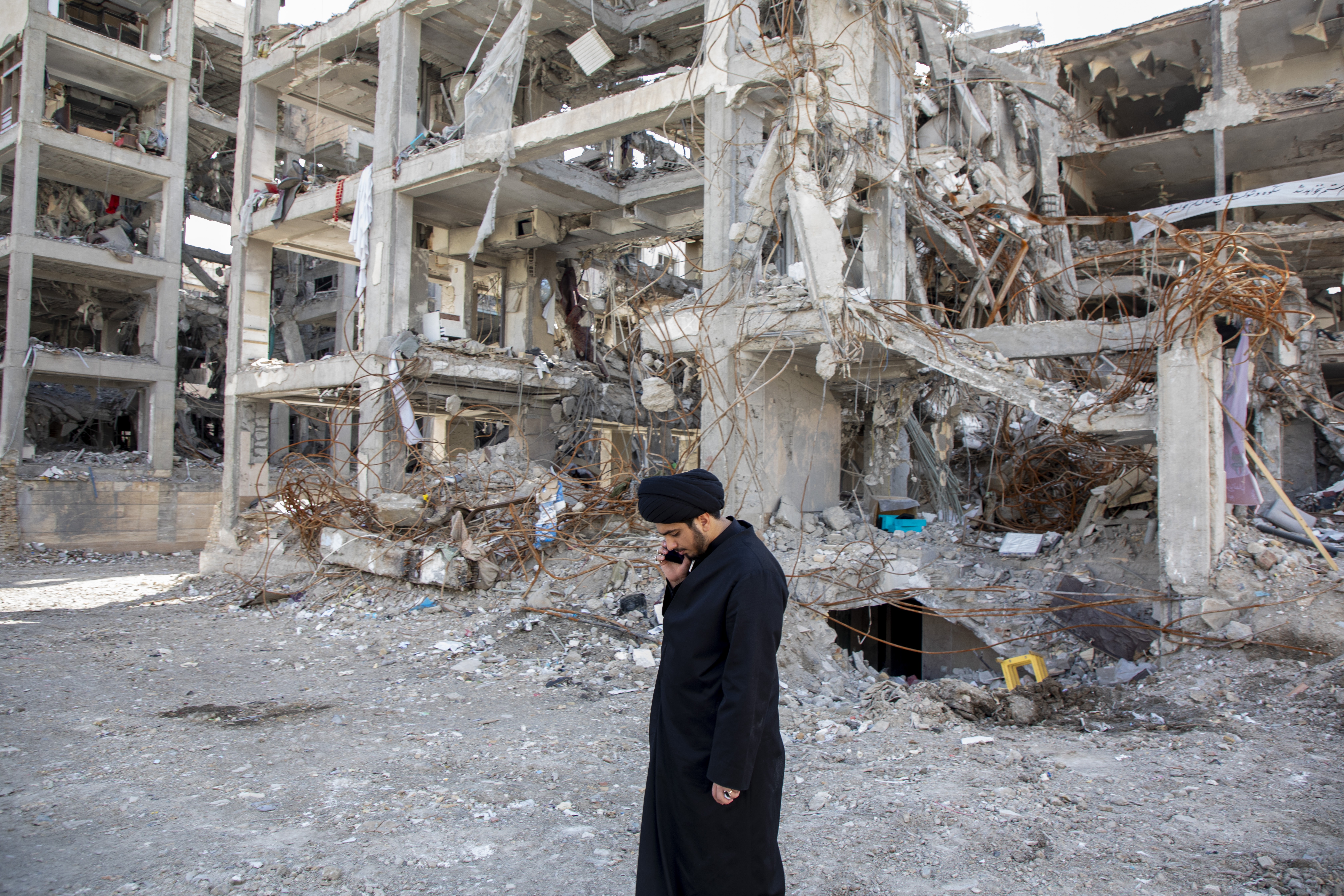
The Situation Room: Structural Analysis
To understand this development, we must translate the diplomatic jargon into “Next Gen” clarity. Essentially, the U.S. is moving from a strategy of “Incentivized Neutrality” to “Absolute Alignment.”
- The Logic: The administration is signaling that “neutrality” is no longer a viable baseline for partners in the region.
- The Mechanism: By using high-decibel threats, the U.S. aims to force Oman to curtail its back-channel communications with regional adversaries.
- The Conflict: Oman’s security is built on being a “friend to all,” a strategy that is now in direct opposition to the current U.S. “Precision Pressure” model.
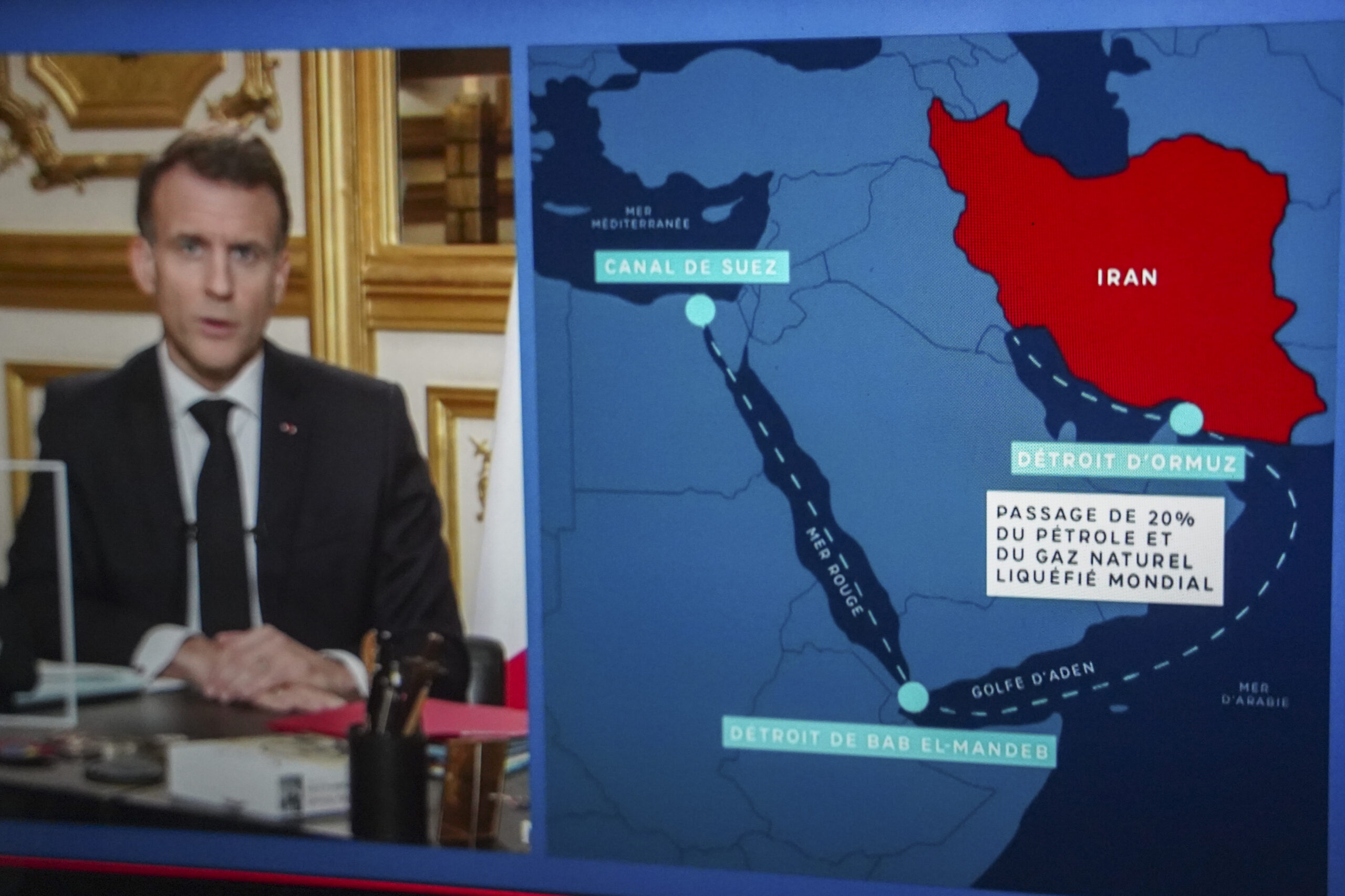
The Socio-Economic Impact: Precision Analysis
How does this change the daily life of a Pakistani citizen? Specifically, the escalation of Middle East tensions directly influences domestic economic stability. Any disruption in the Strait of Hormuz will trigger an immediate spike in global oil prices. For the average Pakistani household, this translates to higher fuel costs and increased inflation for essential goods. Moreover, thousands of Pakistani professionals working in the Gulf face increased job insecurity as regional stability wavers. A destabilized Oman could disrupt shipping lanes that are vital for Pakistan’s own maritime trade.
The Forward Path: Strategic Trajectory
In our expert view, this development represents a Momentum Shift toward high-risk volatility. We are witnessing the dismantling of the “Mediator Model” that has kept Middle East tensions from boiling over for decades. If Oman is forced to abandon its neutral stance, the region loses its most effective diplomatic bridge. Consequently, we anticipate a period of “Strategic Recalibration” where regional powers may seek new alliances to offset American unpredictability. This is not a stabilization move; it is a catalyst for a new, more dangerous regional order.