
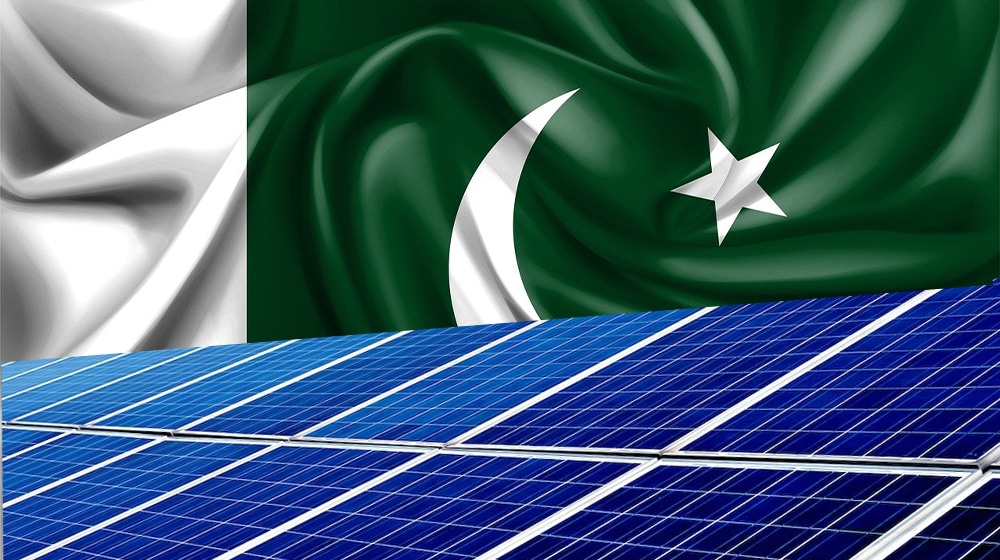
Pakistan’s energy architecture faces a structural recalibration as the federal government evaluates a significant Pakistan Solar Tax hike within the upcoming Budget 2026-27. This strategic adjustment aims to raise the General Sales Tax (GST) on solar equipment from 10% to 18%. Consequently, the move will elevate entry barriers for renewable adoption, effectively anchoring households and businesses to the national grid while discouraging independent energy transitions.
Strategic Calibrations: Why the Pakistan Solar Tax is Rising
The proposed fiscal measure serves as a mechanism to stabilize electricity demand across the national infrastructure. According to data from Topline Securities, urban consumption has declined as citizens migrated toward decentralized solar solutions. By increasing the Pakistan Solar Tax, the state intends to protect the financial baseline of Independent Power Producers (IPPs) and ensure the national grid remains a viable utility for the broader population.
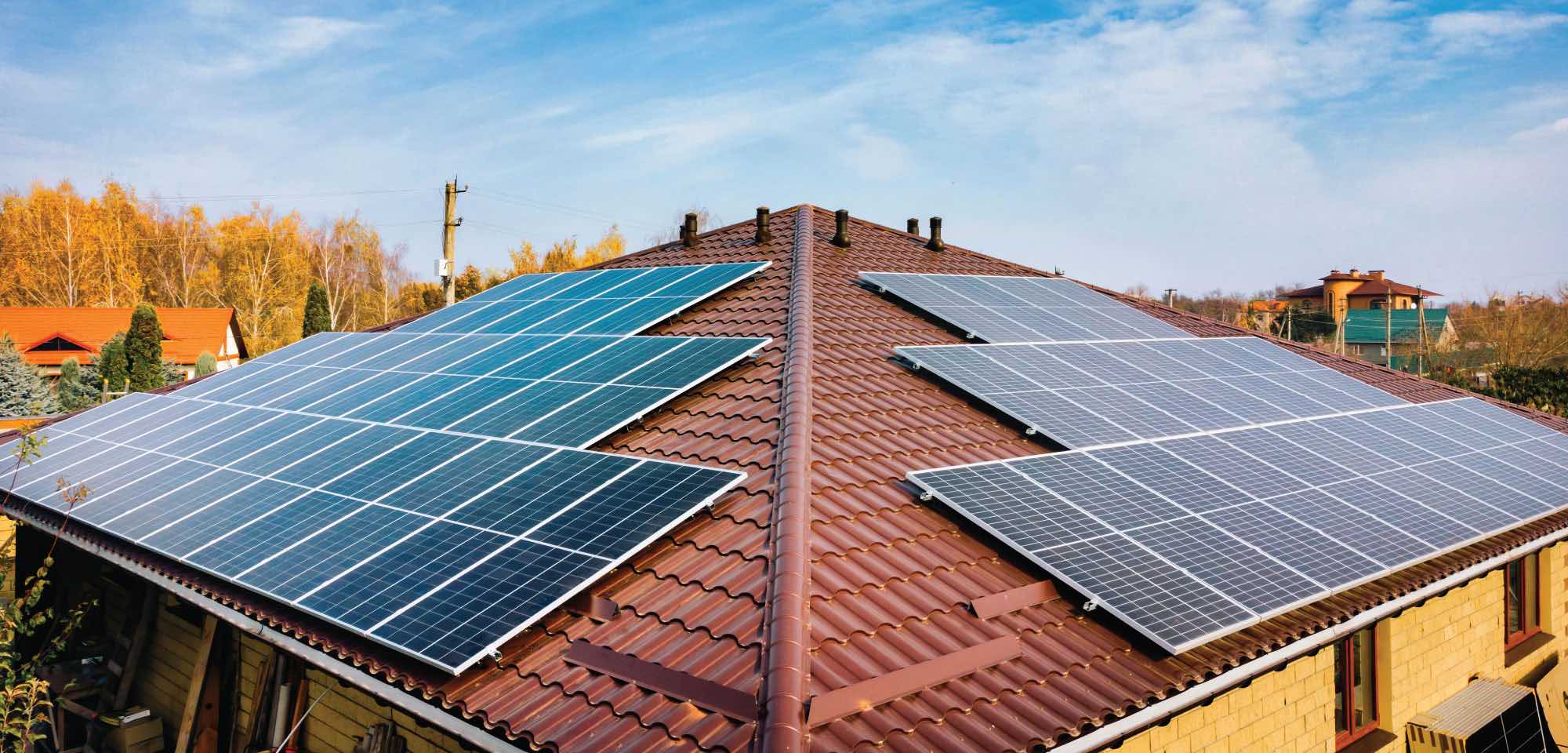
The Industrial Equilibrium Move
In tandem with the tax hike, the government plans to implement an industrial surplus electricity package. This initiative offers excess power at concessional rates to large-scale manufacturers. The objective is twofold: to stimulate industrial productivity and to absorb the surplus generation capacity currently stressing the power sector’s financial framework.
The Situation Room Analysis
The Translation (Clear Context)
Essentially, the state is prioritizing the financial equilibrium of the national grid over individual energy autonomy. The logic suggests that if too many high-value consumers “exit” the grid via solar, the remaining costs are distributed among a smaller, often poorer, pool of users. Therefore, the Pakistan Solar Tax acts as a deterrent to maintain a critical mass of consumers within the central system, ensuring the IPP contracts remain sustainable.
The Socio-Economic Impact
For the average Pakistani citizen and the salaried class, this development introduces a friction point in the pursuit of lower utility bills. The 8% increase in GST will directly translate to higher upfront costs for solar panels, making clean energy harder to finance. While industrial sectors may benefit from cheaper surplus rates, urban households will likely face continued reliance on grid pricing, which remains sensitive to international fuel costs and structural inefficiencies.
The Forward Path (Opinion)
This development represents a Stabilization Move. While it provides a temporary fiscal buffer for the energy sector, it is a reactive measure rather than a progressive evolution. To achieve true systemic efficiency, the government must eventually pivot from taxing renewables to modernizing the grid for “Net Metering 2.0.” Precision in future policy will be required to ensure that the drive for grid stability does not permanently stifle the technological leap toward a sustainable energy future.
- GST Adjustment: Increase from 10% to 18% on imported solar equipment.
- Primary Objective: Improving national grid utilization and revenue protection.
- Industrial Support: Concessional rates for excess power to boost manufacturing.
- Implementation Timeline: Proposed for the July 2026 fiscal start.








