
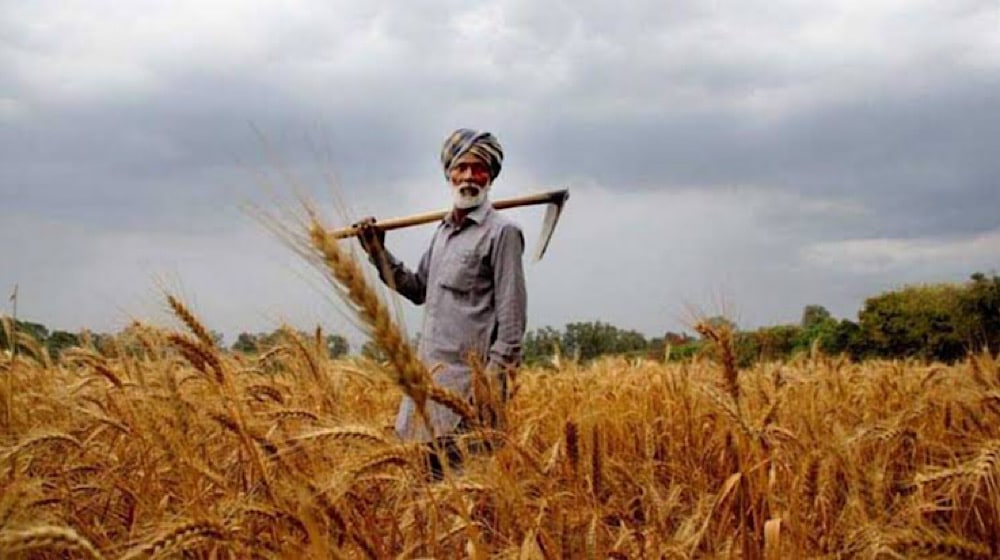
Pakistan’s fiscal architecture is undergoing a calibrated shift as the government prepares to integrate agricultural income tax into the national revenue framework under IMF directives. This strategic recalibration aims to broaden the tax base starting July. Consequently, the state is addressing a long-standing structural imbalance where the agricultural sector remained largely shielded from direct taxation. Precision in implementation will be critical to maintaining productivity while achieving these revenue targets.
Restructuring Pakistan’s Fiscal Baseline through Agricultural Reform
The International Monetary Fund (IMF) has established clear benchmarks for Pakistan to expand its fiscal reach. Specifically, the IMF identifies agriculture as one of the least-taxed sectors in the nation. To meet these international obligations, provincial governments must now take a leading role in enforcing the agricultural income tax. While Topline Securities predicts resistance from the farming community due to rising input costs, the government views this as a necessary catalyst for long-term economic stability.
Strategic Relief via Pakistan Asaan Khidmat App
In contrast to the broad taxation measures, the federal government has deployed a targeted relief mechanism. The Pakistan Asaan Khidmat App now serves as the primary interface for small-scale landholders. Farmers owning less than 12 acres of land currently qualify for a subsidy of Rs. 1,500 per acre. This intervention aims to offset energy-related cost adjustments and maintain the structural integrity of the food supply chain during this transition.
The Situation Room: Analysis
The Translation (Clear Context)
The “tax base expansion” translates to a transition from a consumer-tax-heavy system to a direct-income-tax system. Historically, the agricultural sector contributed significantly to the GDP but minimally to the national treasury. By introducing a formal agricultural income tax, the government is attempting to synchronize the provincial revenue streams with federal fiscal requirements. This logic ensures that all profitable sectors contribute proportionally to the national debt-servicing and development goals.
The Socio-Economic Impact
For the average Pakistani citizen, this move signals a shift in economic burden-sharing. Urban professionals and industrial workers have historically carried the bulk of the tax load. While large-scale landowners will face new compliance costs, small rural households receive protection through digital subsidies. Specifically, the Pakistan Asaan Khidmat App ensures that financial assistance reaches the baseline producer without the interference of middle-level bureaucracy, preserving the purchasing power of small-scale farmers.
The “Forward Path” (Opinion)
This development represents a Momentum Shift for Pakistan’s economic governance. For decades, the immunity of agricultural income from the tax net was a structural flaw that hindered fiscal precision. While the implementation will be politically sensitive, the move toward a data-driven tax system—supported by digital tools like the Pakistan Asaan Khidmat App—is a necessary step toward national self-reliance. Success now depends on the provincial governments’ ability to execute these mandates without disrupting the agricultural output that feeds the nation.








