A Strategic Preservation of Rare Livestock
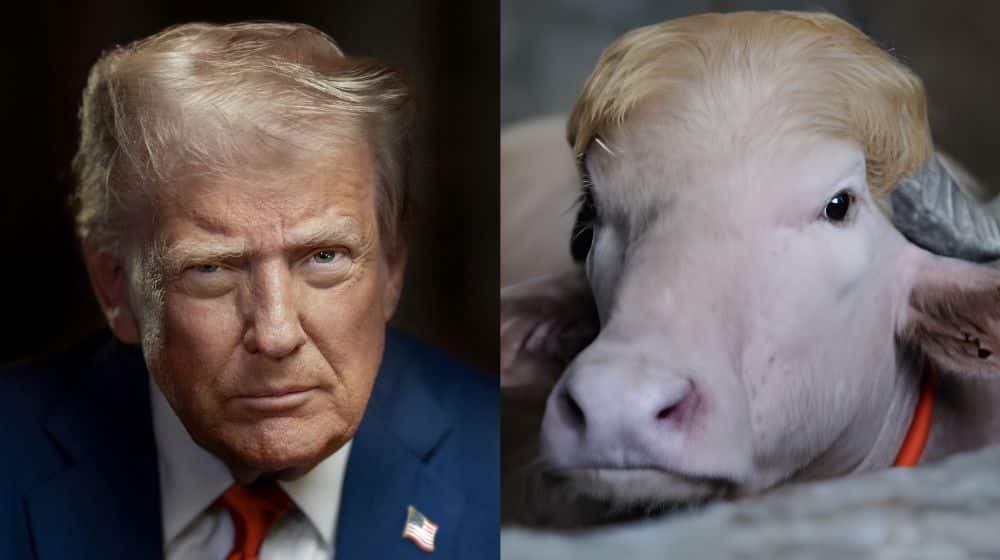
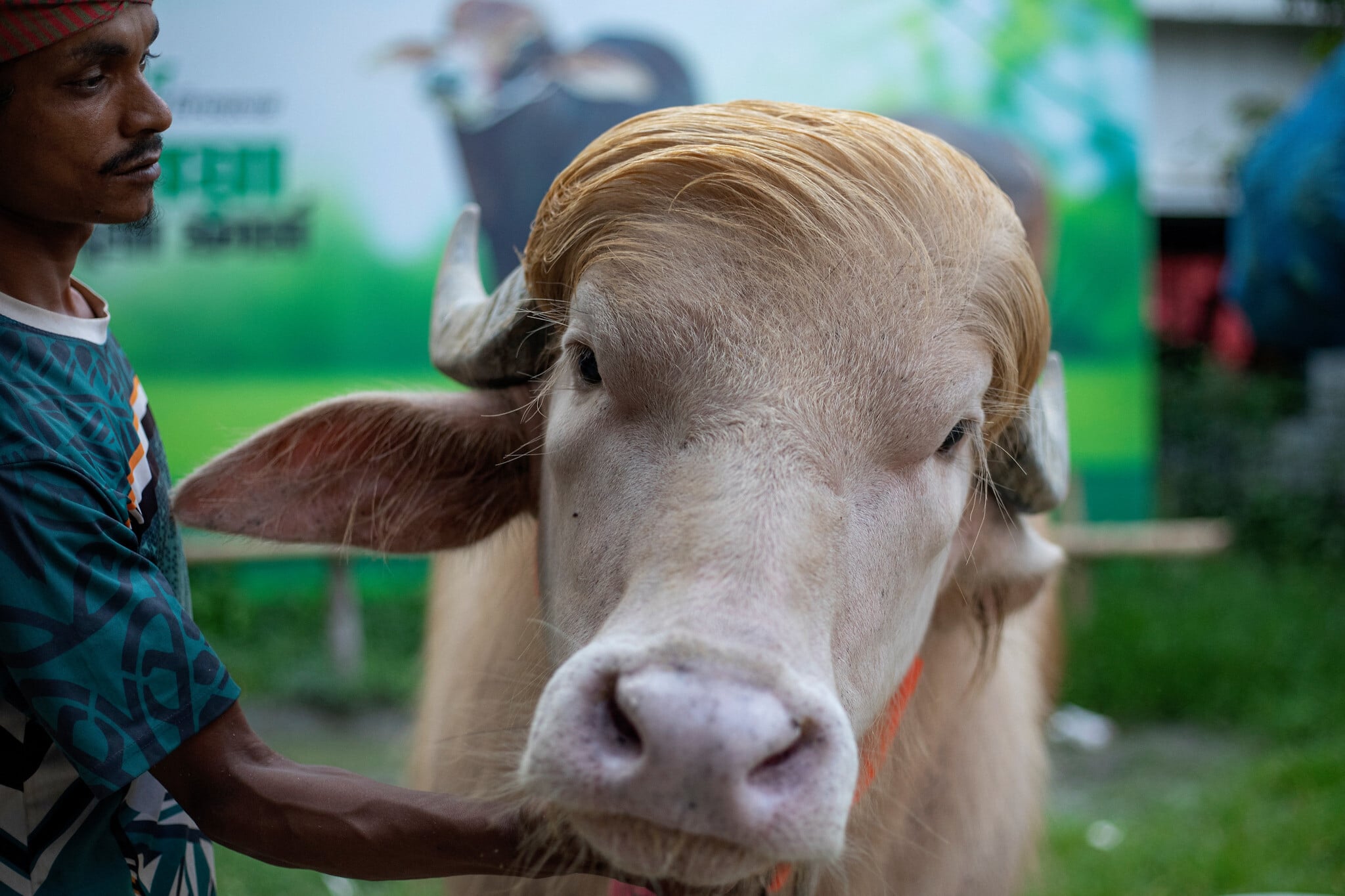
A rare albino buffalo in Bangladesh, nicknamed “Donald Trump” due to its distinct blond tuft, has successfully escaped ritual sacrifice following a calibrated government intervention. This nearly 700-kg animal had been sold for sacrifice during the Eid festival. However, authorities intervened at the final hour. Specifically, Bangladesh Home Minister Salahuddin Ahmed ordered the buffalo’s preservation. Consequently, the buyer received a full refund, and the animal is now being relocated to the National Zoo in Dhaka.
Viral Momentum and Public Security
The buffalo became a national catalyst for discourse after social media videos highlighted its unusual blond fringe and gentle temperament. Large crowds began congregating at the farm, creating a baseline for security concerns during the busy festive season. The farm owner, Ziauddin Mridha, noted that the animal requires specialized care, including frequent feeding and regular maintenance. Furthermore, the decision to halt the sacrifice was driven by the extreme public interest generated by this unique specimen.

The Translation: Deconstructing the Logic
While the nickname “Donald Trump” provided the viral hook, the structural reason for government intervention was two-fold: public safety and biodiversity preservation. Albino buffaloes represent a genetic rarity in South Asia, where livestock is typically dark-colored. By intervening, the government transformed a private commodity into a national asset. This move reflects a precision-based approach to managing public sentiment while prioritizing the protection of an animal that has become a symbolic figure of interest.
The Socio-Economic Impact
How does this development affect the local ecosystem? For the average citizen, this event serves as a lesson in the economic value of biodiversity. The farm owner benefited from increased visibility, but the transition to a state-managed facility ensures the animal’s long-term survival. For the public, it reinforces the concept that high-interest assets—even in the livestock sector—can trigger systemic changes in standard cultural practices. This intervention demonstrates that government agility can effectively respond to social media trends to ensure public order.

The Forward Path: An Expert Opinion
This development represents a Momentum Shift in how rare livestock is perceived in the region. Traditionally, Eid livestock is viewed through a lens of utility. However, the preservation of this rare albino buffalo indicates a growing recognition of biological uniqueness over ritual consumption. Moving forward, such interventions should be codified into a strategic framework for wildlife and livestock conservation. This case proves that precision in government oversight can successfully navigate the intersection of tradition and public curiosity.