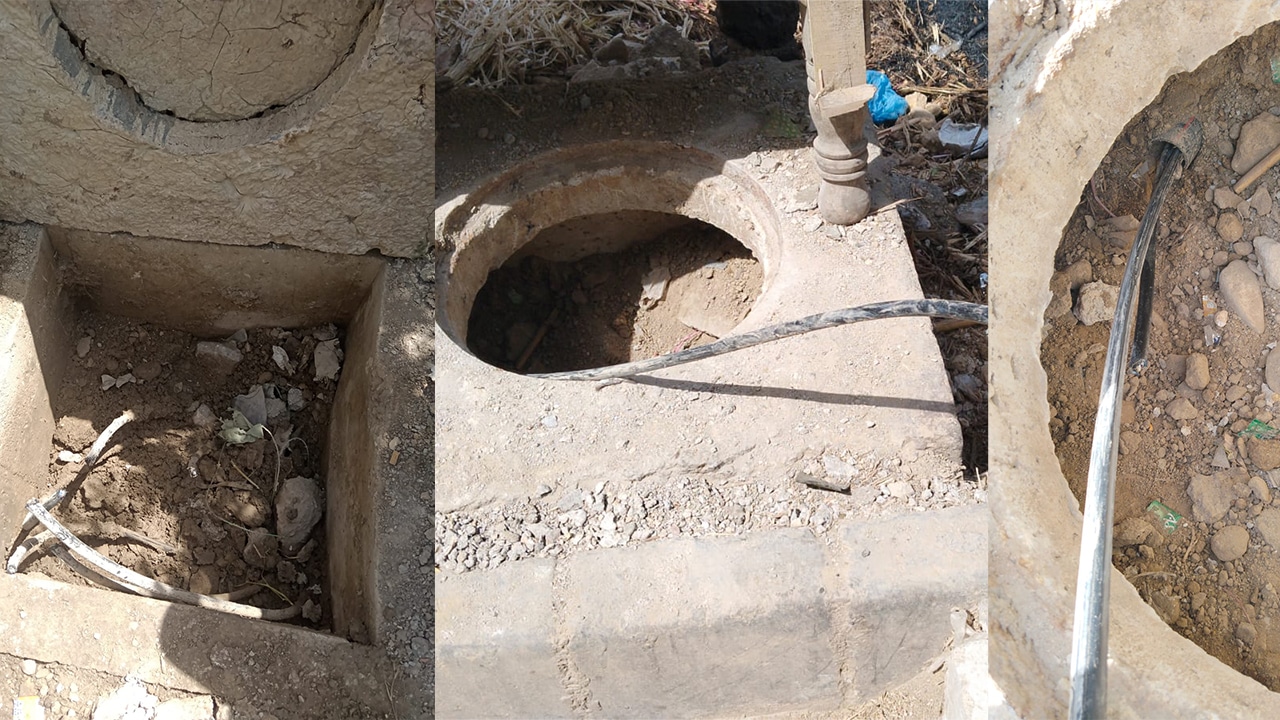
On Eid morning, systemic fibre infrastructure sabotage targeted three specific locations in Gulzar-e-Hijri, Karachi. Consequently, thousands of StormFiber subscribers lost connectivity during a period of peak household reliance. This calculated disruption originated from unlicensed operators attempting to undermine licensed market competition through physical destruction of property.
The Translation: Calibrating the Logic of Disruption
Informal cable operators often lack the precision and technical baseline to compete with high-speed fiber-optic technology. Consequently, these unlicensed entities resort to “physical interference” to retain their local monopolies. By severing underground lines, they attempt to force users back to outdated, unreliable services. Notably, this incident was not random; the timing was calibrated to inflict maximum social pressure during a major national holiday.
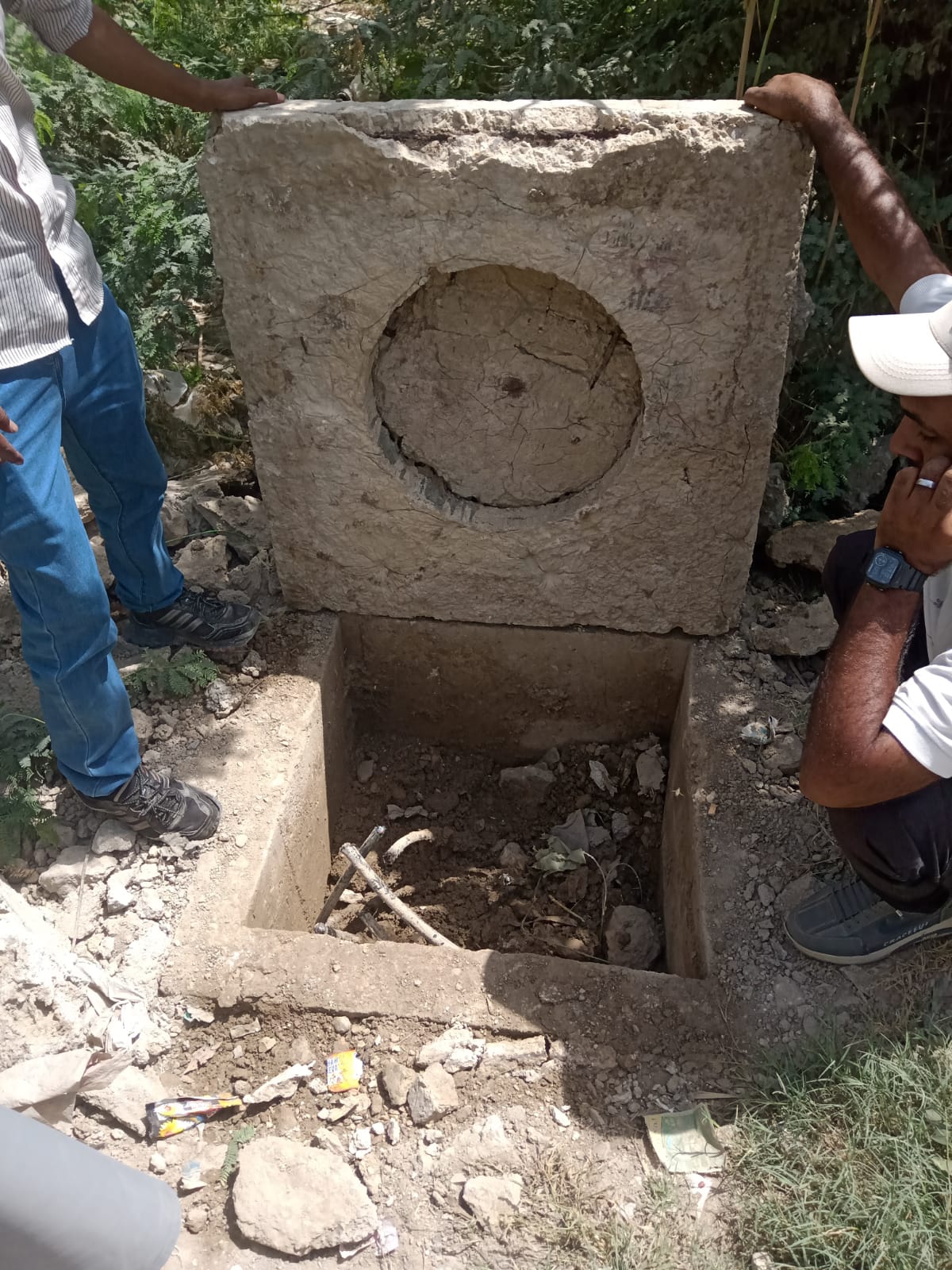
Structural Risks of Fibre Infrastructure Sabotage
StormFiber field teams mobilized within hours to mitigate the impact. They executed a rapid splicing operation to restore the damaged segments effectively. Furthermore, the operator confirmed that all affected users were back online by the end of the day. However, the recurring nature of these attacks highlights a structural vulnerability in how we protect our national digital assets.
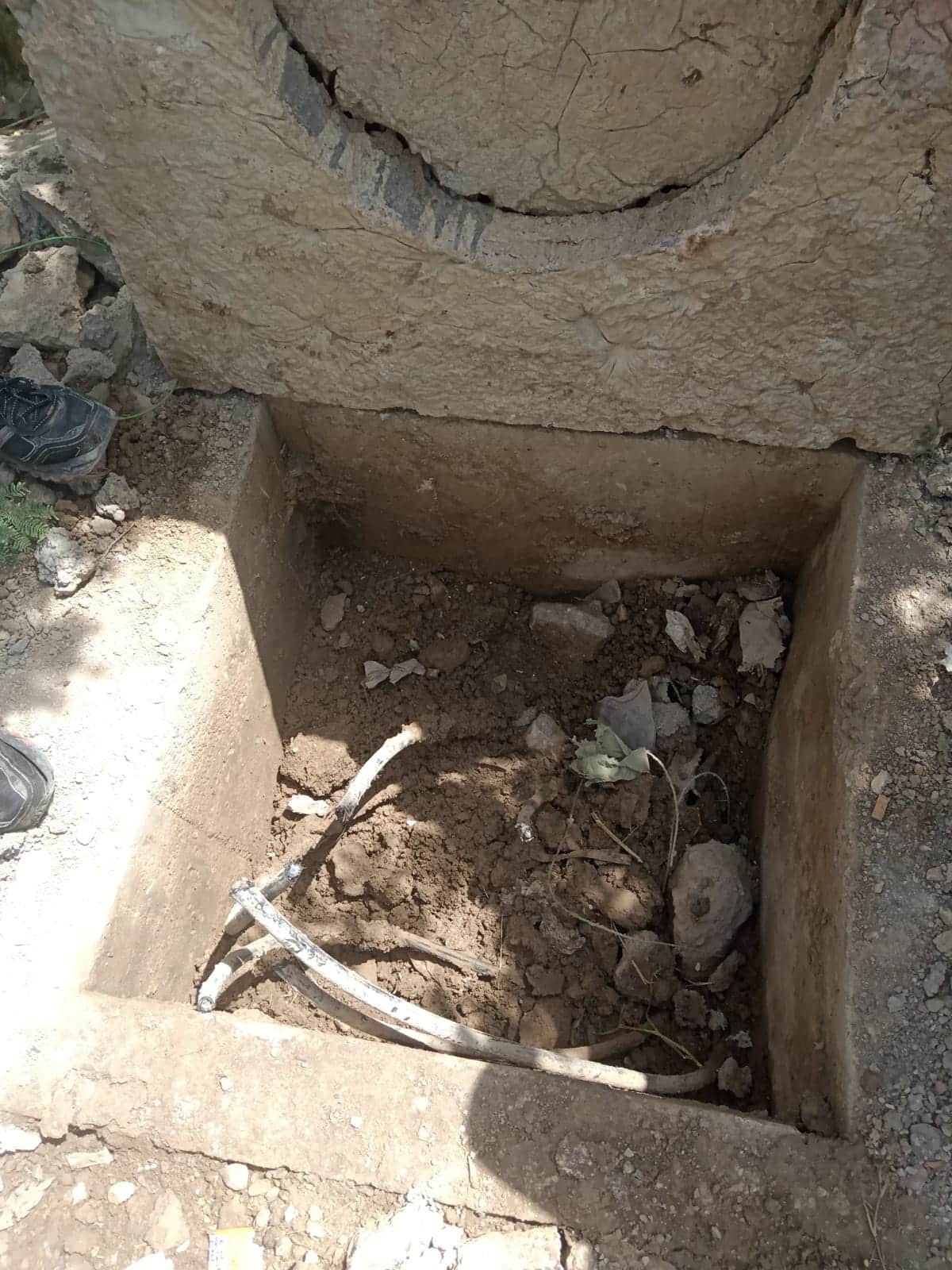
The Socio-Economic Impact: The Cost of Disruption
For the average Pakistani citizen, these outages represent more than a minor inconvenience. In a digital-first economy, internet access is the catalyst for family communication, remote professional duties, and financial transactions. When unlicensed operators disrupt this flow, they jeopardize the economic stability of households that depend on seamless connectivity. Moreover, such acts deter long-term foreign investment in our telecommunications sector.
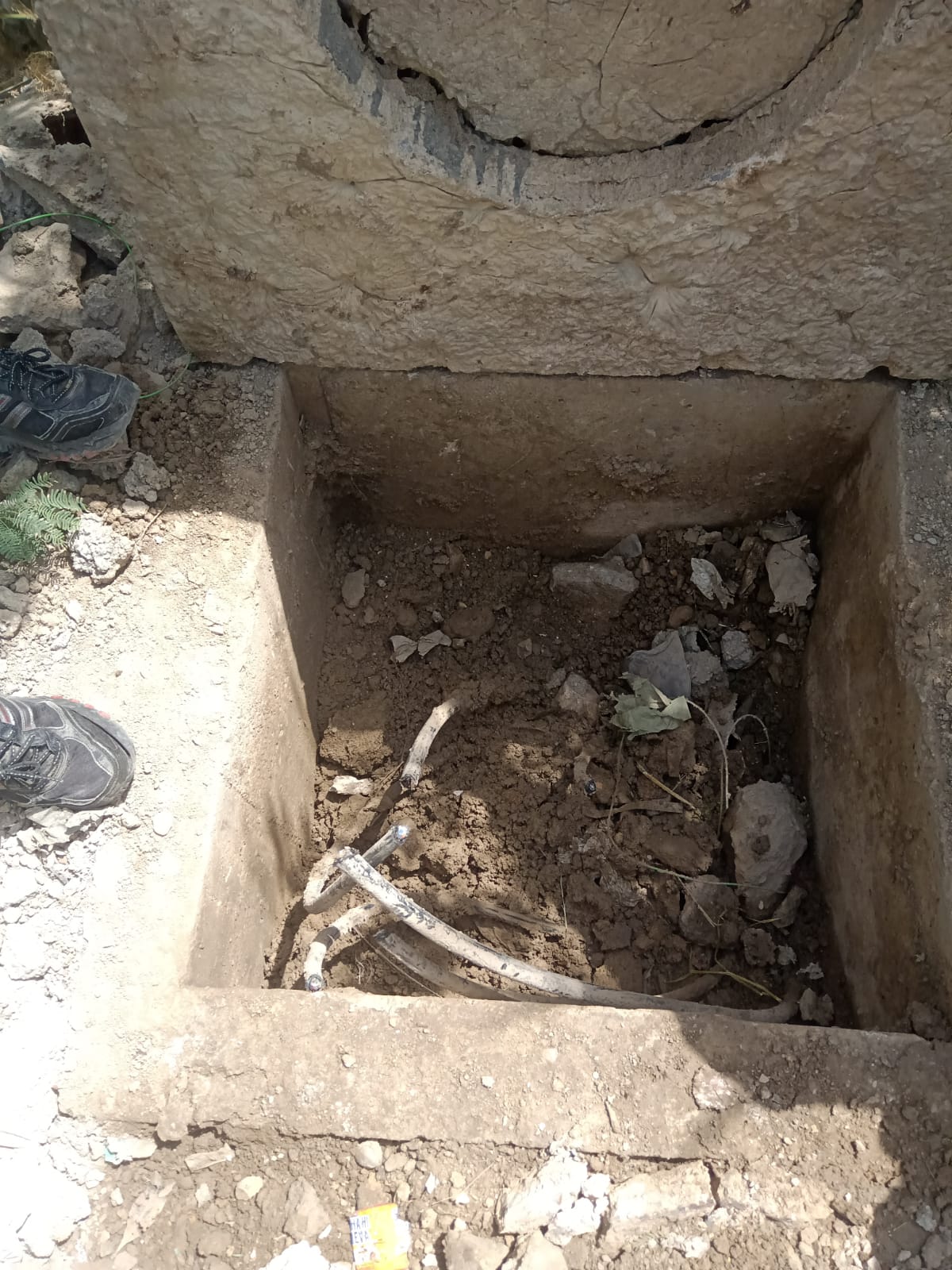
The Forward Path: A Stabilization Move
This development represents a Stabilization Move rather than a momentum shift. While the restoration was efficient, the underlying issue remains unaddressed. We must treat licensed telecom networks as critical national infrastructure. Consequently, law enforcement agencies and regulators must enforce stricter penalties for those who sabotage these systems. A “Digital Pakistan” cannot thrive if informal actors can sever the nation’s progress at will.
- Entity Impacted: StormFiber Underground Infrastructure
- Location: Gulzar-e-Hijri, Karachi
- Root Cause: Sabotage by unlicensed cable operators
- Status: Services fully restored