
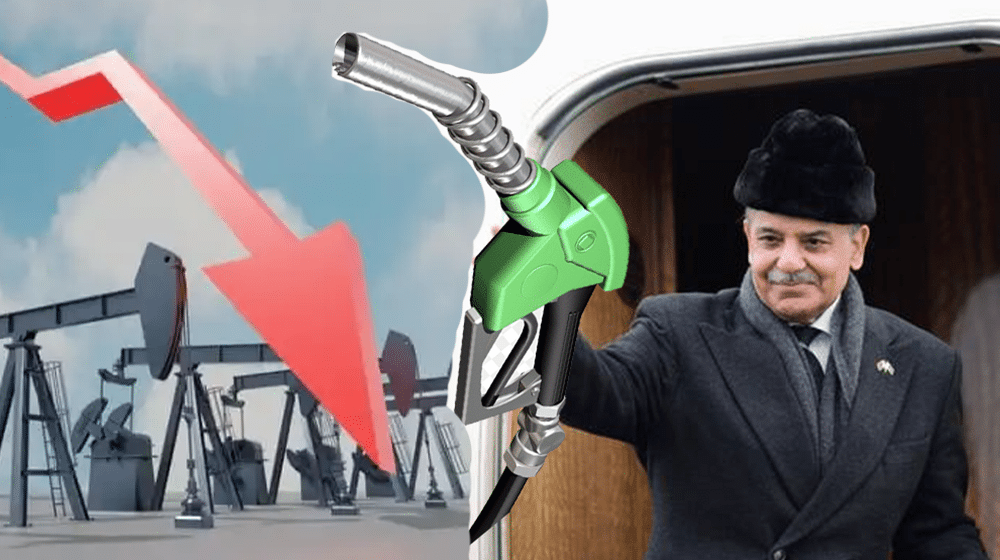
The global energy landscape shifted significantly on Wednesday as crude benchmarks calibrated to a new baseline below $90 per barrel. While international markets signal immediate relief, the structural floor for Pakistan petrol prices remains a critical point of contention for national economic planners. This downward trend emerged as diplomatic optimism regarding a U.S.-Iran framework agreement outweighed ongoing regional tensions.
Strategic Mediation and the Strait of Hormuz Baseline
Market participants reacted decisively to reports of a temporary 60-day framework agreement between Washington and Tehran. Pakistan’s strategic mediation efforts served as a catalyst for this diplomatic pivot, potentially easing the supply-chain disruptions in the Strait of Hormuz. Consequently, the U.S. benchmark WTI crude plummeted over 4 percent to $89.83 per barrel, while Brent crude fell to $95.94, maintaining a trajectory below the $100 mark for three consecutive sessions.
The Situation Room: Expert Analysis
The Translation: Breaking Down the Rs. 400 Threshold
In technical terms, the crash in Pakistan petrol prices is not a linear outcome of global drops. While Brent crude is retreating, the domestic pricing mechanism is a complex equation of the previous fortnight’s average, currency parity, and the Petroleum Development Levy (PDL). Although global prices are under $90, the government’s requirement for fiscal stabilization often creates a lag between international market crashes and local pump relief.
The Socio-Economic Impact: Pressure on the Pakistani Citizen
For the average Pakistani professional and household, fuel costs represent the primary driver of inflationary pressure. Sustained prices above Rs. 400 per litre increase the baseline cost of logistics, directly impacting the price of essential commodities. A precision adjustment in fuel rates would provide immediate psychological and financial relief to the middle class, potentially stimulating domestic consumption in an otherwise restricted economy.
The Forward Path: A Stabilization Move
This development represents a Stabilization Move rather than a total momentum shift. While the global drop is a positive catalyst, Pakistan’s internal fiscal constraints suggest that the authorities may prioritize revenue collection over aggressive price cuts. We must observe if the state leverages this window to bolster reserves or passes the precision-calculated relief to the public on Friday.
- WTI Crude: Dropped to $89.83 per barrel.
- Brent Crude: Fell 3.66% to $95.94 per barrel.
- Mediator Role: Pakistan’s diplomatic involvement in U.S.-Iran talks.
- Friday Deadline: The next scheduled revision for domestic fuel rates.








