
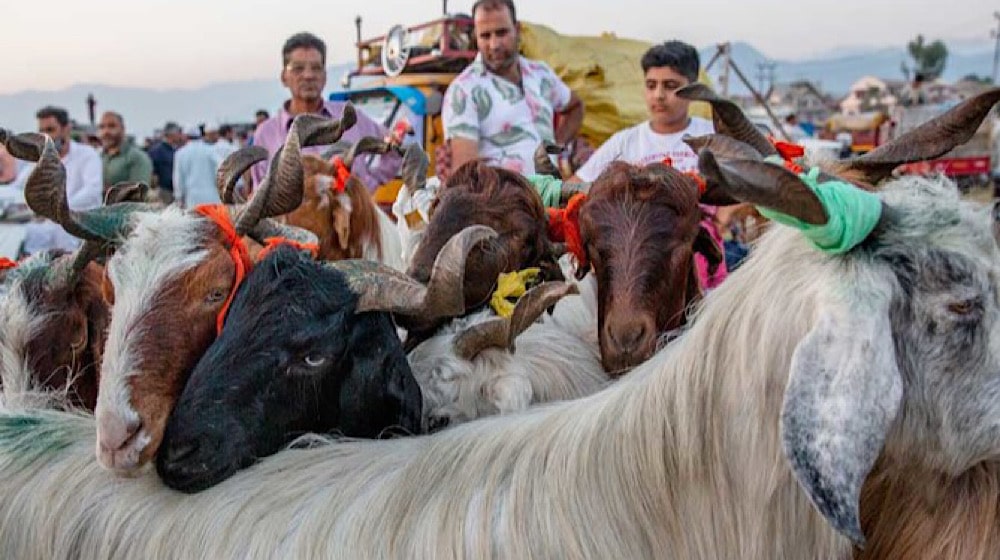
Maintaining regional stability requires a calibrated approach to public mobility during high-density festive periods. Consequently, the Quetta district administration has implemented strategic closures of several Quetta picnic spots during the Eid-ul-Azha holidays. This structural decision aims to optimize the security baseline amidst a shifting law and order landscape. Deputy Commissioner Mehrullah Badini authorized these restrictions to ensure that public safety remains the primary operational catalyst for the city.
The Regional Impact on Quetta Picnic Spots
The administration has identified several key geographic hubs that require immediate access restriction to maintain systemic order. These locations represent significant recreational assets that typically experience heavy tourist surges. The following sites are currently under a temporary ban:
- Hina Uruk and Hina Lake: Primary water-based recreational zones.
- Chiltan National Park: A critical ecological and tourism sector.
- Sarah Khwera and Karkhessa: Regional hotspots for local commuters.
- Shaban: A popular destination for seasonal visitors.
Deputy Commissioner Badini has directed relevant Station House Officers (SHOs) to enforce these protocols with precision. Authorities will turn back any individuals attempting to visit these recreational sectors to prevent security volatility. The administration demands strict adherence to these directives to ensure a stabilized environment for all citizens.
The Situation Room Analysis
The Translation: Security Containment Logic
The district administration is transitioning from a reactive posture to a proactive security containment model. By restricting access to these Quetta picnic spots, officials are effectively reducing the “attack surface”—a precision tactic used to concentrate law enforcement resources on high-traffic urban centers. This ensures that security personnel are not overextended across remote geographical points during the Eid surge.
The Socio-Economic Impact
While these measures ensure physical safety, they create a temporary decelerator for the local peri-urban economy. Small-scale vendors and transport providers who rely on the Eid tourism surge will see a baseline shift in revenue. For the average Pakistani citizen, this necessitates a pivot toward home-centric celebrations. However, the preservation of life and property remains the ultimate metric for societal progress in the Quetta region.
The Forward Path: A Stabilization Move
This development represents a Stabilization Move. While restrictive, it reflects a disciplined focus on preserving the current peace baseline during a high-risk window. To transition toward a “Momentum Shift,” future infrastructure must integrate smart surveillance and automated threat detection. Such technological integration would allow these natural catalysts for tourism to remain accessible even during heightened security cycles.








