
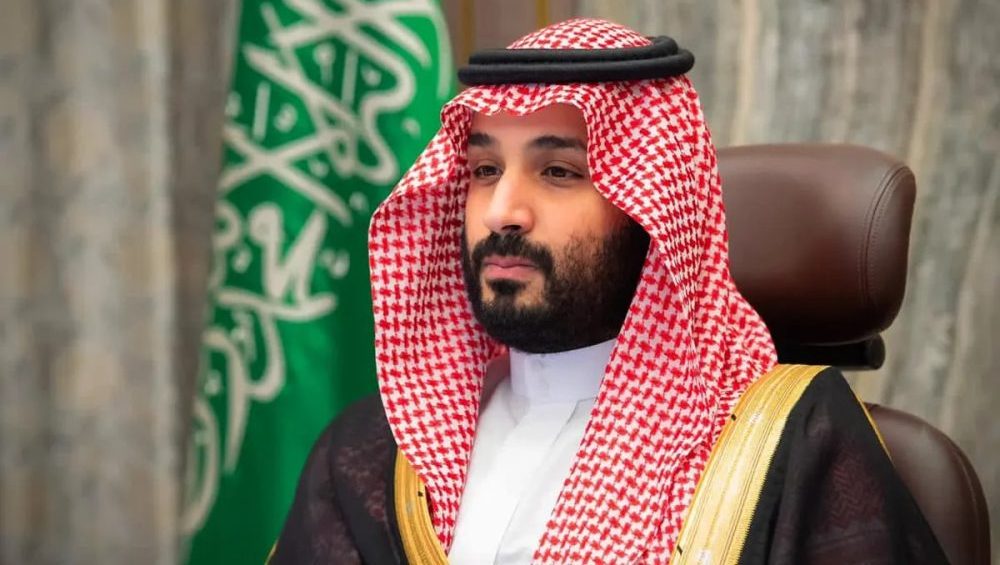
The geopolitical architecture of the region is undergoing a precision recalibration, specifically concerning the prospect of Middle East Normalization. Recent reports from Mike Evans, an evangelical leader and Trump ally, indicate that Crown Prince Mohammed bin Salman (MBS) is prepared to recognize Israel immediately. However, a significant structural obstacle remains: the traditionalist stance of his father, King Salman. This internal Saudi friction serves as the baseline for a broader diplomatic push by the Trump administration to expand the Abraham Accords.
The Internal Catalyst for Middle East Normalization
During a two-hour strategic session, Evans noted that MBS expressed a readiness to pivot toward Israel. Consequently, the conversation highlighted a generational divide within the Saudi monarchy. While the Crown Prince views normalization as a pragmatic catalyst for economic progress, King Salman maintains the traditional Saudi requirement for a Palestinian settlement. This internal tension creates a complex baseline for any future regional alignment.
Furthermore, Trump has intensified his efforts to integrate countries like Pakistan, Qatar, and Turkey into this diplomatic framework. The former president reportedly urged several Muslim-majority states to move toward normalization if a deal to end regional conflict is achieved. Trump’s leverage with Riyadh remains a critical variable in this calibrated diplomatic strategy.
The Situation Room Analysis
The Translation: Geopolitical Logic
In “Next Gen” clarity, this situation represents a clash between structural tradition and economic pragmatism. King Salman represents the old guard, where recognition is a final reward for Palestinian statehood. In contrast, MBS views Israel as a strategic partner in technology and security against common regional threats. Trump is attempting to use this internal opening to create a unified Sunni bloc aligned with Western interests.
The Socio-Economic Impact
For the average Pakistani citizen, these developments are not merely external news. A shift in regional alignment directly affects:
- Global Trade Corridors: Increased stability often leads to new infrastructure investments and energy security.
- Labor Markets: Changes in Saudi-Israel relations could redefine the economic landscape of the Middle East, where millions of Pakistanis are employed.
- National Policy: Pakistan faces mounting pressure to calibrate its own foreign policy to remain synchronized with regional power shifts.
The Forward Path: Momentum Shift
This development represents a Momentum Shift. The move toward normalization is no longer a question of “if,” but “when.” The transition from King Salman to MBS will likely serve as the ultimate catalyst for a total reconfiguration of Middle East diplomacy. While current obstacles are significant, the precision with which the Trump administration is targeting these regional nodes suggests a highly coordinated effort to bypass traditional diplomatic deadlocks.








