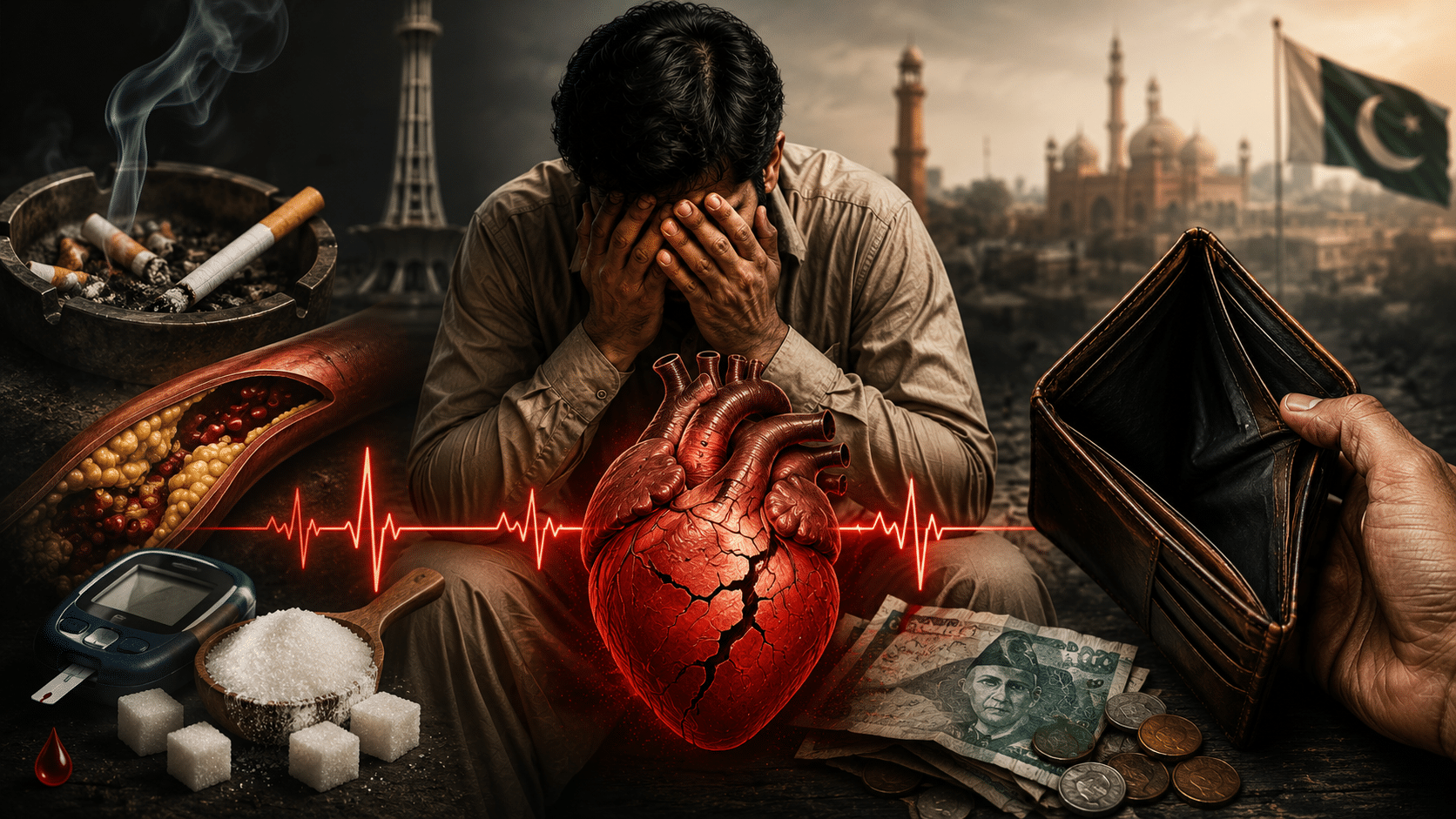
Modern physiological data reveals that financial heart risk is now a critical determinant of cardiovascular longevity. Recent large-scale studies involving 400,000 participants confirm that chronic economic instability triggers a systemic biological breakdown. Consequently, the constant stress of financial scarcity acts as a catalyst for severe cardiac events, often matching the damage caused by traditional risk factors like hypertension or tobacco use.
Analyzing the Systemic Financial Heart Risk
Researchers have identified that persistent financial worries keep the human body in a calibrated “threat mode.” This state forces the endocrine system to release elevated levels of stress hormones. Specifically, these hormonal spikes disrupt sleep cycles and increase baseline blood pressure. Furthermore, this prolonged physiological tension triggers internal inflammation, which gradually erodes the structural integrity of the cardiovascular system.

The Biological Mechanics of Economic Stress
- Inflammatory Response: Chronic stress induces metabolic changes that damage blood vessels.
- Lifestyle Degradation: Financial scarcity often forces individuals into poor dietary choices and reduced physical activity.
- Immune Dysregulation: The body’s defense mechanisms become compromised under the weight of constant survival anxiety.
Moreover, the study indicates that long-term economic difficulty correlates directly with higher frequencies of strokes and heart failure. While scientists maintain that high cholesterol and sugar remain dangerous, the physiological impact of poverty creates a comparable baseline for cardiac deterioration.
The Translation: From Scarcity to System Failure
In “Next Gen” terms, your heart functions like a high-precision engine. Financial stress acts as “low-quality fuel” that causes the engine to overheat and wear out prematurely. When we speak about “threat mode,” we are describing a body that never exits its emergency protocol. This constant state of high-alert prevents the body from performing essential maintenance, leading to structural failures in the heart and arteries.
The Socio-Economic Impact: A National Health Crisis
This development significantly affects the daily life of every Pakistani professional and household. For the urban worker or rural laborer, a lack of financial security is no longer just a budget issue; it is a clinical health hazard. The findings suggest that improving the national economy is a public health necessity. Consequently, until economic stability is achieved, Pakistani citizens will remain at a higher risk for cardiovascular diseases, regardless of their diet or exercise habits.
The Forward Path: A Stabilization Move
We categorize these findings as a Stabilization Move. While identifying the link between wealth and health is progress, it highlights a structural vulnerability in our national framework. Pakistan must integrate financial literacy and economic safety nets into its public health strategy. Precision healthcare requires us to treat the economic environment with the same urgency as a viral outbreak to ensure long-term national vitality.