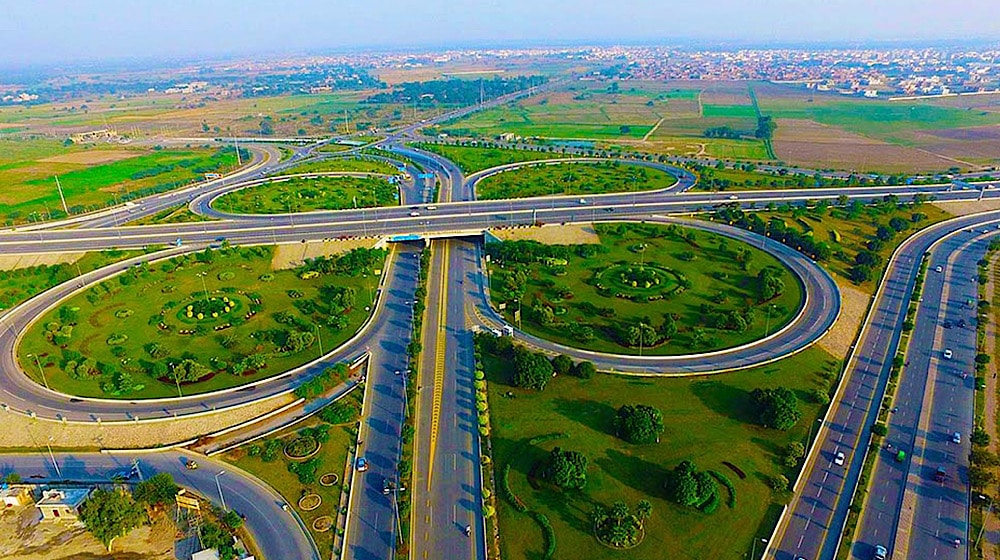
The Punjab Industrial Estates Development and Management Company (PIEDMC) has officially recalibrated its regional strategy by approving the Rawalpindi Industrial Estate along the Ring Road corridor. This strategic pivot replaces the previously proposed economic zone, ensuring development remains viable despite international fiscal constraints. Consequently, the project now moves into a legislative phase to streamline land acquisition for industrial stakeholders.
Calibrating the Economic Corridor: Why the Pivot?
Authorities confirmed that the shift to a Rawalpindi Industrial Estate stems from IMF-related policy limitations regarding tax exemptions. Initially, an economic zone was planned; however, current fiscal constraints prevented the offering of necessary incentives. Therefore, the industrial estate model provides a more practical baseline for progress. The Punjab Assembly will soon review formal legislation to authorize the project, allowing the government to offer land at calibrated, affordable rates to stimulate regional productivity.
Infrastructure Baseline: The Ring Road Progress
The 38.6-kilometer Rawalpindi Ring Road (RRR) project serves as the structural foundation for this industrial hub. Currently, the Rs. 51 billion project is entering its final operational stage, extending from the Banth Interchange on GT Road to the Thalian Interchange. While four major interchanges—Banth, Chak Beli Khan, Adiala, and Chakri—near completion, the main route will facilitate immediate logistical flow by mid-June. Furthermore, the National Highway Authority (NHA) will eventually complete the connecting route from Thalian to Sangjani to ensure seamless connectivity.
- Total Length: 38.6 Kilometers
- Investment: Rs. 51 Billion (Revised PC-I)
- Key Interchanges: Banth, Chak Beli Khan, Adiala, Chakri, and Thalian
- Projected Completion: Mid-June for the main route

The Situation Room Analysis
The Translation (Clear Context)
The transition from a “Special Economic Zone” (SEZ) to an “Industrial Estate” represents a shift from incentive-heavy models to infrastructure-heavy ones. While SEZs rely on tax holidays—which are currently restricted under IMF mandates—the Rawalpindi Industrial Estate focuses on providing high-quality land and utility access. This ensures that industrial growth continues without waiting for international policy shifts.
The Socio-Economic Impact
For the average citizen, this development acts as a catalyst for job creation in Northern Punjab. By relocating heavy industry to the Ring Road corridor, urban centers like Rawalpindi will likely see reduced traffic congestion and pollution. Additionally, the availability of affordable industrial plots empowers local entrepreneurs to scale their operations, lowering the barrier to entry for manufacturing startups.
The Forward Path (Opinion)
This development represents a Momentum Shift. While the loss of tax exemptions might seem like a setback, the pragmatism shown by PIEDMC is commendable. By choosing a viable industrial estate model over a stalled economic zone, the government is prioritizing execution over idealism. This strategic realism is exactly what Pakistan’s industrial sector requires to maintain steady growth in a constrained fiscal environment.