

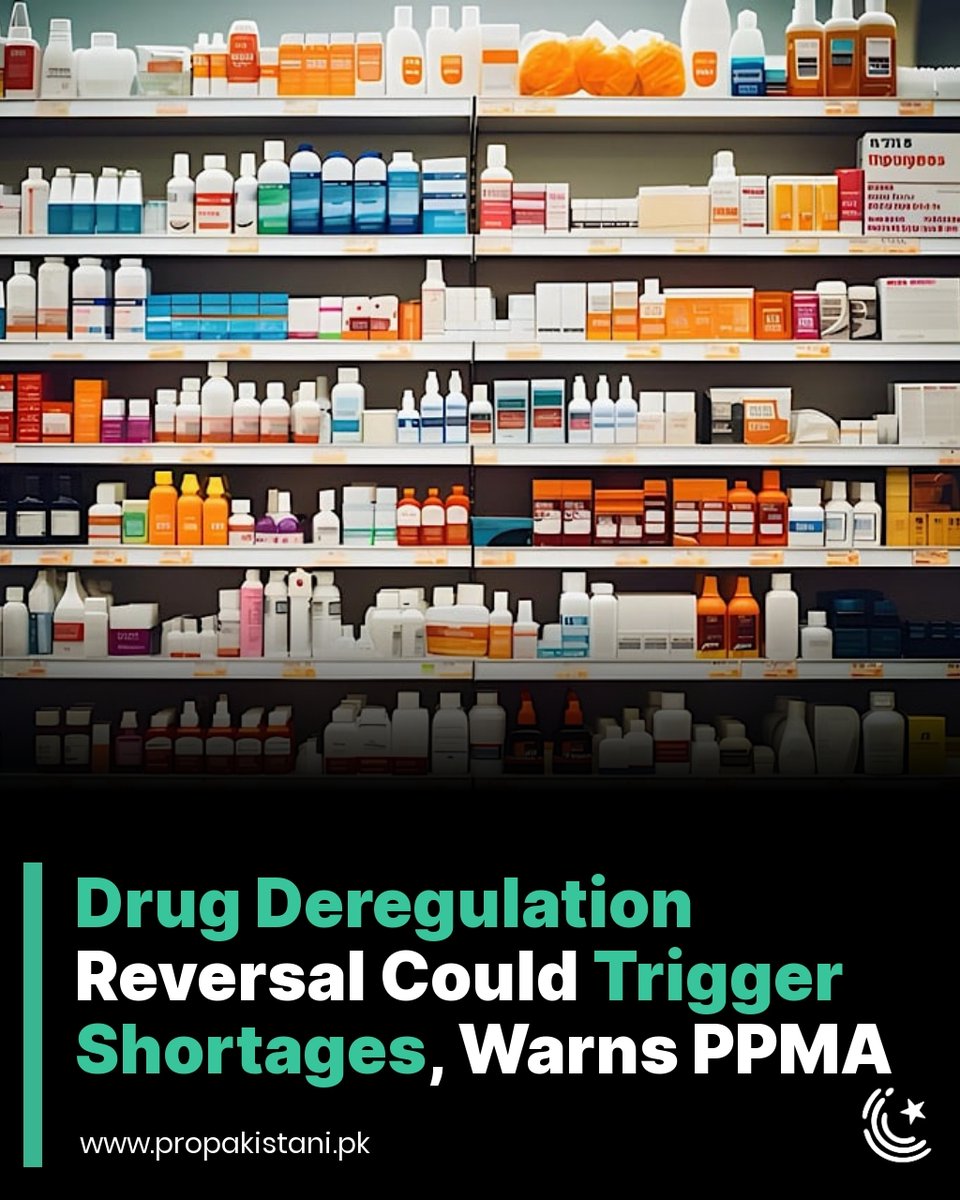
The Pakistan Pharmaceutical Manufacturers Association (PPMA) recently issued a calibrated warning regarding the potential reversal of medicine price deregulation. This policy shift threatens to destabilize a sector that recently achieved a 34% growth in exports, rising to $450 million in 2025. Industry leaders argue that returning to strict price controls will inevitably trigger medicine shortages, factory closures, and a sharp decline in investor confidence across the healthcare landscape.
Why Medicine Price Deregulation Powered Export Growth
Since its implementation in 2024, the deregulation framework served as a strategic catalyst for industrial expansion. Manufacturers utilized the resulting financial flexibility to invest in precision-engineered production facilities. Consequently, these plants now meet rigorous international standards, including World Health Organization (WHO), PIC/S, and European Union Good Manufacturing Practice benchmarks. These upgrades allow Pakistani firms to compete in high-value regulated markets like the United States, Canada, and Australia.
Furthermore, the current framework improved domestic supply chains by incentivizing the production of high-quality therapeutics. By allowing market-driven pricing for non-essential medicines, the government effectively reduced the circulation of counterfeit products. This systemic improvement ensured that citizens had access to safe, authentic medication while supporting the operational baseline of local manufacturers.
The Structural Risk of Policy Reversal
Historical data reveals that strict price controls previously decimated the local pharmaceutical ecosystem. Over the last decade, global giants such as Pfizer, Novartis, Sanofi, and Bayer either downsized or exited Pakistan entirely. These firms cited an unsustainable pricing environment as the primary reason for their departure. Reverting to these outdated controls could force remaining manufacturers to halt production, creating a dangerous vacuum in the healthcare market.
- Export Volatility: A potential collapse of the $450 million export trajectory.
- Supply Chain Fragility: Increased risk of life-saving medicine shortages.
- Capital Flight: Reduced foreign and local investment in manufacturing technology.
The Translation
In technical terms, deregulation removed “price caps” on medicines that are not deemed life-saving or “essential” by the WHO. This allowed companies to adjust prices based on the rising costs of raw materials and energy. This logic mirrors global economic standards where competition, rather than government mandates, dictates pricing. By reversing this, the government would essentially force companies to sell products at a loss, which is mathematically unsustainable for any precision-driven industry.
The Socio-Economic Impact
For the average Pakistani citizen, this policy shift is a double-edged sword. While price controls aim to lower immediate costs, they often result in “black market” premiums when legal supplies vanish from pharmacy shelves. If factories close, thousands of high-skilled STEM jobs are at risk. Conversely, a stable pharmaceutical sector ensures that households have a reliable supply of authentic, locally produced medicine, shielding them from the dangers of low-quality smuggled alternatives.
The Forward Path
This development represents a critical Momentum Shift that could unfortunately trend toward regression. To maintain our current trajectory, policymakers must safeguard the deregulation framework. Strengthening the industry’s export capacity is the only sustainable way to bring foreign exchange into Pakistan while ensuring domestic health security. Stabilization requires consistency; changing the rules mid-game will only fracture our industrial foundation.








