

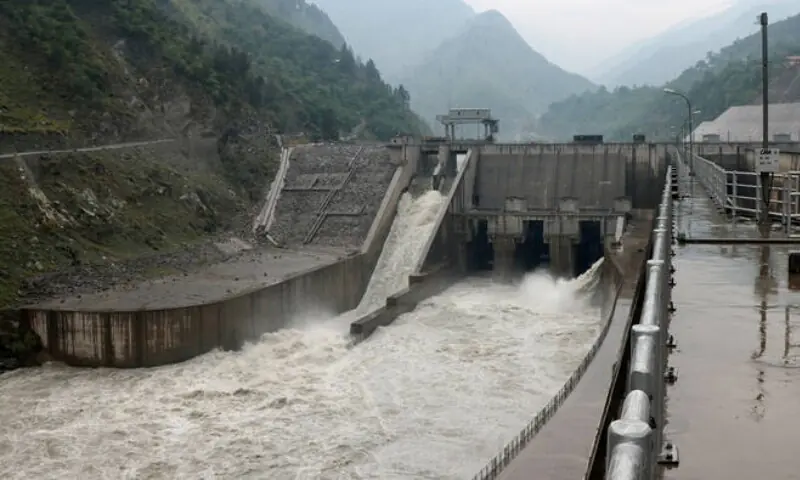
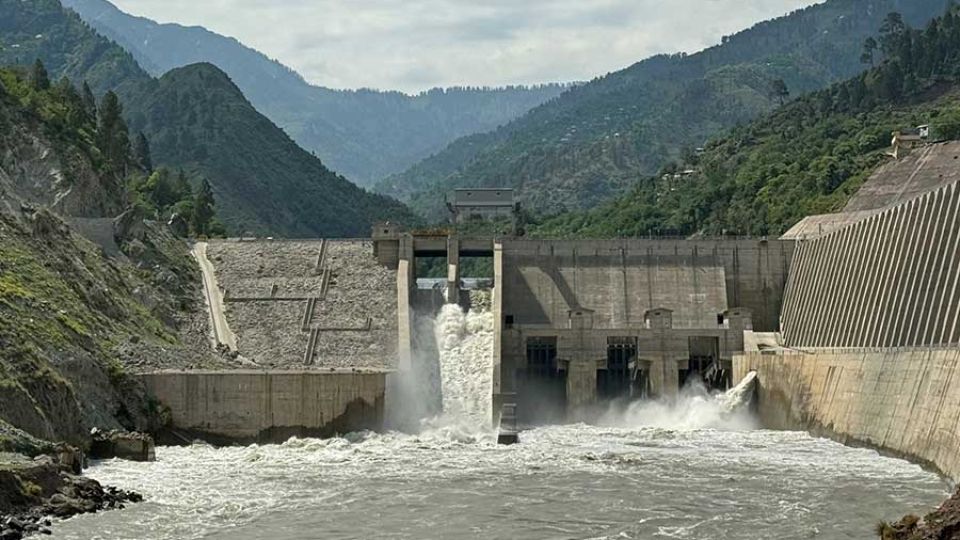
The federal government is calibrating a specialized Wapda Security Force to safeguard Pakistan’s critical water infrastructure and ensure the safety of essential personnel. This strategic initiative, proposed under the Wapda Security Force Act 2026, focuses on protecting high-stakes developments like the Dasu Hydropower project. Consequently, this specialized unit will provide a permanent security baseline for assets that traditionally lacked a dedicated protection framework.
Structural Resilience for the Wapda Security Force
According to the draft law, this force will operate under a Director General, likely selected from the armed forces to ensure precision and discipline. The Wapda Security Force will manage its own uniform, insignia, and official stamp while maintaining operational control within Wapda. Furthermore, the unit will secure dams, powerhouses, and residential facilities, coordinating directly with local police and Rangers in high-risk zones.
The Translation: Technical Clarity
Historically, water projects were secured through a fragmented system of local law enforcement and temporary military deployments. The “Wapda Security Force Act” modernizes this approach by centralizing authority. It essentially creates a “Internal Security Division” specifically for water resources, mirroring the successful CPEC security models. By granting this force legal indemnity and placing it under the Essential Services Act, the government ensures that protection duties remain uninterrupted by industrial disputes or civil litigation.
The Socio-Economic Impact
This development directly impacts the daily lives of Pakistani citizens by stabilizing project timelines. When infrastructure projects like Dasu face security delays, the resulting cost escalations and power shortages strain the national economy. A dedicated security presence mitigates these risks, ensuring that water and energy supply targets are met. For the local professional, it translates to a safer working environment, while for households, it means a more reliable baseline for national resource distribution.

The Forward Path: Strategic Momentum
This represents a Momentum Shift for Pakistan’s infrastructure management. By moving away from reactive security measures toward an institutionalized, permanent force, the state is signaling a long-term commitment to structural efficiency. This proactive alignment is a necessary catalyst for attracting continued international investment and ensuring the successful completion of the nation’s most vital hydraulic assets.








