
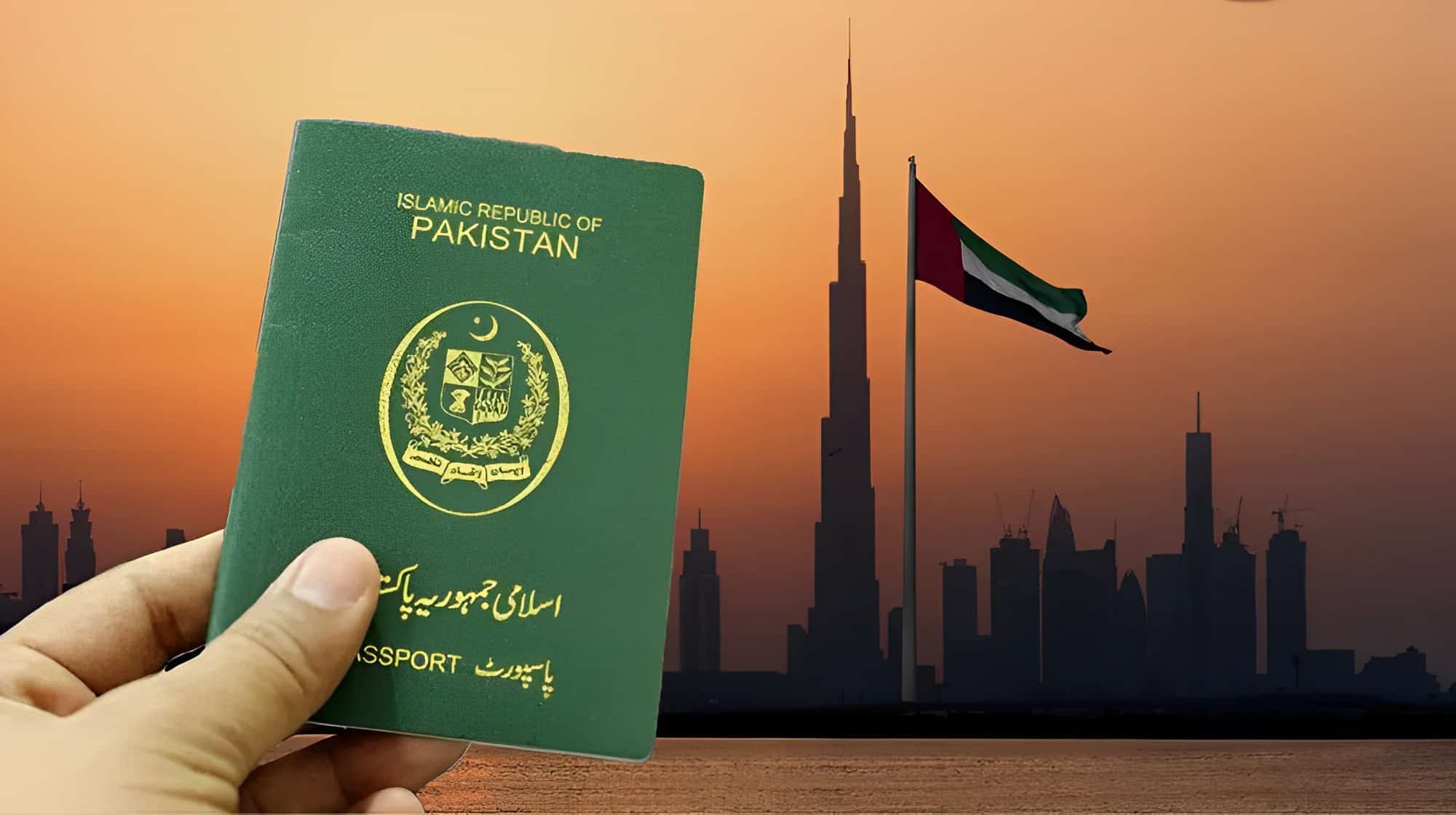
The Government of Pakistan officially refuted UAE deportation claims during a recent Senate session, dismissing allegations of systematic targeting against our nationals. Minister for Parliamentary Affairs Tariq Fazal Chaudhry clarified that authorities have verified only 3,494 deportations, a figure significantly lower than opposition estimates. Consequently, the state maintains that these actions stem from standard administrative procedures rather than a shift in diplomatic policy.
Analyzing the Reality of UAE Deportation Claims
The Senate debate intensified as opposition leaders expressed deep concerns regarding the economic stability of Pakistani workers abroad. Senator Raja Nasir Abbas highlighted reports suggesting that nearly 164,000 citizens faced expulsion. Furthermore, he noted that many individuals from Kurram and southern Punjab struggled to access their financial assets following these developments.
In contrast, the government presented a more calibrated data set. Minister Chaudhry emphasized that over two million Pakistanis reside in the UAE, forming the second-largest expatriate community. He stated that current deportations involve specific legal infractions, including residency violations or criminal activities. Moreover, some cases resulted from employment losses triggered by fluctuating global economic conditions.
- Verified Deportations: 3,494 individuals.
- Total Population: Over 2 million Pakistanis in the UAE.
- Primary Drivers: Illegal residency, criminal involvement, and economic shifts.
The Translation: Precision Over Speculation
In technical terms, the “calling attention notice” served as a strategic catalyst for transparency. While opposition figures cited large-scale figures to prompt immediate diplomatic action, the Ministry of Foreign Affairs utilized a baseline of verified residency data to contextualize the situation. Essentially, the government is distinguishing between routine law enforcement and a targeted diplomatic crisis.
The Socio-Economic Impact: Protecting the Pakistani Household
For the average Pakistani citizen, these developments directly affect household security and the flow of remittances. Many families in rural Punjab and Khyber Pakhtunkhwa rely exclusively on income generated in the Gulf. Any structural instability in the labor market creates a ripple effect, reducing purchasing power and increasing the burden on the domestic economy during this high-inflation period. Legal support for workers is therefore not just a diplomatic courtesy, but a financial necessity for national stability.
The Forward Path: A Stabilization Move
This development represents a Stabilization Move. By rejecting the narrative of targeted profiling, the government is actively preserving the structural integrity of its bilateral relations with the UAE. Moving forward, the focus must shift toward enhanced diplomatic counseling for overseas workers. Precision in documentation and compliance with host-country laws will remain the most effective catalyst for ensuring the continued success of the Pakistani diaspora.








