
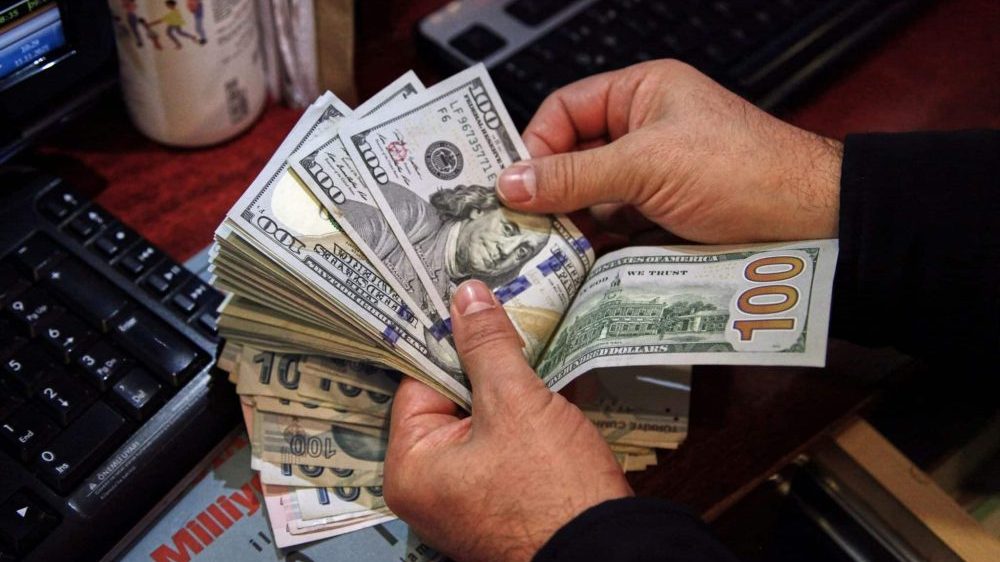
The PKR recovery trend maintained its calibrated momentum on Wednesday, marking the 164th consecutive session of green closes against the US Dollar. The Pakistani Rupee (PKR) secured a marginal gain of one paisa, settling at 278.56. This streak represents a structural baseline for national economic stabilization, providing a catalyst for broader financial predictability in the region.
Structural Analysis: Currency Performance Metrics
During today’s session, the PKR demonstrated precision in its performance against several major global currencies. Consequently, the local unit posted a significant gain of Rs. 1.12 against the Euro (EUR) and strengthened by 29 paisas against the British Pound (GBP). Furthermore, the rupee showed resilience against the Canadian Dollar (CAD) and the Australian Dollar (AUD), gaining 26 and 28 paisas respectively.
Comparative Exchange Rate Baseline
- US Dollar (USD): Closed at 278.56 (Gain: 0.01)
- Euro (EUR): Closed at 322.79 (Gain: 1.12)
- British Pound (GBP): Closed at 372.78 (Gain: 0.29)
- Saudi Riyal (SAR): Closed at 74.23 (Loss: 0.0009)
In contrast, the PKR experienced marginal, precision-level adjustments against the UAE Dirham (AED) and the Saudi Riyal (SAR). These minor fluctuations indicate a high degree of market discipline and a balanced supply-demand mechanism within the interbank landscape.
The Translation: De-coding the Stability
The 164-day streak of the PKR recovery trend is not merely a statistical anomaly. It reflects a calibrated synchronization between central bank interventions and market liquidity. By maintaining a steady value against the USD, the system reduces the “volatility premium” that usually drives up the cost of imports. Essentially, the currency is moving from a state of erratic fluctuation to a zone of calculated equilibrium.
The Socio-Economic Impact: Impact on the Citizen
For the average Pakistani household, this sustained stability acts as a strategic buffer against imported inflation. Students planning for international education can now calculate tuition costs with higher precision. Similarly, professionals in the import-export sector benefit from predictable pricing structures. While the gains are marginal on a day-to-day basis, the cumulative effect prevents the sudden price shocks typically seen in fuel and electricity tariffs.
The Forward Path: Strategic Outlook
This development represents a Stabilization Move rather than a momentum shift toward rapid appreciation. The focus remains on maintaining a structural floor for the currency. To evolve this into a true growth catalyst, Pakistan must now leverage this stability to attract Foreign Direct Investment (FDI). Precision in fiscal policy will be the primary determinant of whether this trend continues through the next quarter.








