

The Structural Integrity of the Academic Calendar
Systemic efficiency depends on a calibrated balance between environmental health safety and educational consistency. On Tuesday, the Lahore High Court (LHC) maintained this baseline by rejecting a request to suspend the provincial government’s notification regarding Punjab summer vacations. Consequently, educational institutions across the province will proceed with the scheduled 90-day break from May 22 to August 23.
Legal Analysis of the Punjab Summer Vacations Ruling
Justice Khalid Ishaq presided over the hearing following a petition from the All Pakistan Private Schools Federation. The federation argued that the extended closure serves as a catalyst for academic regression and increases dropout risks among the student population. Moreover, the counsel requested an immediate interim suspension of the vacation schedule until a final judicial determination.
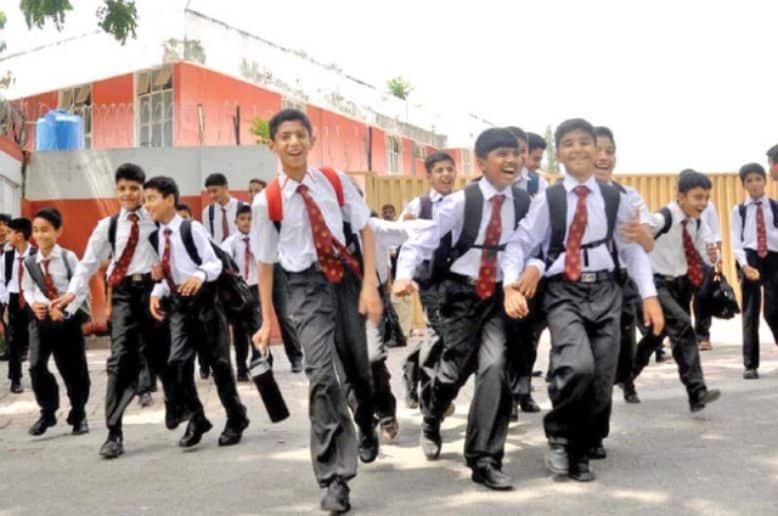
Ultimately, the Court declined to grant immediate relief to the private sector. Instead, the judge issued formal notices to the relevant provincial authorities, directing them to submit comprehensive replies within a two-week window. The federation maintains that the 90-day window disrupts critical examination schedules and weakens students’ engagement with academic frameworks.
The Situation Room: Strategic Breakdown
The Translation
This ruling signifies a “System Baseline” priority. While private institutions view the 90-day closure through the lens of operational and financial friction, the state prioritizes public health safety against extreme seasonal shifts. The Court’s refusal to grant an interim stay suggests that the judicial system currently favors the government’s administrative authority in managing regional climate-related risks over institutional autonomy.
The Socio-Economic Impact
For the average Pakistani household, this decision provides immediate clarity but creates a structural challenge. Students in urban centers may face increased screen time and a loss of learning momentum. Conversely, for rural and lower-income families, the extended break provides a necessary shield against the physical toll of the summer heatwave, though it may exacerbate the digital divide as private schools struggle with financial overheads during the closure.
The Forward Path
This development represents a Stabilization Move. While it provides a predictable schedule for the current season, the friction between the state and the Private Schools Federation highlights a need for a more precision-led academic calendar. Future policy must evolve to include hybrid learning catalysts that maintain academic trajectory without compromising student health during Punjab’s environmental extremes.








