

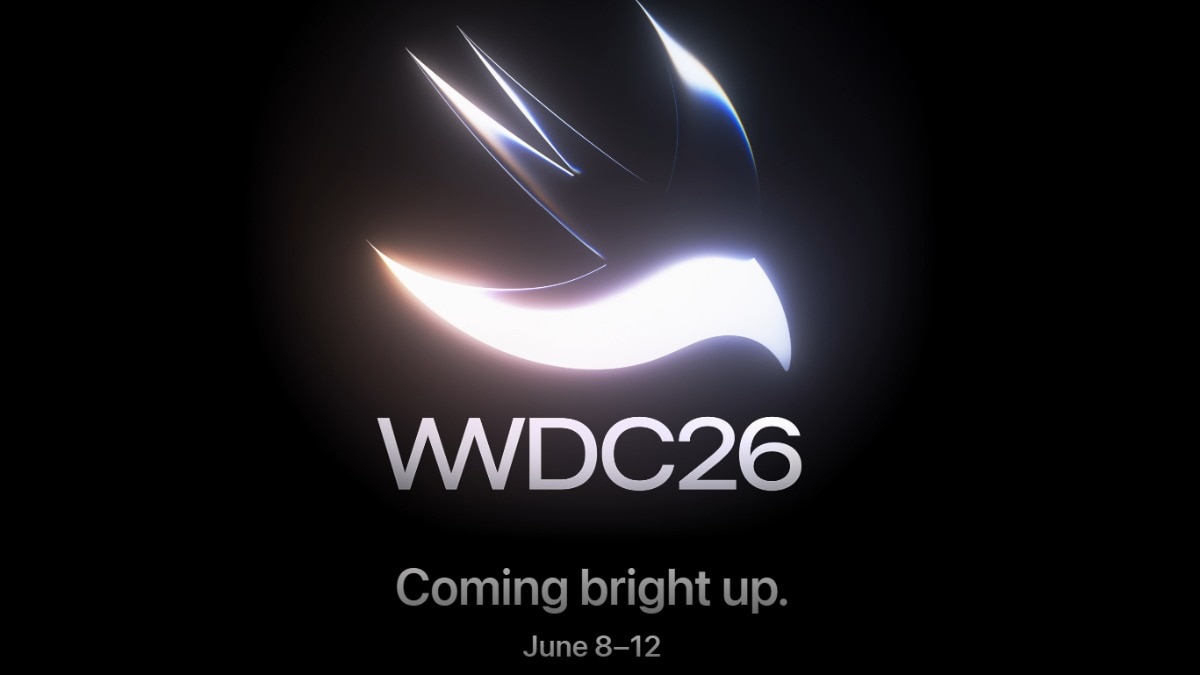
Technological ecosystems thrive on precision and periodic architectural recalibration. Apple has officially confirmed that the Apple WWDC 2026 keynote will commence on June 8, signaling a critical pivot toward integrated artificial intelligence. This annual Worldwide Developers Conference, running through June 12, serves as the primary catalyst for the next generation of software infrastructure across the global hardware landscape. The company has already distributed invitations to the press with the strategic tagline, “Coming bright up.”
Navigating the Apple WWDC 2026 Software Cycle
During the five-day summit, Apple intends to provide developers with a baseline look at its new architectural tools and platform features. The conference focuses heavily on the deployment of iOS 27, iPadOS 27, watchOS 27, and macOS 27. Specifically, the introduction of visionOS 27 will likely indicate how Apple plans to scale its spatial computing ecosystem. Reports suggest that a major Siri upgrade, powered by advanced machine learning, will serve as the event’s structural centerpiece.

The event also retains a significant physical presence despite its robust digital reach. Apple will welcome over 1,000 selected developers, designers, and students to the Apple Park campus in Cupertino. These attendees will engage in direct labs and collaborative sessions with Apple engineers. This interaction ensures that the global developer community can calibrate their applications to the new Apple WWDC 2026 standards effectively.
The Situation Room Analysis
The Translation: System Efficiency Over Hype
While mainstream media focuses on aesthetic updates, the technical reality of Apple WWDC 2026 is a transition toward local-first machine learning. Apple is recalibrating its operating systems to prioritize “Apple Intelligence” as a core system layer rather than a peripheral application. Consequently, this shift transforms Siri from a voice-activated command tool into a proactive, deep-learning assistant capable of cross-app execution. This is not just a software update; it is a structural redesign of how humans interact with silicon.

The Socio-Economic Impact: Empowering the Global South
For Pakistani developers and students, this event marks a baseline shift in the global digital economy. As Apple expands its AI-driven framework, local software engineers gain a strategic roadmap to calibrate their skills for high-value international markets. Furthermore, more efficient software cycles enhance the lifecycle of existing hardware. This system efficiency remains a core economic factor for middle-class Pakistani households seeking long-term value from their technological investments.
The Forward Path: A Momentum Shift
This development represents a definitive Momentum Shift. As Tim Cook approaches what may be one of his final keynotes as CEO, the company is under intense pressure to demonstrate AI dominance. By outlining a clear path for “Apple Intelligence,” the company is moving beyond maintenance and into a new era of aggressive innovation. We expect the June 8 presentation to establish the performance baseline for the next decade of mobile computing.
Strategic Overview of Anticipated Updates
- iOS 27: System-wide AI integration and proactive automation.
- Siri 2.0: Transition to a Large Language Model (LLM) backbone.
- Developer Ecosystem: New APIs for localized machine learning deployment.
- Hardware Synergy: Calibrated performance boosts for M-series and A-series chips.








