Structural integrity in immigration documentation begins with a single stroke of a pen. Effective July 10, 2026, the US Citizenship and Immigration Services (USCIS) will implement strict US Signature Rules that sharply raise the stakes for H-1B and green card applicants. Consequently, minor signature errors could lead to immediate petition rejections, potentially costing applicants thousands of dollars in non-refundable fees and threatening their legal immigration status.
Understanding the New US Signature Rules and Adjudication
The USCIS recently formalized new administrative powers through an interim final rule titled “Signatures on Immigration Benefit Requests.” Under this strategic framework, officers now possess explicit discretion to reject or deny petitions at any stage of the process if they detect an invalid signature. Moreover, the agency will now treat these cases as fully adjudicated, allowing them to retain the filing fee even if the application is refused due to a technicality.
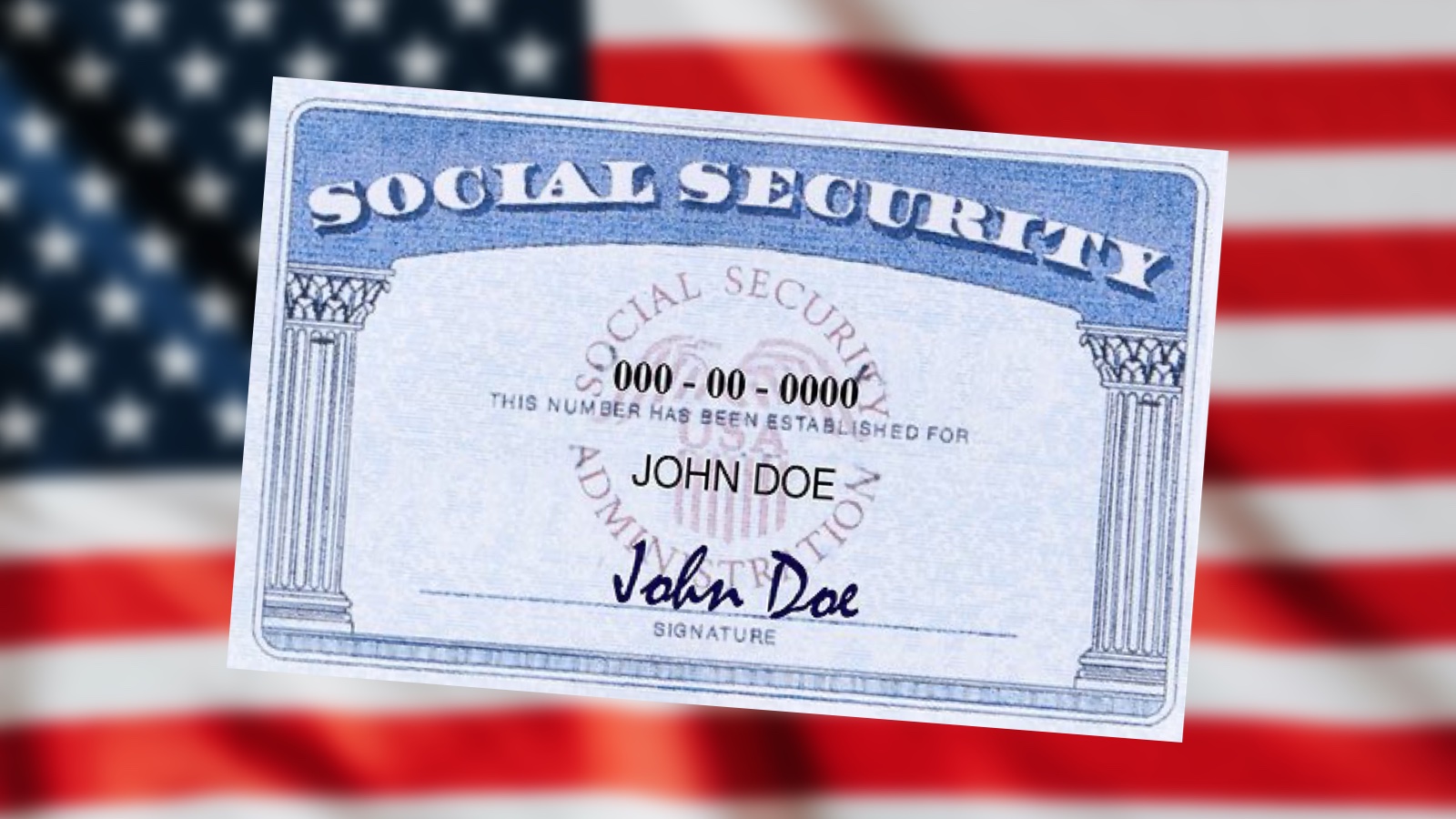
US officials indicate that this policy shift addresses a significant rise in “questionable” signature practices. These include the use of copied-and-pasted images, software-generated signatures, and unauthorized signers. While the agency will still accept traditional wet-ink signatures and high-quality scans, they will strictly prohibit digital “typed” signatures and reused images. Therefore, employers relying on informal electronic workflows must immediately calibrate their processes to ensure compliance.
The Translation: Technical Clarity for Applicants
In the “Next Gen” context, this rule represents a move toward zero-tolerance administrative precision. Previously, a missing or incorrect signature might result in the return of the application package along with the filing fee. Now, USCIS views a signature defect as a substantive failure. This means the government keeps your money as payment for the “service” of reviewing a flawed document. Essentially, the signature is no longer a formality; it is a critical baseline for legal validity.
The Socio-Economic Impact: Daily Life in Pakistan
For the Pakistani professional and student population, the impact of these US Signature Rules is profound. In urban centers like Karachi, Lahore, and Islamabad, many tech professionals secure H-1B visas to work in the United States. A single signature error could now result in:
- Financial Loss: Forfeiture of several thousand dollars in non-refundable government fees, a significant blow to household savings.
- Loss of Opportunity: Missing critical filing windows, such as the H-1B cap, which only opens once a year.
- Status Gaps: Potential loss of work authorization, leading to immediate gaps in legal status and career disruption.
The Forward Path: Momentum Shift or Stabilization?
This development represents a Stabilization Move focused on system efficiency and fraud reduction. While the stricter enforcement may seem punitive, it forces a higher standard of precision across the immigration ecosystem. We advise all applicants and corporate sponsors to audit their digital workflows immediately. Transitioning back to high-quality wet-ink signature scans will provide the necessary catalyst for successful adjudication in this new, high-stakes environment.