
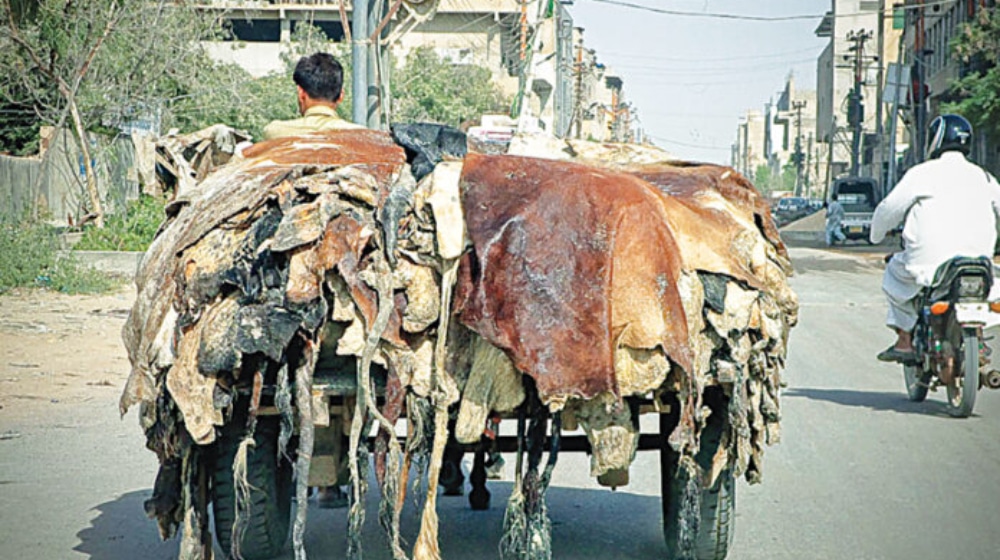
National advancement relies on the precise management of seasonal economic cycles and public safety protocols. Consequently, the Sindh Home Department has calibrated new hide collection rules to maintain systemic order during Eid-ul-Adha. This strategic framework mandates that only authorized entities participate in the sacrificial economy, centralizing oversight through provincial commissioners and deputy commissioners.
Calibrating Urban Security and Hide Collection Rules
The government’s directive restricts hide collection exclusively to registered welfare organizations and madrassas. Specifically, the state has banned all unauthorized camps, banners, and vehicle flags across the Sindh province. Furthermore, authorities have prohibited the use of loudspeakers for announcements and the display of flags on transport vehicles to prevent public disruption.
- Strict prohibition on unauthorized collection by banned organizations.
- Ban on forced collection or coercive tactics by any group.
- Immediate police registration of cases against violators of the code.
- Authorized weapons ban in Karachi from 10th to 12th Zil Hajj.
The Translation: Contextualizing the Code of Conduct
The “Code of Conduct” serves as a strategic operating procedure designed to eliminate the informal, often unregulated, flow of seasonal assets. By requiring permission from Deputy Commissioners, the state creates a digital and physical audit trail for every transaction. This logic prevents unauthorized groups from utilizing religious charity as a catalyst for unregulated financial activities.
The Socio-Economic Impact: Protecting the Citizenry
This structural change directly impacts the daily lives of Pakistani citizens by reducing street-level extortion and coercion. Families can now ensure their charitable contributions reach legitimate, verified causes without the interference of unauthorized intermediaries. Additionally, the Karachi weapons ban serves as a security baseline, significantly lowering the risk of urban conflict during a period of high social density.
The Forward Path: A Stabilization Move
This development represents a Stabilization Move rather than a radical momentum shift. While it introduces necessary precision into the management of religious festivals, it primarily reinforces existing legal boundaries to maintain order. Strengthening these systemic guardrails is essential for long-term national stability and the protection of the charitable ecosystem.








