The Structural Baseline: Defining School Safety Standards
National advancement requires a calibrated approach to the environments where our youth develop. We must recognize that School Safety Standards are not mere suggestions but the architectural foundation of a resilient education system. In cities like Karachi, where over 12,000 private schools operate alongside public institutions, the current baseline remains dangerously inconsistent. Consequently, the lack of precision in implementing safety protocols exposes millions of students to preventable environmental hazards and medical emergencies.
The Situation Room Analysis
The Translation
In this context, safety refers to a multi-dimensional ecosystem. It moves beyond physical security to include clinical hygiene, disaster risk reduction (DRR), and psychological dignity. When we discuss school safety standards, we are describing a systematic integration of the Pakistan School Safety Framework (PSSF) into daily operations.
The Socio-Economic Impact
Systemic safety failures directly erode Pakistan’s human capital. Furthermore, parental perception of risk serves as a primary barrier to enrollment, particularly for girls and students with disabilities. By stabilizing these institutional environments, we catalyze higher attendance rates and ensure a healthier future workforce for the Pakistani economy.
The Forward Path
This development represents a Stabilization Move that must transition into a Momentum Shift. While the PSSF provides the blueprint, the lack of provincial enforcement prevents national scaling. We must mandate health linkages and professional training to transform schools from isolated islands into integrated public health hubs.
Calibrating Health and Safety Infrastructure
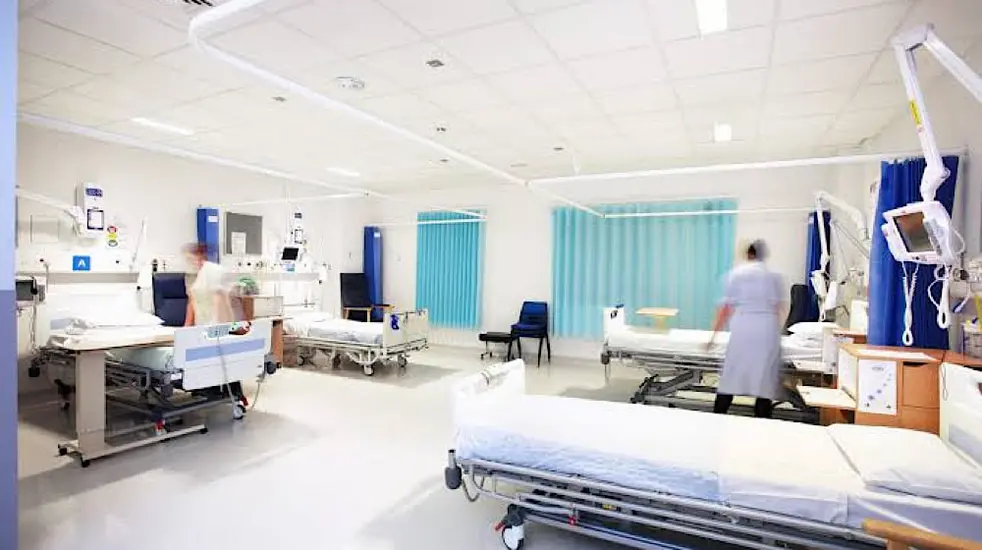
Effective institutional management requires proactive rather than reactive measures. Schools must establish calibrated partnerships with local healthcare providers to facilitate routine screenings and emergency referrals. Currently, these institutions serve as vital platforms for national vaccination campaigns, yet their internal health infrastructure often lacks basic diagnostic tools.

Strategic investments in staff capacity are non-negotiable. Teachers must master Basic Life Support (BLS), including CPR and choking management, to provide immediate precision care. Furthermore, schools must maintain the following structural requirements:
- Functional firefighting equipment and marked emergency exits.
- Hygienic, gender-sensitive sanitation facilities to prevent infectious disease.
- Dedicated health rooms supervised by trained medical personnel.
- Verified immunization records as a mandatory baseline for admission.
Protecting the Human Element
Security goes beyond physical barriers; it involves the psychological protection of the student. Consequently, schools must implement child protection education that defines personal boundaries and establishes confidential reporting systems. This structural safety encourages an environment where students can focus exclusively on academic and social development.
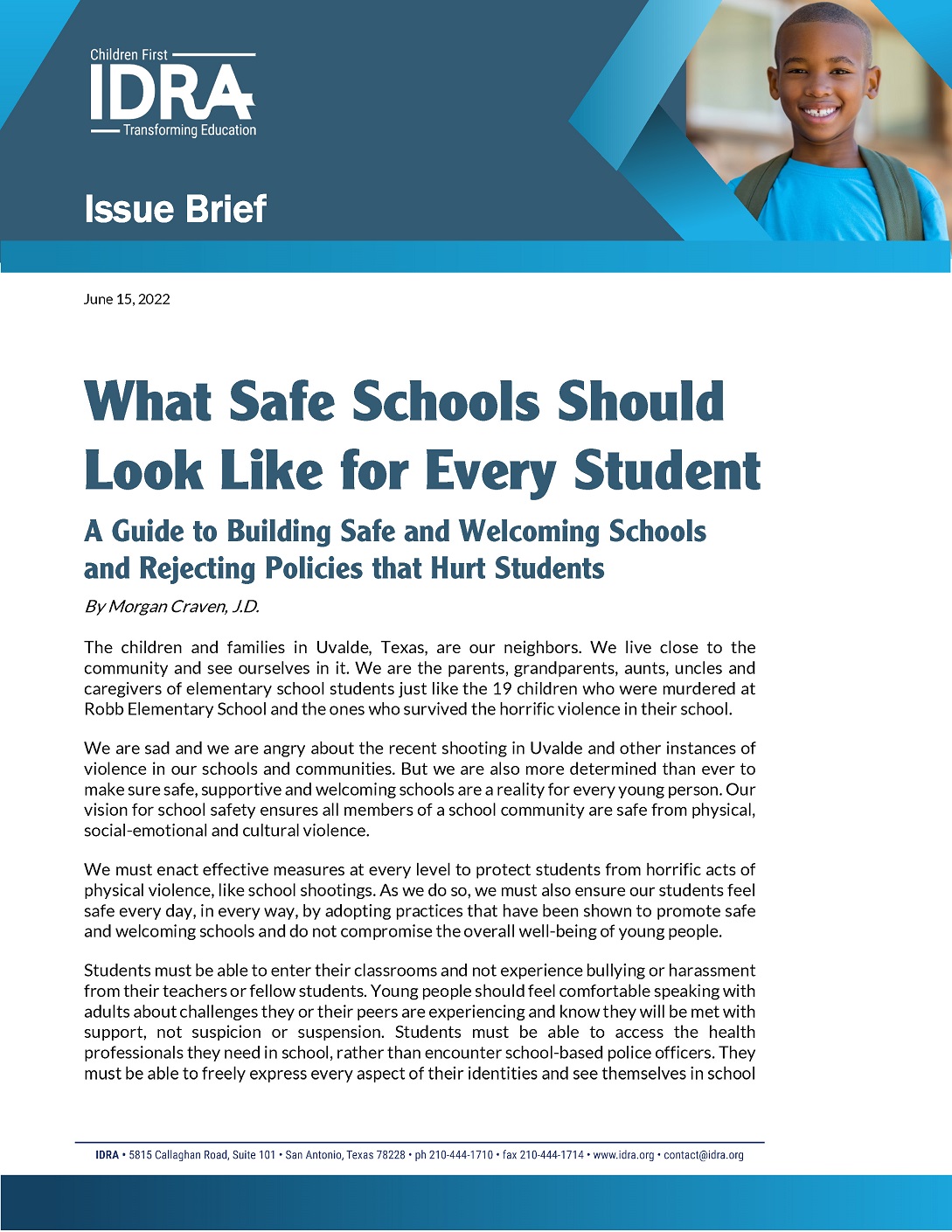
Institutional leadership must prioritize transparent accountability. By conducting regular safety audits and refining evacuation plans for children with disabilities, schools demonstrate a commitment to inclusivity. Ultimately, investing in school safety standards is a precision-driven strategy to secure the nation’s most valuable asset: its next generation.