

Pakistan and Iraq have successfully negotiated separate energy transit deals with Iran to stabilize the flow of oil and liquefied natural gas (LNG) through the Strait of Hormuz. Consequently, these strategic agreements grant Tehran significant oversight of a corridor that facilitates 20% of the world’s crude exports. Islamabad initiated these discussions to mitigate the impact of the US-Israeli-Iranian conflict on the national energy grid.
Strategic Navigation: The New Energy Transit Deals
The current volatility in the Gulf has decimated maritime traffic to just 5% of its pre-war volume. Historically, nearly 3,000 vessels traversed this route monthly; however, surging tensions have forced a structural recalibration of regional shipping. Two Qatari LNG cargoes are currently transiting to Pakistan under this bilateral framework. This arrangement provides a critical catalyst for Pakistan’s summer energy baseline, as cooling demands typically require 10 LNG cargoes per month.

Iran now requires precision documentation for all transit vessels. This includes detailed cargo specifications and ownership data. While the Revolutionary Guard occasionally adjusts these requirements, the energy transit deals remain the primary mechanism for maintaining shipping throughput. Iraq has similarly secured passage for four million barrels of oil to protect the revenue streams that fund 95% of its national budget.
The Translation: Converting Geopolitics to Local Logic
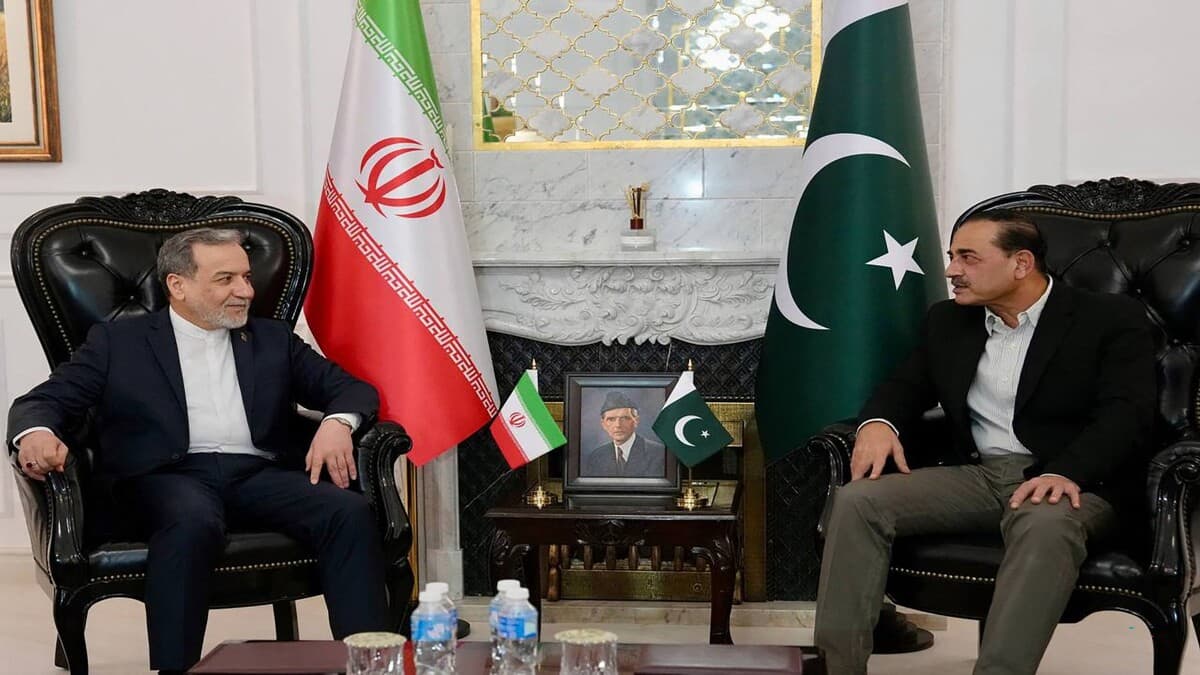
The Strait of Hormuz has transformed from a neutral transit route into a “controlled corridor.” For Pakistan, this means that the reliability of our energy supply is no longer purely a market function; it is a diplomatic variable. By negotiating directly with Tehran, Pakistan is acknowledging a shift in regional power dynamics to prevent a total blackout of the national energy system.

Socio-Economic Impact: Protecting the Pakistani Household
This development directly impacts the average Pakistani citizen’s cost of living. Global Brent crude prices have surged over 50%, while LNG prices in Asia have risen by up to 50%. Without these energy transit deals, the domestic price of electricity and petrol would likely face exponential hikes. These agreements act as a buffer, ensuring that students can study and industries can operate despite the surrounding regional instability.
The Forward Path: Our Analytical Verdict
This development represents a Stabilization Move. While it provides a necessary short-term fix to maintain Pakistan’s energy baseline, it reinforces a long-term dependency on controlled transit routes. To achieve true systemic efficiency, Pakistan must accelerate the diversification of its energy portfolio and explore alternative overland corridors. For now, this strategic pragmatism is the only catalyst keeping the economy functional amidst a global crisis.








