
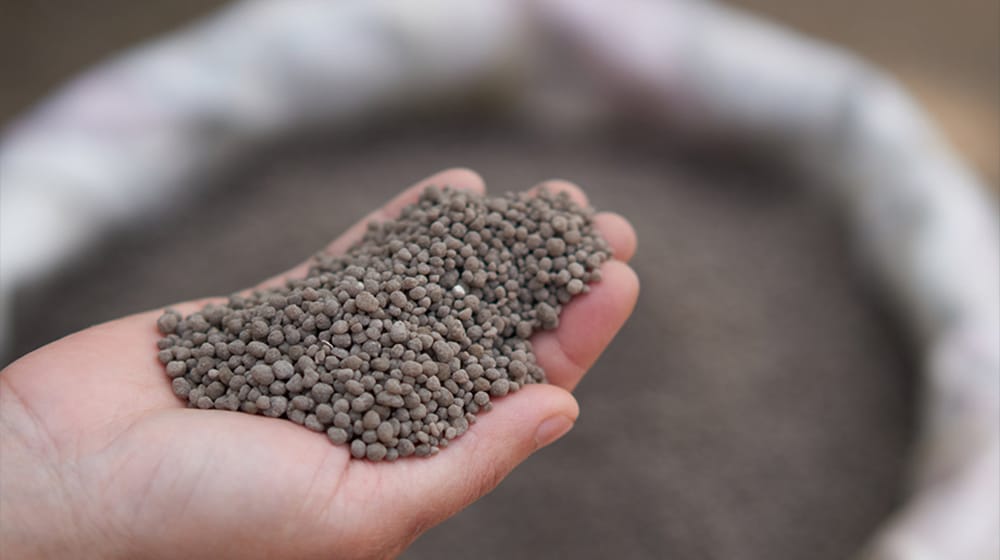
Fauji Fertilizer Company (FFC) has recently calibrated a strategic upward revision of its Sona Diammonium Phosphate (DAP) products, pushing fertilizer prices Pakistan to a critical baseline of Rs. 15,633 per bag. This adjustment, effective May 12, represents a significant structural challenge for the national agricultural framework. As global markets fluctuate, Pakistani farmers face escalating input costs that threaten the stability of upcoming crop cycles.
What Rising Fertilizer Prices Pakistan Mean for the 2024 Harvest
The latest price adjustment reflects an increase of Rs. 400 per bag from the previous rate of Rs. 15,233. Consequently, the cumulative increase in Sona DAP prices has reached a staggering Rs. 1,624 per bag since the current upward trend began. This volatility is a direct byproduct of international market pressures and ongoing geopolitical tensions that disrupt supply chains.
The Translation (Clear Context)
FFC raised the price of Sona DAP specifically because global fertilizer markets are experiencing extreme volatility. Geopolitical tensions have restricted supply, forcing international prices upward. Since Pakistan relies on international benchmarks for pricing, local manufacturers must adjust their rates to maintain operational viability. Essentially, the domestic price hike is an echo of global economic instability rather than a purely local decision. Consequently, the cost of high-quality fertilizer has reached levels that many small-scale growers may find unsustainable.
The Socio-Economic Impact
The surge in fertilizer prices Pakistan creates a ripple effect across the entire national economy. Specifically, high input costs force farmers to choose between reduced profit margins or lower fertilizer application. If farmers use less DAP, crop yields will inevitably decline, potentially leading to food shortages. Furthermore, this trend places immense pressure on rural households that depend entirely on agricultural income. For urban citizens, these costs eventually manifest as higher prices for staple foods, compounding the existing inflationary pressures on the middle class.
The Forward Path (Opinion)
This development represents a Stabilization Move by the industry to align with global realities. However, from a national perspective, it serves as a warning that our agricultural resilience remains fragile. To counter this, Pakistan needs a precision-driven subsidy model that targets small-scale farmers directly. Without a structural catalyst to decouple local food costs from global commodity volatility, the agricultural sector will remain in a state of perpetual maintenance rather than growth.








