The United Arab Emirates is redefining the regional security baseline with recent clandestine UAE military strikes targeting critical Iranian infrastructure. According to a technical briefing by The Wall Street Journal, Emirati forces deployed high-precision assets to neutralize an oil refinery on Lavan Island. This operation represents a calibrated departure from Abu Dhabi’s traditional defensive posture, signaling a new era of proactive military engagement in the Persian Gulf.
Analyzing the Impact of UAE Military Strikes on Regional Stability
Abu Dhabi has spent decades integrating Western-supplied fighter aircraft and advanced surveillance systems into its defense architecture. Consequently, the state now possesses the structural capacity to project power far beyond its sovereign borders. These UAE military strikes utilize precision technology that allows for surgical kinetic actions with minimal collateral detection. Analysts suggest this shift indicates a strategic willingness to degrade Iranian capabilities directly rather than relying on proxy containment.
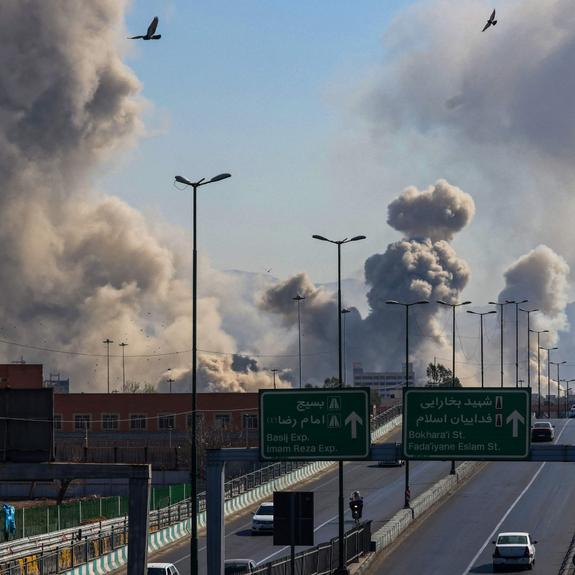
The geopolitical landscape is inherently volatile, and undisclosed operations complicate the public narrative surrounding regional escalation. If the Islamic Revolutionary Guard Corps (IRGC) confirms these maneuvers, the UAE transforms from a political mediator into a primary kinetic participant. Currently, both Emirati and Iranian officials maintain a disciplined silence regarding the Lavan Island engagement.
The Translation: Contextualizing Modern Warfare
In technical terms, the UAE is moving from “active defense” to “pre-emptive precision.” This means they are no longer waiting for threats to reach their borders. Instead, they are using satellite-guided intelligence and stealth-capable platforms to neutralize threats at the source. This requires a highly calibrated intelligence network and a level of military maturity previously unseen in the region.
The Socio-Economic Impact: What it Means for Pakistanis
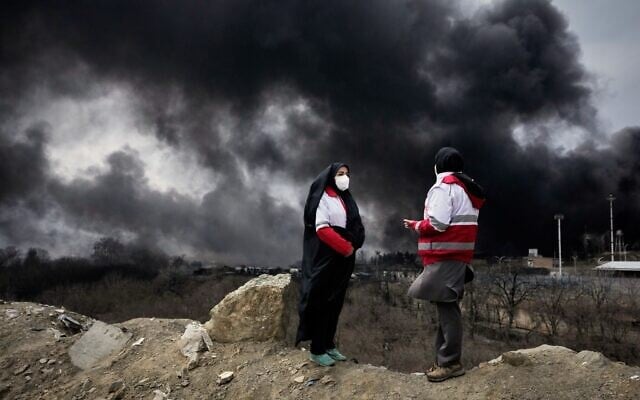
While the kinetic action occurs in the Gulf, the socio-economic ripples affect every Pakistani household and professional. Consider these critical vectors:
- Energy Volatility: Strikes on oil refineries like Lavan Island can trigger global price surges, directly increasing the cost of fuel and electricity in Pakistan.
- Expatriate Stability: Over 1.5 million Pakistanis reside in the UAE. Regional escalation requires heightened contingency planning for labor security and remittance flows.
- Maritime Logistics: Instability in the Persian Gulf threatens shipping lanes, potentially delaying essential imports and increasing freight insurance costs for Pakistani businesses.
The Forward Path: Momentum Shift
These UAE military strikes represent a definitive Momentum Shift in Middle Eastern geopolitics. By moving beyond defensive baseline strategies, the UAE has signaled that its military modernization is complete and operational. This development forces a recalculation of regional power balances and suggests that future stability will depend on precision deterrence rather than simple diplomatic stalling. The regional system is currently re-calibrating to this new, more aggressive reality.