

The Pakistan Mercantile Exchange (PMEX) recently finalized a calibrated acquisition of a majority stake in Naymat Collateral Management Company (NCMCL), signaling a structural shift toward integrated PMEX Agricultural Trading solutions. This strategic maneuver transforms NCMCL into a formal subsidiary, effectively streamlining the nation’s commodity storage and collateral verification frameworks. Consequently, the exchange is now positioned to oversee the entire lifecycle of physical commodity delivery within a regulated environment.
A New Baseline for PMEX Agricultural Trading
Following a decisive board meeting on May 11, 2026, PMEX secured the necessary regulatory clearance from the Securities and Exchange Commission of Pakistan (SECP). This acquisition serves as a critical catalyst for the exchange’s expansion into physically deliverable agricultural commodities. Currently, the PMEX framework lists essential goods such as wheat, rice, sugar, and maize for high-precision trading.
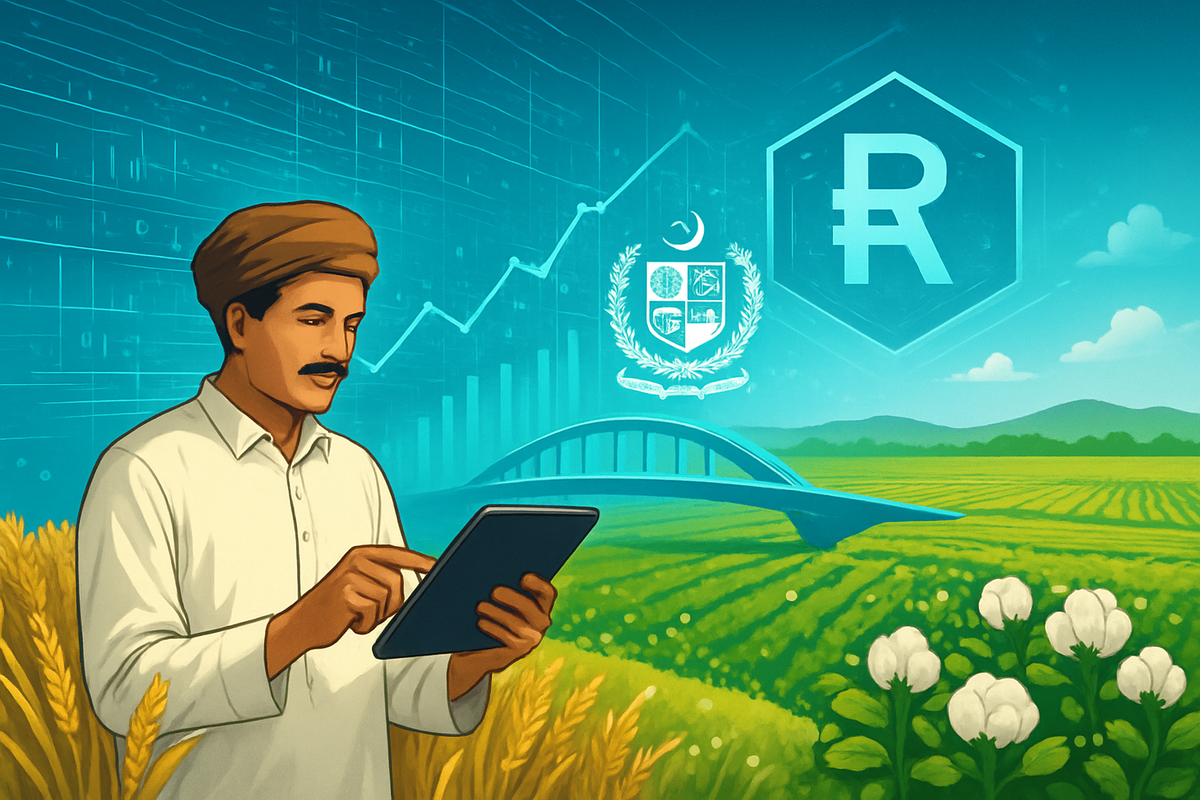
By absorbing NCMCL, the exchange gains direct control over sophisticated warehousing and collateral management services. These services are essential for maintaining the integrity of agricultural products during the trading process. Furthermore, this integration ensures that the physical goods backing every digital trade meet strict quality and quantity standards.
The Translation: Systemic Liquidity
In technical terms, “collateral management” acts as the bridge between a physical warehouse and a financial trade. When a farmer stores wheat in an NCMCL-certified facility, that grain becomes a “negotiable instrument.” PMEX effectively converts physical stacks of grain into digital assets that traders can buy and sell with confidence. This system eliminates the uncertainty often found in traditional, unregulated “mandi” markets.
The Socio-Economic Impact: Protecting the Harvest
For the average Pakistani citizen, this development promises enhanced food security and price stability. By professionalizing storage, the system reduces the high rates of post-harvest spoilage that currently plague the agricultural sector. Farmers gain the ability to use their stored crops as collateral for bank loans, providing them with much-needed liquidity without forcing a desperate “distress sale” at harvest time. This structural efficiency eventually lowers the baseline cost of food for urban households.
The Forward Path: A Momentum Shift
We categorize this acquisition as a significant Momentum Shift for the Pakistani economy. Instead of merely maintaining existing systems, PMEX is architecting a modern, STEM-driven marketplace that links the financial sector directly to the soil. The successful integration of NCMCL will likely serve as a blueprint for future digital reforms in the national supply chain. This is a strategic step toward a precision-based economic future.








