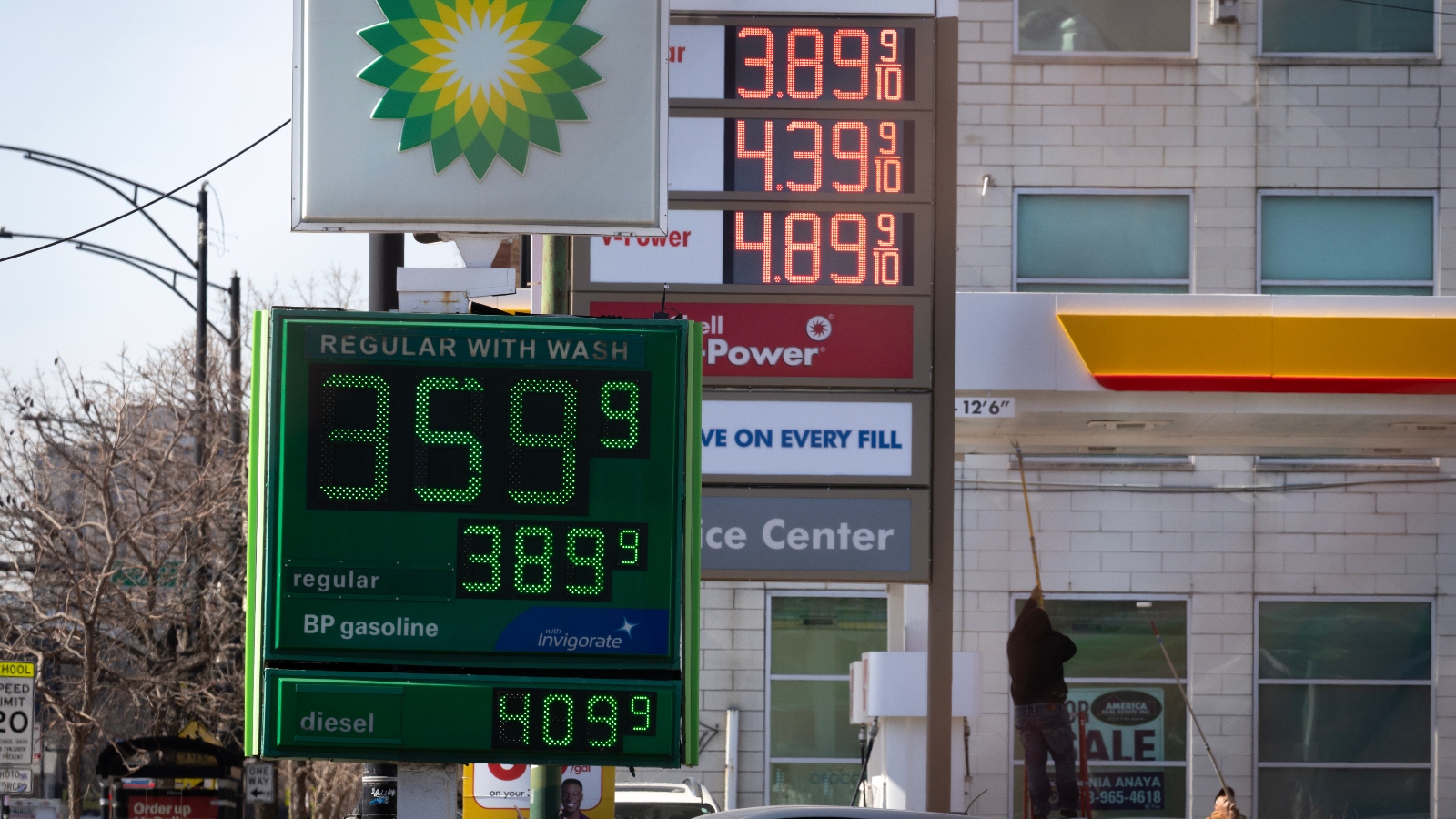
The recent fuel price hike represents a significant shift in Pakistan’s fiscal landscape, primarily driven by a calibrated Rs. 117 per litre petroleum levy. During a high-level briefing, Petroleum Division officials clarified that current pricing reflects international market volatility rather than administrative failure. Consequently, the government maintains that structural baseline costs remain the dominant factor in the current economic climate.
Dissecting the Mechanics of the Fuel Price Hike
The Senate Standing Committee on Petroleum recently convened to evaluate fuel pricing and stock positions. Petroleum Minister Ali Pervaiz Malik highlighted that international diesel prices surged to $285 per barrel, while petrol reached $150 per barrel. Furthermore, Senator Saifullah Abro demanded a precise breakdown of taxes included in the pricing structure to ensure absolute transparency for the public.
Current data indicates that Pakistan holds 30 days of petrol stock and 27 days of diesel reserves. However, the Minister noted that the country lacks strategic petroleum reserves, requiring the government to procure products at higher costs to maintain supply chain continuity. To address transparency concerns, the Federal Investigation Agency (FIA) has commenced a comprehensive review of all oil marketing operations.
Strategic Accountability and Market Audits
Following the sharp Rs. 55 per litre increase in late February, Committee member Aamir Chishti advocated for a rigorous audit of the energy sector. Consequently, the government authorized a full audit of all 42 oil marketing companies (OMCs). This strategic move aims to eliminate inefficiencies and ensure that market players adhere to regulated pricing frameworks. The Ministry of Petroleum intends to share data from all relevant companies to foster a culture of data-driven accountability.

The Situation Room
The Translation (Clear Context)
The government’s refusal to take responsibility signifies a shift from “interventionist pricing” to “market-parity pricing.” By citing the Rs. 117 levy, officials are highlighting that the fuel price hike is a fiscal tool used to meet budgetary targets. The logic rests on the fact that international procurement costs, combined with fixed local taxes, leave little room for administrative subsidies without increasing the national deficit.

The Socio-Economic Impact
This development directly impacts the operational baseline of every Pakistani household. High fuel costs act as a catalyst for “cost-push inflation,” raising the price of essential commodities and transportation. For students and professionals, the increased cost of mobility necessitates a pivot toward more efficient transit solutions or digital-first work models to mitigate the financial strain.
The Forward Path (Opinion)
This development represents a Stabilization Move. While the immediate effect is painful, the government’s decision to audit 42 OMCs and maintain 30-day stocks suggests a focus on system integrity rather than short-term popularity. To achieve a true momentum shift, Pakistan must invest in strategic reserves and diversify its energy mix to decouple from international price shocks.