
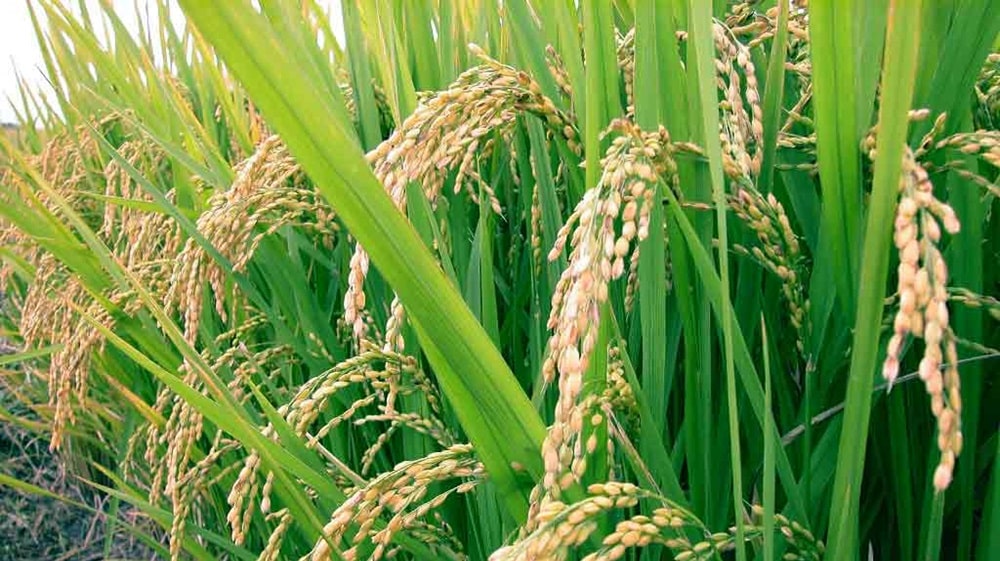
Growing water uncertainty threatens the structural integrity of Pakistan’s agricultural output, specifically endangering rice crop yields in Khyber Pakhtunkhwa. This volatility stems from India’s repeated violations of the Indus Water Treaty, which disrupts the calibrated flow of the Indus River. Consequently, farmers in the Swabi district face an existential baseline risk during the critical summer sowing season.
Strategic Vulnerability: The Impact of Water Uncertainty
In Swabi, thousands of farming families depend on the Indus River and Tarbela Dam for their livelihoods. Any reduction in river flow directly destabilizes rice production, a catalyst for rural economic growth. Progressive farmer Zubair Ali, who manages five acres in Margoz village, warns that small-scale cultivators will suffer the most if irrigation availability continues to decline. These families rely on the Indus basin to sustain both agriculture and livestock systems.
Pakistan currently produces approximately 7.5 million tonnes of rice annually, maintaining its position as a global leader in the sector. However, rising farming costs and climate change already pressure the industry. Experts, including former Agriculture Research Director General Dr. Abdul Rauf, suggest that prolonged disruptions could damage exports and national food security. Furthermore, the Indus basin supports diverse ecosystems, including fisheries and apiculture, which require precise water management.
The Situation Room Analysis
The Translation: Decoding Hydro-Politics
The Indus Water Treaty is not merely a legal document; it is the blueprint for regional hydro-stability. When India engages in unilateral actions that affect water access, it creates water uncertainty that bypasses international law. This is a structural failure of coordinated resource management. We must view these violations as a direct threat to the agricultural efficiency required for national advancement.
The Socio-Economic Impact: From Field to Household
For the average citizen, this crisis manifests as increased poverty and food price volatility. If the rice crop fails in KP, rural incomes evaporate, leading to urban migration and increased pressure on city infrastructure. Vulnerable communities already facing climate-related stress will see their drought conditions worsen, effectively stalling socio-economic mobility for millions of Pakistanis dependent on the Indus system.
The Forward Path: Architectural Solutions
This situation represents a critical “Stabilization Move” that has failed. To regain momentum, Pakistan must engage international stakeholders and the World Bank to enforce treaty compliance. We must calibrate our domestic water storage strategies to mitigate the effects of external disruptions. Progress requires a precise, STEM-driven approach to irrigation that prioritizes systemic resilience over reactive management.








