

Pakistan’s foreign loan inflows increased by nearly 20 percent during the first nine months of fiscal year 2025-26. This strategic surge reflects calibrated International Monetary Fund (IMF) backing and robust participation from overseas Pakistanis. Consequently, total external capital injections have reached a critical baseline for national economic stabilization.
Analyzing the Scale of Foreign Loan Inflows
Official data confirms that total foreign loan inflows, excluding IMF disbursements, reached $6.594 billion between July and March. This figure represents a 19.7 percent increase compared to the $5.507 billion recorded during the same period last year. Notably, the month of March alone saw a 32 percent year-on-year increase, with inflows totaling $731.3 million.
The aggregate external assistance exceeds $9.7 billion when accounting for the $1.2 billion IMF disbursement and $3 billion in Saudi Arabian safe deposits. Furthermore, the government has established an ambitious target of $19.9 billion for the full fiscal year. Currently, project financing accounts for $2.486 billion, while non-project inflows dominate the landscape at $4.108 billion.
Diversifying Capital: Multilateral and Bilateral Sources
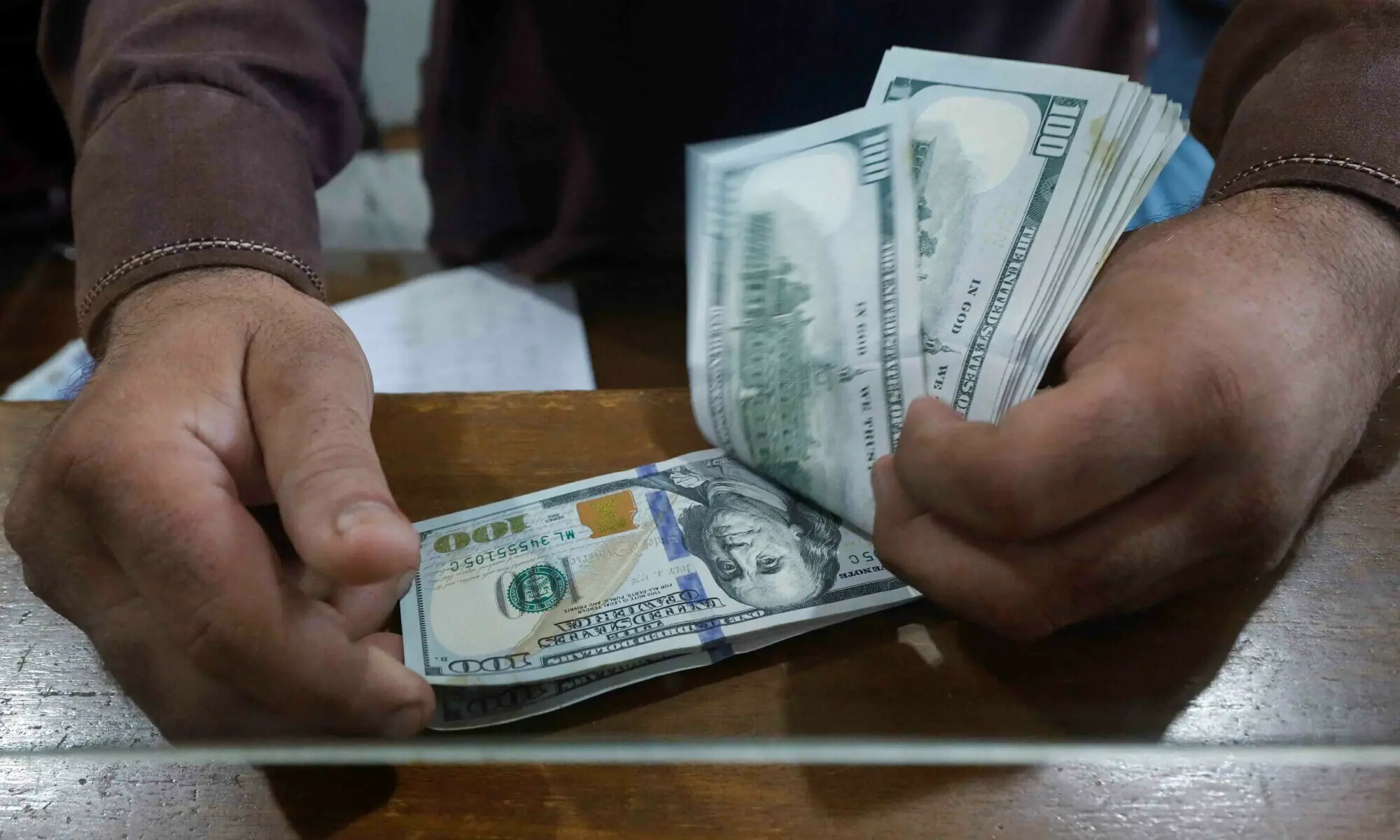
The World Bank remains the primary multilateral partner, contributing $1.205 billion in disbursements, a 23 percent increase. In contrast, the Asian Development Bank’s contributions fell by 64 percent to $727 million. Meanwhile, bilateral lenders increased their support sharply to $1.169 billion, nearly tripling the previous year’s figures.
Overseas Pakistanis emerged as the single most significant source of capital through Naya Pakistan Certificates. Specifically, inflows under this scheme rose 40 percent to $2.037 billion. This surge includes $1.444 billion in Islamic certificates, signaling a shift toward precision-based ethical financing models.
The Situation Room Analysis
The Translation: Contextualizing the $9.7 Billion
The data reveals a structural shift from passive grant reliance to active investment and debt management. While total foreign loan inflows are rising, the decline in grants by 27 percent suggests that Pakistan is being held to higher standards of fiscal accountability. The heavy reliance on Naya Pakistan Certificates indicates that the diaspora is now a fundamental pillar of the national liquidity strategy.
The Socio-Economic Impact: Daily Life for Citizens
For the average Pakistani citizen, these inflows act as a vital cushion against currency devaluation. By stabilizing foreign exchange reserves, these funds help curb the inflationary pressure on imported commodities, such as fuel and electricity. Consequently, households in both urban and rural areas may experience a more predictable cost of living as the rupee maintains its structural baseline.
The Forward Path: Expert Opinion
This development represents a Stabilization Move. While the 20 percent growth in inflows is a catalyst for short-term recovery, the low budgetary support—only $2.449 billion against a $13.5 billion target—remains a strategic vulnerability. To transition from stabilization to momentum, the state must pivot from borrowing for consumption to securing capital for industrial productivity.








