
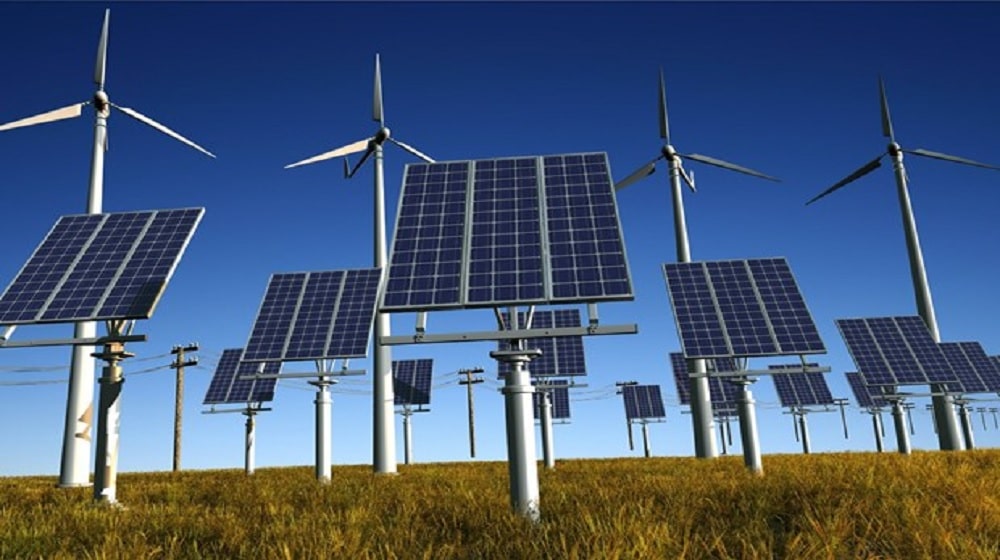
Pakistan is executing a calibrated strategy to achieve 95% Renewable Electricity Pakistan by 2040. This structural pivot aims to transition the national grid from volatile fossil fuel reliance to a baseline of clean, indigenous sources. Consequently, the roadmap envisions a 60% clean energy share by 2030, marking a decisive catalyst for long-term economic stability and energy sovereignty.
Structural Calibration: The Renewable Electricity Pakistan Vision
The energy transition document outlines an ambitious framework to transform the national economy by 2050. By prioritizing efficiency, the state intends to power industry, transport, and households with affordable indigenous energy. Specifically, the government has established several precision-targeted milestones:
- 60% Clean Energy Share: Targeted for completion by 2030.
- 50% Renewable Generation: A critical baseline set for 2035.
- 95% Renewable Capacity: The final strategic objective for 2040.
- Fossil Fuel Phase-out: Converting or retiring 14,000 MW of inefficient plants by 2035.
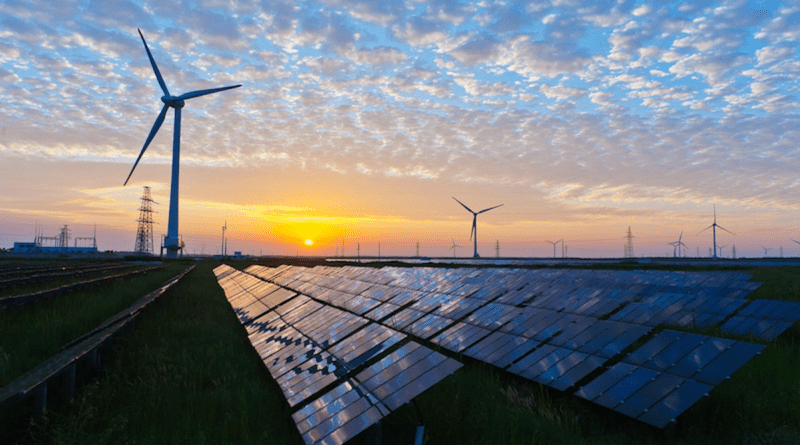
Moreover, the plan mandates a sharp reduction in transmission and distribution losses. Currently standing at 19%, these losses must drop to 8% to ensure grid reliability. This optimization is essential to accommodate the rising demand for 100% national electricity access.
The Translation: Decoding Energy Sovereignty
For the average citizen, the term “energy transition” often feels abstract. However, securing Renewable Electricity Pakistan is a fiscal necessity rather than just an environmental goal. Pakistan currently faces a circular debt exceeding Rs1.66 trillion within the power sector. This crisis stems from a heavy reliance on imported fossil fuels, which drain foreign exchange reserves and widen the balance of payments gap.
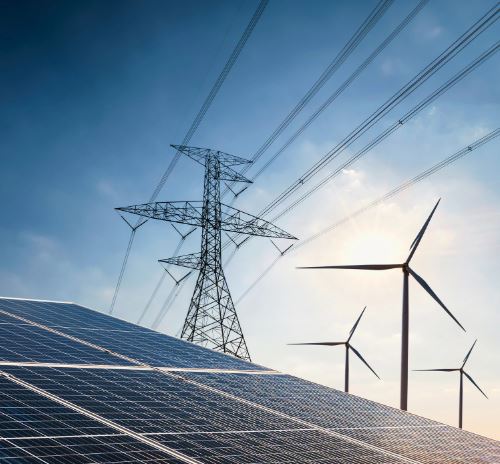
By shifting to solar, wind, hydro, and biomass, Pakistan decouples its electricity prices from global fuel market volatility. In 2024 alone, the country imported 17 gigawatts of solar power systems, becoming the world’s third-largest importer of panels. This data proves that the market is already shifting toward decentralization and cleaner alternatives.
Socio-Economic Impact: Empowering the Pakistani Household
The transition toward Renewable Electricity Pakistan will directly reshape daily life. One high-impact initiative involves installing rooftop solar systems across all government secondary schools by 2035. This move ensures that the next generation learns in electrified environments while reducing the state’s operational expenditures.
Furthermore, the strategy fosters job creation by investing in entrepreneurs specialized in hydrogen and wind technologies. As transport begins to electrify, urban air pollution will decrease, leading to improved public health outcomes. For the Pakistani household, this transition promises lower consumer tariffs and a more resilient, localized energy infrastructure.
The Forward Path: A Momentum Shift for National Progress
This development represents a Momentum Shift for Pakistan. While previous policies focused on maintenance, this 2040 roadmap is a structural reimagining of our national power architecture. The transition from imported fuel to indigenous renewables is the only viable path to eliminate circular debt and stabilize the PKR against currency fluctuations. Success will require disciplined grid modernization and sustained investment in energy storage systems to ensure total system reliability.








