

Strategic Stray Dog Operation Launched in Punjab
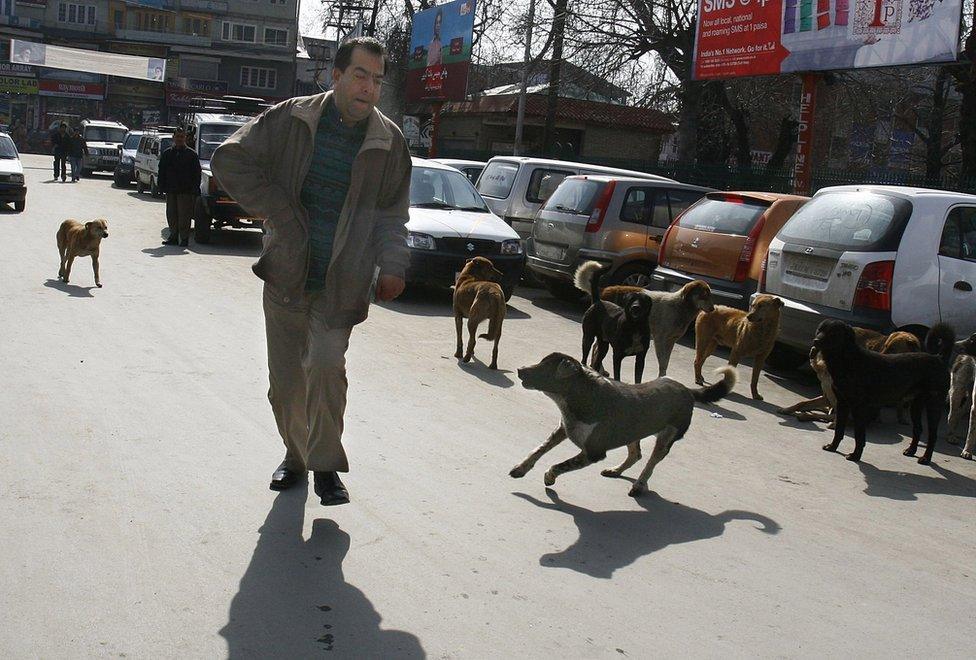
Sultan Colony teams launched a calibrated stray dog operation following a fatal incident involving a seven-year-old student. Consequently, the District Council eliminated 100 stray animals to secure the immediate perimeter. Assistant Commissioner Malik Iqbal Lang directed this strategic response to restore public order. Furthermore, the administration confirmed that these safety protocols remain active across multiple residential sectors. This initiative prioritizes the protection of citizens through structural hazard removal.
The Translation: Decoding Urban Safety Protocols
The “elimination” protocol denotes a rapid-response measure designed to mitigate immediate biological threats within high-density urban centers. While the term implies finality, it reflects a transition from passive monitoring to active containment. The administration’s logic suggests that when localized hazards exceed safety thresholds, the system must recalibrate. Therefore, the current stray dog operation serves as a necessary baseline for restoring communal security.

The Socio-Economic Impact: Protecting the Next Generation
Urban households now experience a temporary stabilization of street-level safety. For students and daily commuters, this intervention reduces the risk of physical trauma and potential disease transmission. Consequently, the operation allows for a return to normal economic and educational activity. However, the long-term vitality of Pakistani neighborhoods depends on sustainable management. Strategic safety measures must eventually evolve into integrated urban wildlife frameworks to ensure permanent protection for rural and urban households alike.
The Forward Path: A Momentum Shift or Stabilization?
This development constitutes a Stabilization Move. While the immediate stray dog operation addresses an urgent crisis, it functions as a reactive measure rather than a proactive system. For a true momentum shift, Pakistan requires a data-driven approach to animal control, including large-scale sterilization and vaccination programs. Strengthening the baseline of public safety is vital, yet the focus must eventually pivot toward architectural solutions for urban hazard management.








