

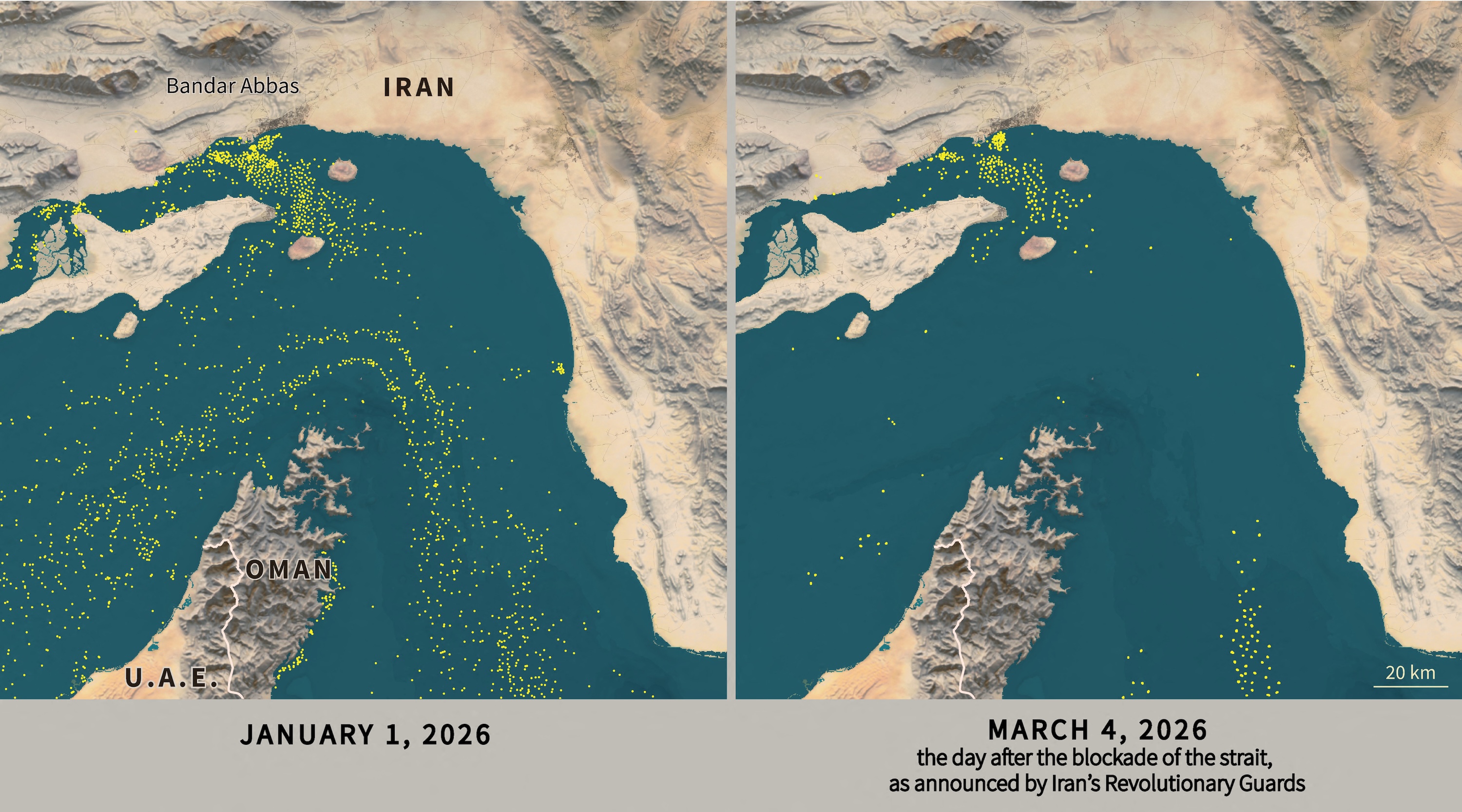
The structural integrity of energy logistics determines national stability. Currently, the global oil supply faces an unprecedented baseline shift as approximately 1 billion barrels of crude have vanished from the market following the strategic blockade of the Strait of Hormuz. While Saudi Aramco reported a calibrated 25% profit surge to $32.5 billion, the stabilization of energy inventories remains a complex engineering challenge for the coming months.
Calibrating the Global Oil Supply Amidst Crisis
Saudi Aramco CEO Amin Nasser recently confirmed that the world has temporarily lost access to critical supply volumes. Consequently, even if maritime access is restored immediately, global supply chains will require significant time to achieve equilibrium. Despite these disruptions, Aramco exceeded market expectations by leveraging high crude prices and strategic sales volumes to reach a first-quarter revenue of $115.49 billion.
The Translation: Architectural Rerouting
To bypass the volatility of the Strait, Saudi Aramco has operationalized its East–West pipeline system at a maximum capacity of 7 million barrels per day. This infrastructure acts as a critical bypass, funneling 2 million barrels to domestic refineries and the remainder to the Red Sea port of Yanbu for export. This shift demonstrates how fixed infrastructure serves as a vital safeguard when maritime corridors fail.
The Socio-Economic Impact: Costs for the Pakistani Citizen
For the average Pakistani professional and household, this disruption in the global oil supply translates directly into higher costs at the pump. Local fuel prices have reached three-month highs as importers compete for limited shipments. This inflationary pressure increases the baseline cost of transport and electricity, impacting the disposable income of urban and rural citizens alike. High energy costs serve as a catalyst for broader economic friction across all sectors.
The “Forward Path”: A Momentum Shift
This development represents a Momentum Shift in global energy strategy. The reliance on singular maritime chokepoints is being replaced by a structural move toward redundant pipeline networks. For Pakistan, this underscores the urgent need for domestic energy diversification and improved storage infrastructure to buffer against similar international supply shocks. Strategic resilience is no longer optional; it is a baseline requirement for national advancement.








