Scientific precision has reached a critical baseline in the search for a Type 1 diabetes cure. Researchers recently achieved a calibrated success by preventing and reversing the disease in murine models using a strategic dual-transplant protocol. By integrating donor blood-forming stem cells with insulin-producing islet cells, the study established a chimeric immune system that effectively halted autoimmune destruction.
Architectural Reset of the Immune System
The core mechanism of this Type 1 diabetes cure research involves a structural reconfiguration of the body’s defense systems. Scientists utilized low-dose radiation and targeted antibodies to mildly suppress the existing immune response. Consequently, this allowed for the introduction of donor hematopoietic stem cells, which rebuilt a more tolerant biological framework.

Furthermore, the data indicates high levels of efficacy. In a controlled test group, 100% of the subjects—including those with pre-existing diabetes—showed a complete reversal of the condition. Notably, the protocol avoided graft-versus-host disease, a common complication in transplant medicine. This success suggests a precision-engineered path for restoring insulin production without long-term rejection.
- Strategic Transplant: Combination of stem cells and pancreatic islets.
- Immune Tolerance: Creation of a chimeric system to prevent auto-attacks.
- Clinical Readiness: Use of existing, FDA-approved antibodies and radiation protocols.
The Translation: Engineering Chimerism
To translate the technical jargon: researchers created a “mixed” immune system. By blending donor and recipient cells, the body stops recognizing its own pancreas as an enemy. This process essentially “reboots” the faulty software of the immune system. Because the protocol utilizes existing medical tools, the timeline for human implementation is significantly calibrated for speed.
The Socio-Economic Impact: A Healthier Pakistan
This development carries profound implications for the Pakistani healthcare infrastructure. Type 1 diabetes imposes a heavy financial and physical burden on households, often requiring lifelong insulin dependency. A viable Type 1 diabetes cure would drastically reduce long-term medical expenditures and improve the productivity of our workforce. For families in both urban and rural settings, this represents a transition from disease management to total health liberation.
The Forward Path: A Momentum Shift
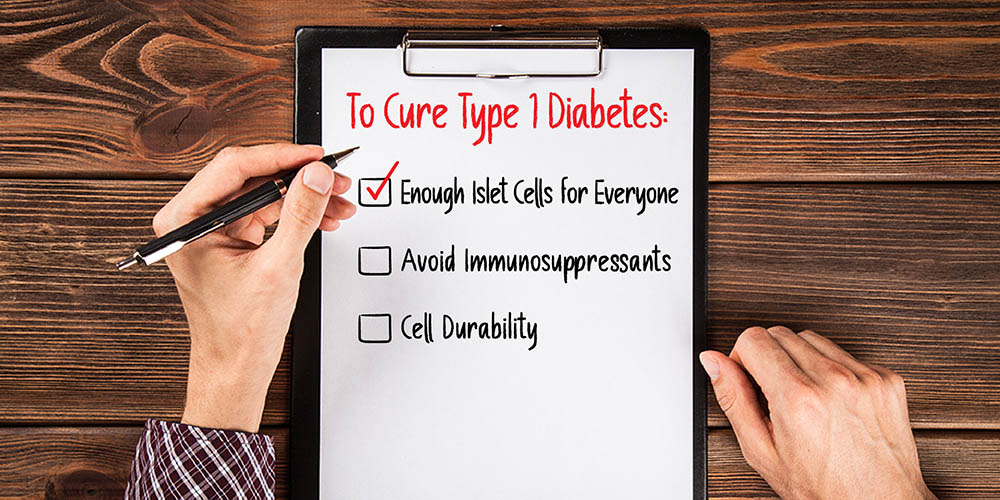
We classify this development as a significant Momentum Shift. While challenges regarding the supply of human islet cells remain, the methodology itself is sound and utilizes currently available medical catalysts. This research provides the structural blueprint needed to move from maintenance-based treatment to curative intervention. Precision medicine is no longer a distant prospect; it is our current trajectory.