

The federal government has executed a calibrated increase in the Pakistan petrol tax structure, pushing the tax component to Rs. 117.41 per liter. This strategic adjustment represents a 50 percent surge compared to May 2025 baselines, signaling a shift in fiscal priorities. Consequently, while global crude benchmarks remain relatively stable, domestic consumers face a precision-targeted revenue collection drive. The state now utilizes fuel levies as a primary mechanism to secure national liquidity during a period of structural transition.
Decoding the Petroleum Levy Surge
Under the Petroleum Division’s latest directive, the petroleum levy climbed by Rs. 13.91 for petrol, while high-speed diesel saw similar upward pressure. Specifically, petrol now retails at Rs. 414.78 per liter, despite the international ex-tax price lingering near Rs. 268 per liter. This widening gap confirms that the domestic price hike is a structural fiscal tool rather than a reflection of global energy volatility. Furthermore, the decision was implemented shortly after the International Monetary Fund approved a crucial $1.3 billion loan facility.
The Translation: Understanding the Pakistan Petrol Tax Logic
Essentially, the government is decoupling domestic fuel prices from international market trends to meet immediate budgetary requirements. By increasing the Pakistan petrol tax independently of global shifts, the state aims to offset a massive Rs. 600 billion revenue shortfall faced by the Federal Board of Revenue. This move functions as a catalyst for meeting stringent IMF-linked targets. It transforms the fuel pump into a high-efficiency collection point for the national treasury.
The Socio-Economic Impact
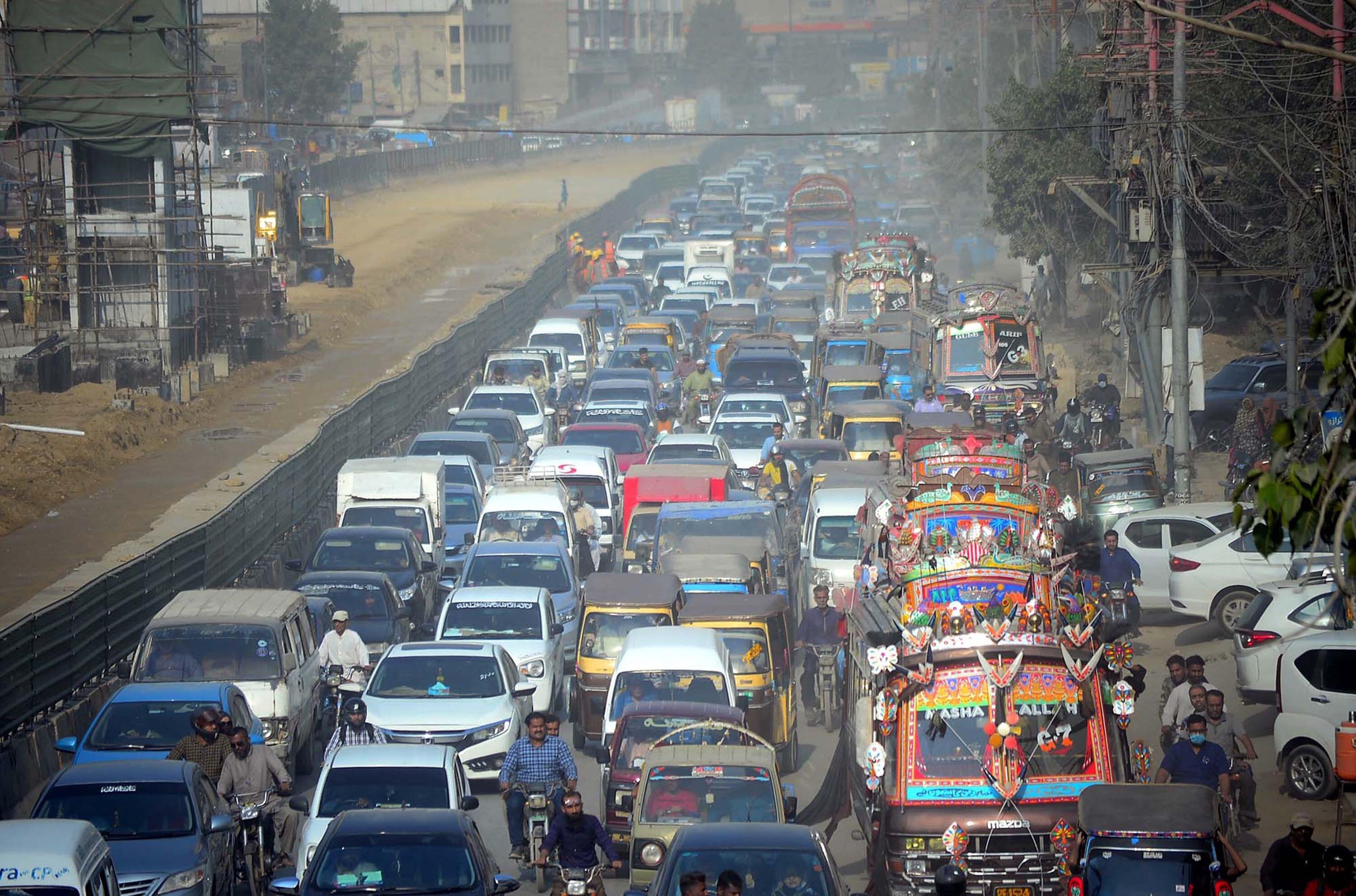
The escalation of fuel costs creates a precision-based ripple effect across the entire national supply chain. For the average Pakistani household, this translates into higher transportation tariffs and inflated food prices. Since fuel serves as a baseline input for the economy, students and professionals will witness a secondary surge in daily operational costs. Moreover, these increases coincide with rising electricity tariffs, placing a compound burden on the disposable income of urban and rural citizens alike.
The Forward Path: An Expert Assessment
This development represents a Stabilization Move rather than a growth-oriented momentum shift. While the hike ensures fiscal compliance with international lenders and prevents a default scenario, it relies heavily on a regressive taxation model. To achieve true systemic efficiency, Pakistan must pivot toward energy diversification and electric mobility. Reducing this recurring reliance on petroleum levies is the only way to shield the domestic economy from future fiscal shocks.








