

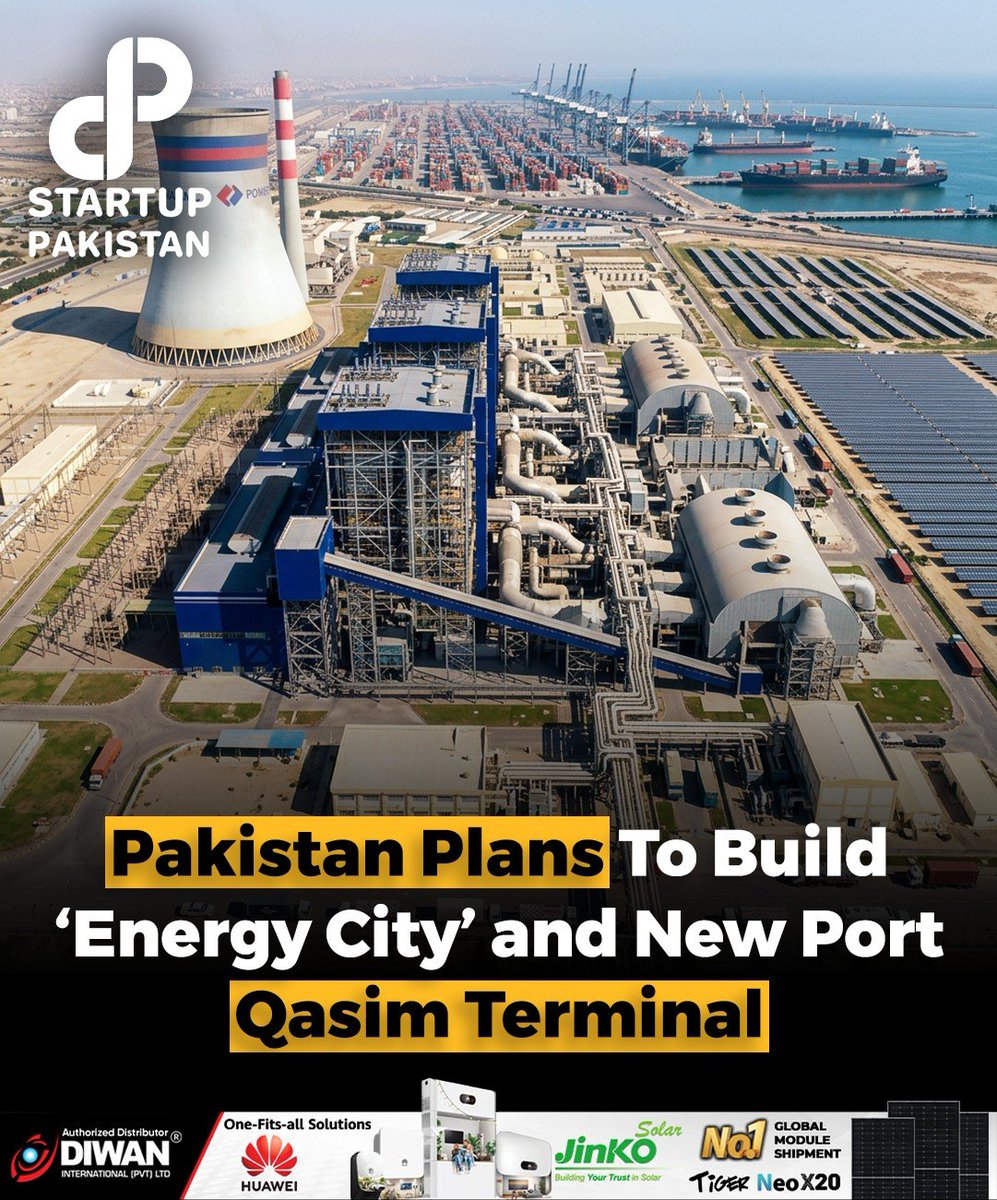
The establishment of Energy City Pakistan represents a calibrated effort to scale the nation’s maritime infrastructure and modernize the blue economy. Maritime Affairs Minister Junaid Anwar Chaudhry recently unveiled this strategic blueprint, which includes a multipurpose terminal at Port Qasim. Consequently, these developments aim to capitalize on Pakistan’s record-breaking Rs. 100 billion maritime profit achieved in 2025.
The Strategic Blueprint for Energy City Pakistan
The proposed Energy City Pakistan will integrate sophisticated bonded storage facilities designed to house diverse energy products. Currently, authorities are evaluating multiple high-potential locations to ensure maximum logistical efficiency. Minister Chaudhry has urged terminal operators to form strategic consortiums, inviting precision-driven investment into both the city and the Port Qasim terminal.
Structural reforms have already significantly improved port efficiency and reduced operational congestion. Furthermore, the shift of cargo traffic from Gulf transshipment hubs has catalyzed Pakistan’s port activity. This shift stems primarily from regional security tensions and disruptions linked to the US-Iran conflict, allowing Pakistan to capture a larger market share.
Modernizing Port Operations and Efficiency
The government is accelerating efforts to transform Pakistan into a regional logistics hub. Recently, authorities cleared decades-old containers and pallets from Karachi Port Trust premises, directly improving operational flow. Consequently, terminal operators are now seeking industrial status for port services, mirroring the telecommunications sector’s fiscal framework.
- Bonded Storage: Specialized facilities for energy product staging.
- Consortium Investment: Joint ventures to fund maritime infrastructure.
- Taxation Reform: Simplification of systems to facilitate trade-related activities.
The Situation Room Analysis
The Translation (Clear Context)
In technical terms, “Energy City” serves as a dedicated special economic zone for fuel and energy logistics. By creating bonded storage, Pakistan allows companies to store goods without immediate tax payments, making the country a more attractive transit point. The shift from Gulf hubs to Pakistani ports indicates that global shipping lines now view Pakistan as a stable alternative for transshipment during Middle Eastern volatility.
The Socio-Economic Impact
This development directly impacts the Pakistani citizen by stabilizing the energy supply chain and creating high-value STEM and logistics jobs. For households, improved port efficiency typically leads to lower landed costs for imported commodities. Additionally, the Rs. 100 billion profit provides the state with essential fiscal space to reinvest in national infrastructure without increasing the debt burden.
The Forward Path (Opinion)
This initiative represents a significant Momentum Shift. Moving beyond basic port management toward a specialized “Energy City” model shows a strategic transition from passive infrastructure to active value-added services. If the government successfully grants industrial status to port services, we expect a baseline increase in foreign direct investment (FDI) within the next 24 months.








