

The State Bank of Pakistan’s (SBP) Financial Stability Review 2025 highlights a calibrated shift in the nation’s fiscal architecture. Specifically, the Islamic banking share has surged to a historic 23% of total assets. This data signals a strategic preference for Shariah-compliant frameworks over conventional models as the sector achieves its largest-ever expansion in branch networks.
Structural Drivers Behind the Islamic Banking Share Expansion
Islamic Banking Institutions (IBIs) demonstrated exceptional resilience and precision during the 2025 fiscal year. Consequently, assets within the sector grew by a staggering 30.7%. This trajectory allowed Islamic banks to outperform conventional counterparts for the second consecutive year. Furthermore, the industry successfully lowered its risk profile. The non-performing financing (NPF) ratio dropped to 2.4%, down from 3.5% the previous year. This improvement indicates a high baseline for credit quality and structural efficiency.
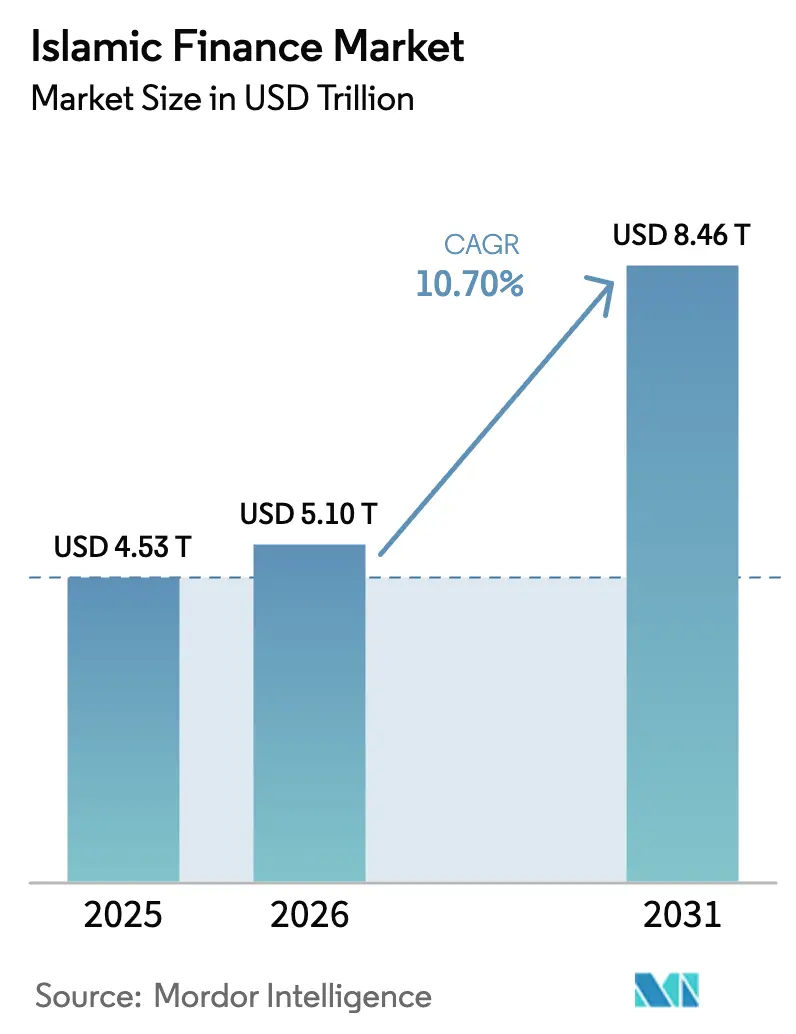
Strong capital buffers and improved risk management protocols have catalyzed this growth. Therefore, the SBP maintains a positive outlook on the sector’s long-term momentum. These institutions are no longer peripheral players; they are now central pillars of Pakistan’s financial stability.
The Translation (Clear Context)
In the “Next Gen” landscape, the rise in the Islamic banking share represents more than just religious preference. It reflects a shift toward “Asset-Backed” financing. Unlike conventional banking, which focuses on interest-based lending, Islamic banking requires tangible assets to back financial transactions. The reduction in the NPF ratio means that people and businesses are defaulting on their payments significantly less often. This creates a safer, more predictable environment for everyone’s savings.
The Socio-Economic Impact
How does this structural evolution affect the daily life of a Pakistani citizen? Strategically, it provides three distinct advantages:
- Enhanced Financial Inclusion: Increased branch networks mean urban and rural households gain better access to ethical capital.
- Systemic Stability: Lower credit risks mean the banking system is less likely to face a liquidity crisis, protecting personal deposits.
- Calibrated Growth: Students and young professionals can access Shariah-compliant financing for startups and education with greater transparency.
The Forward Path (Opinion)
This development represents a Momentum Shift for Pakistan. The data confirms that Islamic finance is no longer a niche alternative but a primary driver of systemic efficiency. To sustain this trajectory, we must now focus on digital integration and fintech precision within these Shariah-compliant frameworks. Pakistan is effectively building a financial baseline that prioritizes ethical resilience over speculative volatility.








