
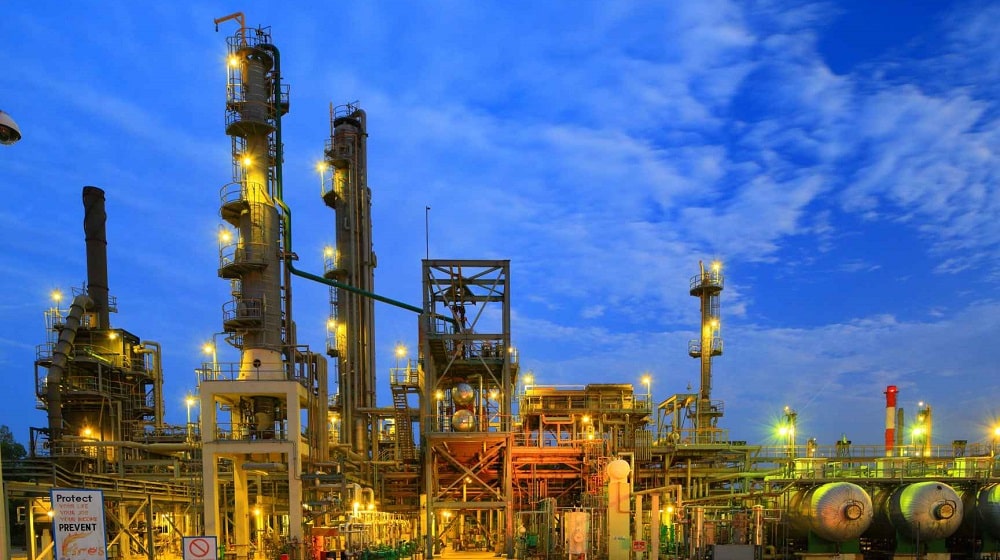
Attock Refinery production has officially resumed at its primary crude distillation unit, marking a strategic return to operational baseline for Pakistan’s energy infrastructure. After a calculated two-week suspension, the facility’s main distillation unit is now processing 32,400 barrels per day. This reactivation eliminates the logistical bottlenecks that previously threatened the northern energy corridor and ensures the calibrated flow of refined products to the market.
Restoring Attock Refinery Production: A Strategic Overview
The refinery management initiated the shutdown on April 22nd due to an abrupt suspension of oil tanker movement. Specifically, strict security protocols and road closures in Islamabad, linked to high-level diplomatic engagements, halted both inbound crude receipts and outbound fuel dispatches. Consequently, the refinery faced a sharp decline in fresh crude supply while petrol and diesel stocks accumulated within the facility.
Furthermore, the normalization of crude oil receipts through logistical channels has allowed the primary unit to reach its full capacity. Attock Refinery Limited submitted a formal notice to the Pakistan Stock Exchange, confirming that operations have stabilized. This development acts as a catalyst for easing the distribution pressure that had recently weighed on the northern fuel grid.
The Situation Room Analysis
The Translation: Systems Logic
In technical terms, a refinery functions as the central node of a downstream energy network. When the “inflow” (crude oil) and “outflow” (fuel distribution) are blocked by external variables like security cordons, the system reaches a structural limit. The shutdown was not a mechanical failure but a strategic pause to manage inventory levels when the logistical “pipes” were temporarily capped.
The Socio-Economic Impact
For the average Pakistani citizen, this resumption safeguards daily mobility and industrial productivity. Stable Attock Refinery production ensures that petrol pumps in the northern region maintain consistent stock levels. Consequently, students, professionals, and transport operators avoid the price volatility and scarcity that typically follow prolonged energy disruptions. This stabilization preserves the economic equilibrium of the household budget.
The Forward Path: Expert Opinion
This development represents a Stabilization Move (Maintenance). While the restart is essential for regional functionality, the incident highlights a vulnerability in our energy supply chain: its high sensitivity to physical road security. To achieve a true “Momentum Shift,” Pakistan must prioritize the structural integration of pipelines and diversified transport corridors to insulate core energy production from temporary surface-level disruptions.








