Altern Energy Limited (AEL) recently finalized a strategic exit by terminating its Power Purchase Agreement (PPA) with the Government of Pakistan and the Central Power Purchasing Agency (CPPA). This structural recalibration follows years of calibrated financial losses resulting from zero dispatch demand. Consequently, the company has formally notified the Pakistan Stock Exchange regarding the dissolution of its sovereign guarantees and implementation frameworks.
Structural Recalibration: The End of the Power Purchase Agreement
The company initiated this termination request last year to mitigate the baseline impact of stagnant operations. For several years, the off-taker failed to utilize energy from AEL, leading to a precision-driven decision to cease the Power Purchase Agreement. Furthermore, the company successfully negotiated a termination agreement with Sui Northern Gas Pipelines Limited (SNGPL). This move effectively cancels its long-term gas supply commitments and streamlines its corporate obligations.
:max_bytes(150000):strip_icc()/GettyImages-2174080781-508c0aae85a94ae6a7c4f9c303eae4f1.jpg)
Altern Energy, which serves as the parent entity for Rousch Pakistan Power Limited, operates a specialized gas-fired plant. By dissolving these contracts, the firm aims to pivot away from a non-productive operational framework. This decision reflects a broader trend in Pakistan’s energy sector where legacy agreements undergo rigorous scrutiny to improve national system efficiency.
The Translation: Decoding Financial Off-takes
In technical terms, “zero dispatch demand” means the government was paying for the availability of the plant without actually using its electricity. This created a catalyst for debt, as the state remained bound by the Power Purchase Agreement despite the plant sitting idle. By terminating these deals, AEL is effectively removing itself from a cycle of non-productive capacity payments that have historically burdened the national grid’s financial baseline.

The Socio-Economic Impact: From Capacity Payments to Consumer Relief
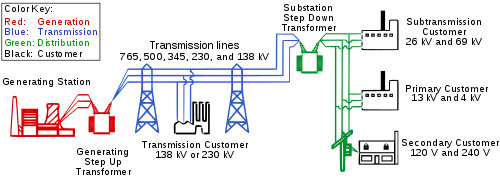
How does this development change the daily life of a Pakistani citizen? The primary impact is the potential reduction in the “capacity payment” burden, which often inflates electricity bills for households and professionals. Specifically:
- Fiscal Relief: Reducing government liabilities to idle power plants can eventually lead to stabilized electricity tariffs.
- System Efficiency: Resources can now be diverted toward more efficient, modern energy catalysts.
- Market Confidence: A cleaner balance sheet for the energy sector encourages transparent investments in the long term.
The Forward Path: A Momentum Shift in Energy Governance
This development represents a Momentum Shift for Pakistan’s energy landscape. For years, the sector has been stagnant due to rigid, outdated contracts that favored availability over actual output. AEL’s exit from the Power Purchase Agreement is a precision move that signals a transition toward a more demand-driven market. While it marks the end of a specific project’s lifecycle, it serves as a strategic baseline for future energy sector reforms that prioritize operational logic over sovereign guarantees.