
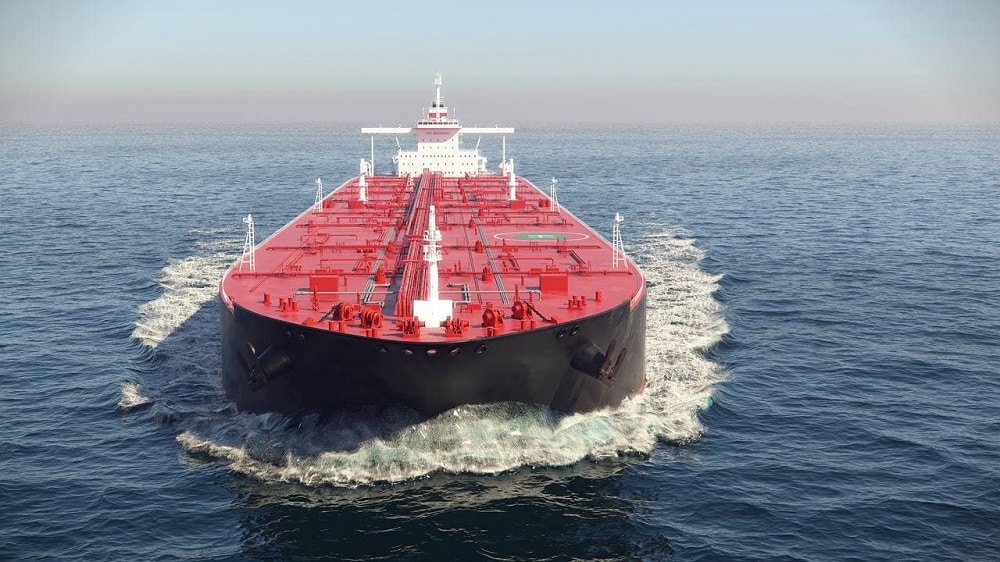
The arrival of a Pakistani diesel shipment carrying 80 million liters at Karachi Port Trust marks a strategic win for national energy security. This successful transit through the Strait of Hormuz demonstrates Pakistan’s ability to navigate complex geopolitical landscapes to maintain its industrial baseline. Consequently, by securing this massive volume, the state effectively calibrates its fuel reserves against ongoing global market volatility and supply chain disruptions.
Securing the Pakistani Diesel Shipment Amid Global Tensions
The PNSC tanker Khairpur successfully completed its journey from Kuwait, traversing one of the world’s most sensitive maritime corridors. Strategically, the vessel obtained special clearance to cross the Strait of Hormuz despite intensified regional friction. Furthermore, this passage occurred during a period where naval blockades and security restrictions have significantly reduced commercial traffic in the Gulf region.
Currently, the Strait of Hormuz faces dual pressure from regional enforcement and international naval blockades. Consequently, many vessels face delays or forced rerouting. However, the precision of this Pakistani operation ensured that critical energy supplies reached Karachi Port without compromise, reinforcing the resilience of the national energy infrastructure.
The Translation
In technical terms, the Strait of Hormuz acts as a global energy valve; when tensions rise, the “security premium” on shipping increases costs and risks. The successful clearance of this Pakistani diesel shipment implies a functional diplomatic and logistical protocol between Pakistan and regional stakeholders. Therefore, this maneuver bypasses the volatility of the spot market by ensuring direct delivery through contested waters, shielding the economy from sudden energy deficits.
The Socio-Economic Impact
Energy stability directly influences the daily cost of living for every Pakistani citizen. A steady fuel supply ensures that transport costs for essential goods remain predictable for households and small businesses. Additionally, this shipment acts as a catalyst for industrial productivity, providing the necessary diesel to power logistics networks and agricultural machinery. For the average professional, this translates to stabilized fuel prices at the pump and reduced inflationary pressure on food and services.
The Forward Path
This development represents a Momentum Shift for Pakistan’s energy procurement strategy. While the successful arrival of 80 million liters is a tactical victory, it highlights the need for a structural shift toward diversified energy corridors. To maintain this progress, Pakistan must continue to strengthen its maritime diplomatic assets while investing in expanded domestic storage capacity. Precision in logistics today ensures the economic sovereignty of the nation tomorrow.








