
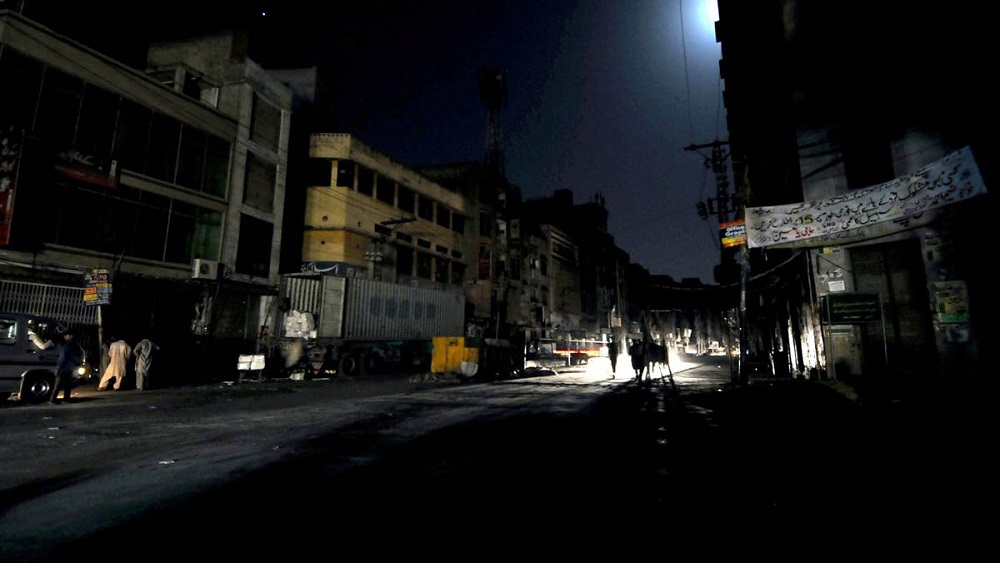
Pakistan achieved a critical energy milestone on April 29 by eliminating load management during peak night hours. This achievement stemmed from an increased hydropower electricity supply and strategic local gas injections. These variables collectively stabilized the national grid, allowing for consistent power output during high-demand periods.
According to official data from the Power Division, hydropower generation surged to 6,000 megawatts. This output represents over 50% of the country’s total installed hydel capacity of 11,500 megawatts. Furthermore, the integration of additional power plants fueled by local gas provided the necessary baseline for structural grid stability.
Scaling Hydropower Electricity Supply for Grid Resilience
The system’s efficiency improved significantly as the Power Division optimized the southern regional grid. Consequently, engineers successfully added another 100 megawatts to the national system. The southern corridors effectively transmitted 500 megawatts to help balance the load across northern industrial hubs.

However, global supply chain constraints continue to challenge the energy sector. Approximately 4,700 megawatts of capacity remain offline due to international LNG shortages. The Power Division clarified that while peak-hour management has improved, “economic load management” persists on high-loss feeders to ensure financial sustainability.
The Translation: Breaking Down System Efficiency
In simple terms, the government is shifting away from expensive imported fuels toward cheaper, domestic energy sources like water and local gas. By hitting the 6,000 MW mark in hydropower, the system reduces its reliance on volatile global markets. The “economic load management” mentioned by officials is not a power shortage but a targeted strategy to limit supply in areas where electricity theft or non-payment is high.
The Socio-Economic Impact
For the average Pakistani citizen, zero load-shedding during peak hours means uninterrupted productivity for businesses and comfort for families during the night. This stability acts as a catalyst for local economies, particularly for small-scale entrepreneurs who rely on nighttime operations. Improved hydropower electricity supply directly lowers the weighted average cost of generation, which may eventually lead to more predictable utility billing for households.
The Forward Path: A Stabilization Move
This development represents a Stabilization Move rather than a complete momentum shift. While the surge in hydel and local gas generation is a precision win for the grid, the 4,700 MW LNG-linked deficit remains a structural vulnerability. National advancement requires a permanent transition toward renewable baselines to fully insulate Pakistan from global energy shocks. We expect nighttime shortfalls to dissipate further as water releases increase and LNG supplies normalize.








