The Trump administration has calibrated a structural shift in US visa rules, introducing rigorous screening protocols for all non-immigrant applicants. This strategic update mandates that individuals confirm during their interviews that they maintain no fear of returning to their home countries. Specifically, the government designed these precision questions to filter out potential asylum seekers before they arrive on American soil. Consequently, the baseline for entry has become significantly more stringent for students, tourists, and professionals alike.
The New Architectural Screening Framework
Under the updated policy, the interview process now integrates two high-stakes questions. First, officials ask if the applicant has experienced harm or mistreatment in their home nation. Second, they inquire whether the individual fears such harm upon their return. Failure to provide definitive answers or an admission of fear may result in an immediate visa rejection. This directive applies across all categories, including seasonal labor permits and business travel, impacting a system that issued approximately 11 million visas in 2024.

Furthermore, immigration experts argue that these US visa rules could inadvertently block genuine victims of religious discrimination or political threats. While the administration views this as a catalyst for system efficiency, critics contend it undermines long-standing international refugee protections. Since a person’s right to seek asylum traditionally does not depend on visa interview statements, this policy creates a legal paradox that will likely face judicial scrutiny.
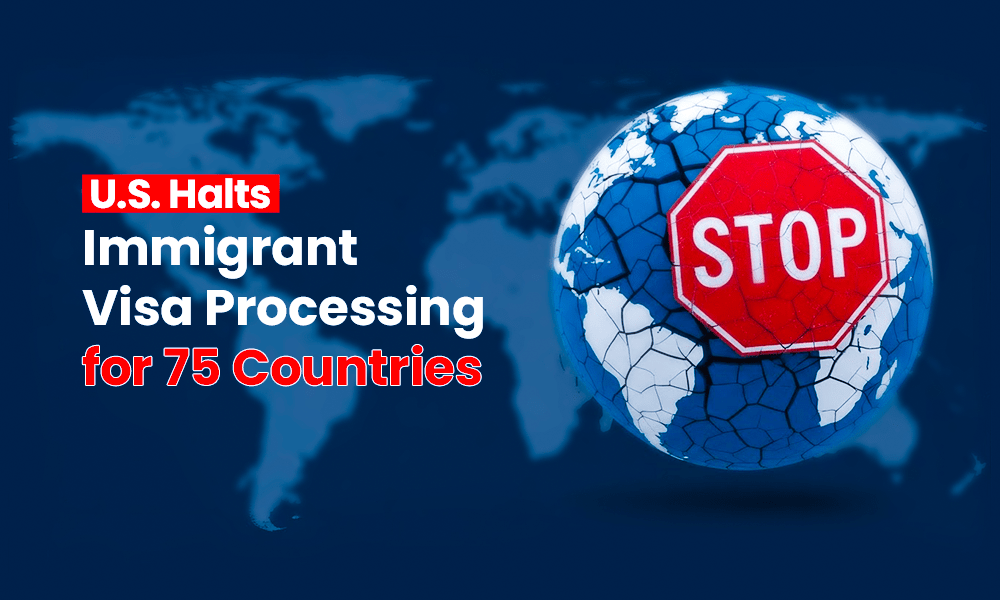
The Situation Room Analysis
The Translation (Clear Context)
In technical terms, the administration is shifting from a “post-entry” asylum model to a “pre-entry” screening model. By forcing applicants to declare a lack of fear on record, the government creates a baseline for immediate deportation or denial if that individual later tries to claim asylum. This logic aims to eliminate the “entry-then-claim” loophole that has historically stressed the US immigration court system.
The Socio-Economic Impact
For the Pakistani citizen, this development adds a layer of complexity to global mobility. Students and professionals must now navigate a “precision-speech” environment during interviews. Any hesitation regarding domestic conditions back home could result in a permanent black mark on their travel history. This move likely increases the “rejection risk” for applicants coming from regions experiencing any form of localized instability, potentially slowing down academic and commercial exchange.
The Forward Path (Opinion)
This development represents a Stabilization Move focused on border integrity rather than a momentum shift for immigration. While it increases operational control for the US government, it risks creating a “zero-tolerance” atmosphere that could alienate high-value global talent. The strategic intent is clear: prioritize system security over humanitarian flexibility.