
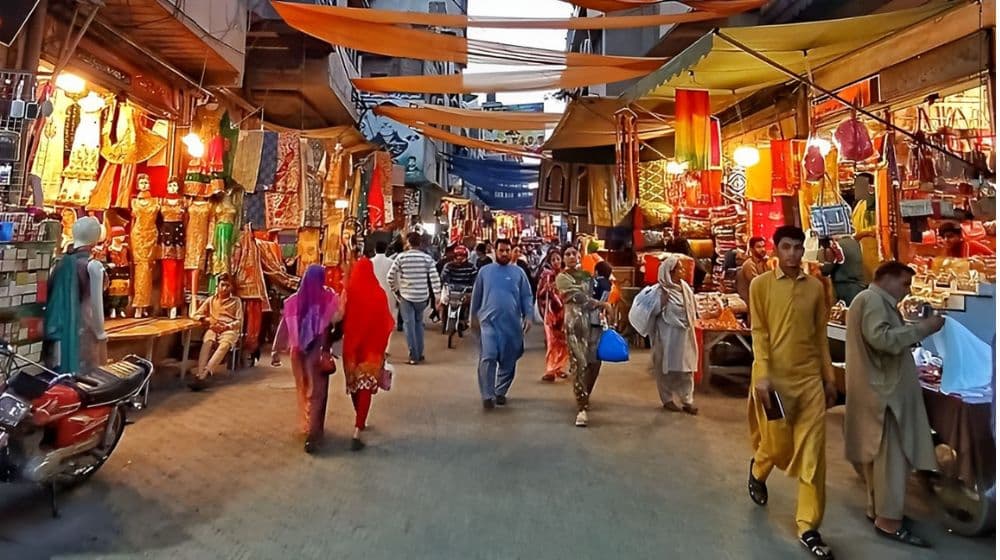
Pakistan’s formal retail sector is facing a strategic crisis as early market closures drain approximately Rs 100 billion from the recorded economy every week. Consequently, the government’s mandate to shut markets by 8:00 PM has triggered a 30% decline in sales across 35,000 documented outlets. This structural contraction is not merely a loss of revenue; it is an active catalyst for mass layoffs within the second-shift workforce.
The Economic Imbalance: Translating the Data
The “Translation”: While the policy intended to stabilize the power grid, the data reveals a critical misalignment with consumer behavior. Formal retailers operate within a calibrated system of Point of Sale (POS) integration, ensuring tax compliance. However, forced shutdowns have simply shifted high-density footfall from documented chains to the informal, undocumented economy. Furthermore, since restaurants and entertainment venues remain open, the net energy savings are statistically negligible compared to the massive loss in General Sales Tax (GST).
The Human Cost: Socio-Economic Impact
This policy change directly destabilizes the daily lives of thousands of Pakistani households. Specifically, the second-shift retail staff—often students or part-time earners—are facing immediate termination as operating hours shrink. For the average citizen, the reduction in formal market hours limits access to regulated pricing and quality-controlled goods. As purchasing power weakens due to 10.2% projected inflation, consumers are forced toward lower-quality informal markets, eroding the baseline of consumer safety and economic dignity.
The Forward Path: Architectural Recalibration
The “Forward Path”: This development represents a “Stabilization Move” that has failed to account for modern economic variables. To regain momentum, Pakistan must adopt a more precision-weighted approach. Industry leaders propose extending hours to 10:00 PM to align with regional retail trends and consumer habits. Additionally, the implementation of Daylight Saving Time could serve as a strategic catalyst, potentially saving $500 million annually in energy costs without cannibalizing the formal retail sector. We must prioritize systemic efficiency over restrictive mandates to ensure national advancement.








